

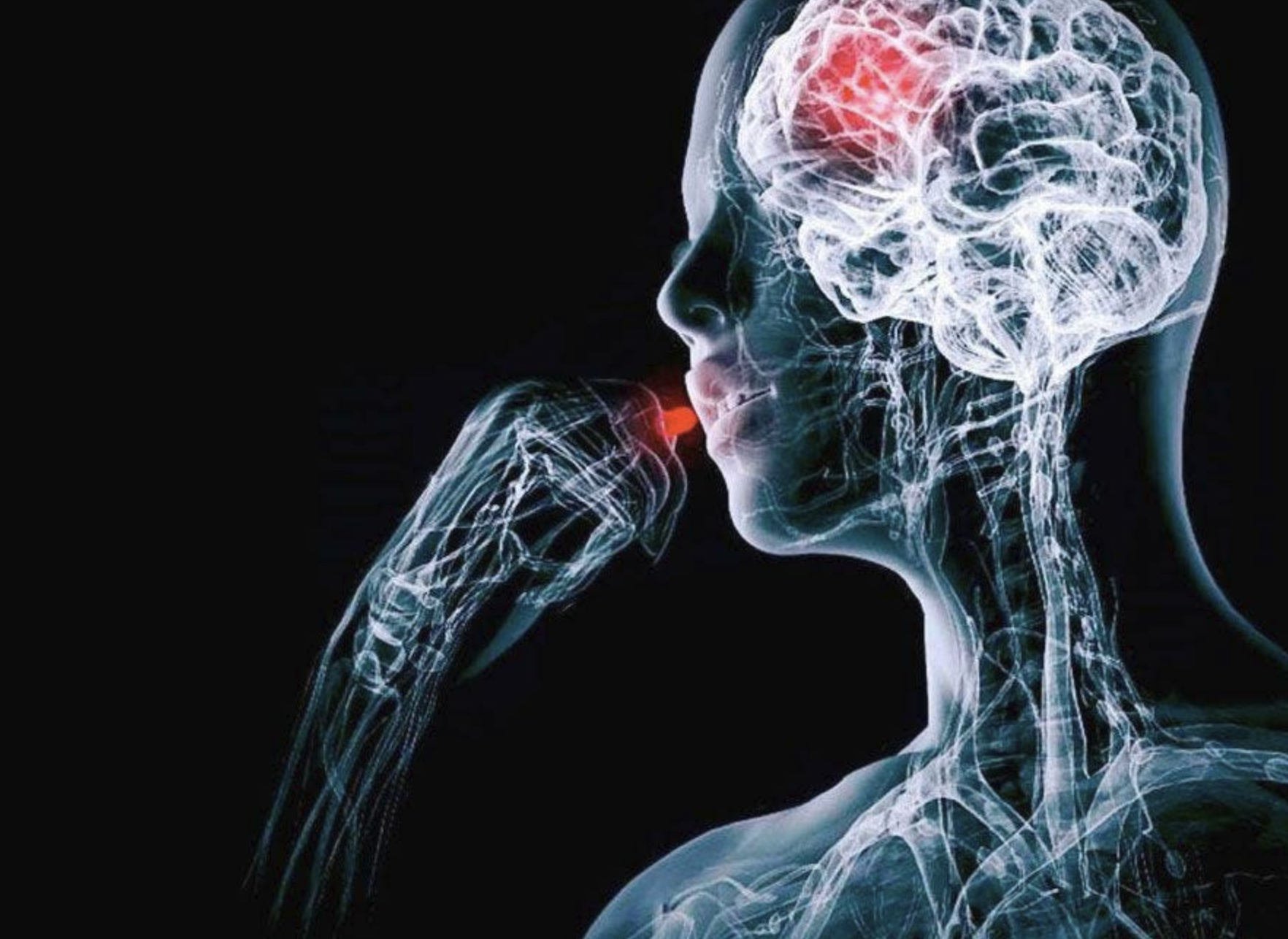
The human brain has a remarkable influence on how people experience symptoms such as pain, fatigue, nausea, and discomfort. One of the most interesting examples of this connection is the placebo effect.
A person may sometimes experience an improvement after receiving a treatment that does not contain an active ingredient capable of producing that improvement directly. Their expectations, previous experiences, interactions with healthcare professionals, and other factors can influence how they perceive their symptoms.
However, the placebo effect does not mean that an illness is imaginary or that a person can simply think themselves healthy. It is a complex phenomenon involving the brain, nervous system, expectations, learning, and the way symptoms are experienced.
So, what is the placebo effect, and how does it work? Let’s take a closer look.
What Is the Placebo Effect?
The placebo effect refers to beneficial changes in a person’s symptoms or experience that can occur because they expect a treatment to help, even when the treatment itself does not contain an active therapeutic ingredient responsible for the improvement.
A placebo might be a pill, liquid, procedure, or other intervention designed to resemble a real treatment while lacking its active component.
For example, in a clinical study, researchers might give one group an active medication and another group an inactive substance designed to look like the medication. Participants generally do not know which one they received.
If some people in the placebo group report that their symptoms have improved, researchers may describe this as part of a placebo response.
The important point is that the placebo effect primarily involves changes in how a person experiences or responds to symptoms. It does not mean that an inactive treatment can cure every underlying disease.
How Does the Placebo Effect Work?
The placebo effect does not have one simple mechanism. Several processes can contribute to it.
Expectations
Expectations can play an important role.
When people believe a treatment will help them, their brains may process certain symptoms differently. For example, someone expecting a treatment to reduce pain may perceive that pain differently after receiving it.
The expectation itself does not necessarily eliminate the underlying cause of the symptom. Instead, it can influence the person’s experience of that symptom.
Conditioning and Previous Experiences
Past experiences can also affect how people respond to treatments.
If someone has previously taken medication and experienced relief, their brain can learn to associate certain cues, such as taking a pill or visiting a clinic, with feeling better.
Later, similar circumstances may influence their response even when the active ingredient is absent.
This process is related to conditioning, a form of learning in which the brain associates one event with another.
The Brain and Nervous System
The brain constantly interprets information from the body.
Expectations and learned associations can influence this processing. In some circumstances, placebo responses have been associated with changes in brain activity and the release or regulation of naturally occurring chemicals involved in processes such as pain and reward.
This is one reason researchers view the placebo effect as a biological and psychological phenomenon rather than simply “imagining” an improvement.
Does the Placebo Effect Actually Work?
While placebo effects are genuine, it’s important to grasp their significance and proper context.
Research has found that people can experience changes in symptoms after receiving placebos, particularly with subjective symptoms such as pain, nausea, fatigue, anxiety, and other forms of discomfort.
However, the size and reliability of the response vary considerably.
A person may report feeling better for several reasons that are not necessarily caused by the placebo itself. Symptoms naturally fluctuate, people may recover with time, and simply being observed or receiving attention can influence how someone feels.
This is why researchers use carefully designed clinical trials to separate the effects of a treatment from other influences.
Placebo Effect vs. Placebo Response
The terms placebo effect and placebo response are sometimes used interchangeably, but there is an important distinction.
A placebo response refers broadly to changes that occur after someone receives a placebo.
A placebo effect is more specifically concerned with changes attributable to the psychological and contextual effects associated with receiving the treatment.
For example, imagine someone has a headache and participates in a study.
The headache might improve naturally over time. That improvement is not necessarily a placebo effect.
If the person’s expectations and treatment-related context contribute to how their pain changes, that can be part of the placebo effect.
Researchers therefore need appropriate control groups to determine what is actually causing an observed improvement.
Why Do Researchers Use Placebos in Clinical Trials?
Placebos are particularly important in medical research.
Suppose researchers are testing a new medication. If participants know they are receiving the new drug, their expectations could influence how they report their symptoms.
To reduce this problem, researchers may randomly assign participants to different groups.
One group receives the experimental treatment, while another receives a placebo that looks similar but lacks the active treatment component.
In a well-designed randomized controlled trial, participants and sometimes researchers are kept unaware of who received which intervention.
If the treatment group improves more than the placebo group by a meaningful amount, researchers have stronger evidence that the treatment itself contributed to the outcome.
This helps distinguish the actual effect of a treatment from expectations and other factors.
What Is the Nocebo Effect?
The placebo effect has a counterpart known as the nocebo effect.
A nocebo effect occurs when negative expectations or treatment-related beliefs contribute to unpleasant symptoms or a worse experience.
For example, if someone strongly expects a treatment to cause a particular side effect, that expectation may influence how they perceive certain sensations.
The nocebo effect demonstrates that expectations can work in both directions.
Positive expectations may sometimes contribute to better symptom experiences, while negative expectations can contribute to worse ones.
This does not mean that side effects are imaginary. A person’s symptoms can be genuine even when expectations play a role in how those symptoms develop or are perceived.
Can Placebos Help With Pain?
Pain is one of the areas where placebo effects have been studied extensively.
Pain is not simply a signal traveling from an injured body part to the brain. The brain actively processes and interprets pain signals.
Expectations, attention, emotions, previous experiences, and context can all influence pain perception.
As a result, placebo-related processes can sometimes reduce how strongly a person experiences pain.
However, this should not be interpreted as evidence that someone with a serious medical condition should replace appropriate treatment with a placebo.
Placebo effects are not a substitute for necessary medical care.
Does the Placebo Effect Mean Symptoms Are “All in Your Head”?
No.
This is one of the most common misunderstandings about the placebo effect.
Pain, nausea, fatigue, and other symptoms can be real even when psychological or contextual factors influence them.
The brain is not separate from the body. It constantly receives information from the body and helps regulate perception, movement, emotions, attention, and many other processes.
If expectations influence the way the brain processes a symptom, the resulting experience can still be genuine.
Saying that something involves the brain does not mean that it is fake.
Factors That Can Influence the Placebo Effect
The strength of a placebo response can vary from person to person.
Several factors may influence it, including:
- Expectations about treatment
- Previous experiences with healthcare
- Trust in the healthcare professional
- How a treatment is presented
- The treatment setting
- Personal beliefs
- The severity and type of symptoms
- Social and cultural influences
- Previous conditioning and learning
Even details such as the appearance of a treatment or the way a healthcare professional communicates can contribute to expectations and context.
Researchers continue to investigate exactly how these factors interact.
Can Doctors Use the Placebo Effect Ethically?
The ethical use of placebo effects is an important subject in healthcare.
Healthcare professionals have responsibilities to provide appropriate information and effective treatment. Deliberately deceiving a patient about what they are receiving can create ethical concerns and potentially damage trust.
At the same time, positive communication, empathy, reassurance, and a supportive healthcare environment can influence treatment experiences without requiring deception.
In other words, healthcare professionals do not necessarily need to deceive patients to create beneficial treatment expectations.
Understanding the placebo effect can instead help researchers and healthcare providers recognize how communication and treatment context influence patient experiences.
Common Myths About the Placebo Effect
There are several misconceptions surrounding placebos.
Myth 1: Placebos Can Cure Any Disease
There is no evidence that simply believing in an inactive treatment can cure every illness.
Placebo effects are generally more relevant to symptoms and subjective experiences than to eliminating an underlying disease.
Myth 2: Placebo Effects Are Fake
A placebo response can involve genuine changes in how a person experiences symptoms.
Calling it “fake” overlooks the complex relationship between expectations, brain activity, physiology, and perception.
Myth 3: Placebos Only Work on People Who Are Easily Fooled
Placebo responses are not simply a sign that someone is gullible.
Expectations and learned associations are normal functions of the human brain. They can influence experiences in many areas of everyday life.
Myth 4: Placebos Make Real Medicine Unnecessary
They do not.
Placebo research helps scientists understand treatment responses, but it does not mean proven medical treatments should be replaced with inactive ones.
Conclusion
The placebo effect is a fascinating example of how expectations, learning, context, and the brain can influence the way people experience symptoms.
It does not mean that illness is imaginary or that positive thinking can replace medical treatment. Instead, it shows that the experience of symptoms is influenced by more than physical processes alone.
Placebo research also plays an important role in clinical trials. By comparing active treatments with placebos, researchers can better determine whether a treatment provides benefits beyond those associated with expectations and other contextual factors.
Ultimately, the placebo effect highlights a fundamental point about human health: the mind and body constantly interact, and understanding that relationship can help researchers better understand how treatments work and how people experience them.
Frequently Asked Questions
1. What is the placebo effect in simple terms?
The placebo effect is a change in symptoms or how a person feels that can partly result from expectations, treatment context, and learned associations rather than from an active ingredient in a treatment.
2. Is the placebo effect scientifically proven?
Yes. Placebo responses have been studied extensively, particularly in areas such as pain and other subjective symptoms. Researchers continue to investigate the biological and psychological mechanisms behind them.
3. What is an example of the placebo effect?
A common research example is a participant reporting reduced pain after receiving an inactive pill that they believe is a pain treatment. The change may involve expectations and other treatment-related factors.
4. What is the difference between placebo and nocebo?
A placebo effect generally involves beneficial changes associated with positive expectations or treatment context. A nocebo effect involves unpleasant symptoms or worse experiences associated with negative expectations or treatment context.
5. Can the placebo effect make you feel better?
It can influence how certain symptoms are experienced, particularly symptoms such as pain and discomfort. However, it should not be viewed as a replacement for appropriate treatment of an underlying medical condition.
6. Does the placebo effect mean a person’s symptoms are imaginary?
No. Symptoms can be completely real even when expectations and psychological processes influence how they are experienced. The brain and body continuously interact, so psychological factors can have genuine effects on perception and physiology.