

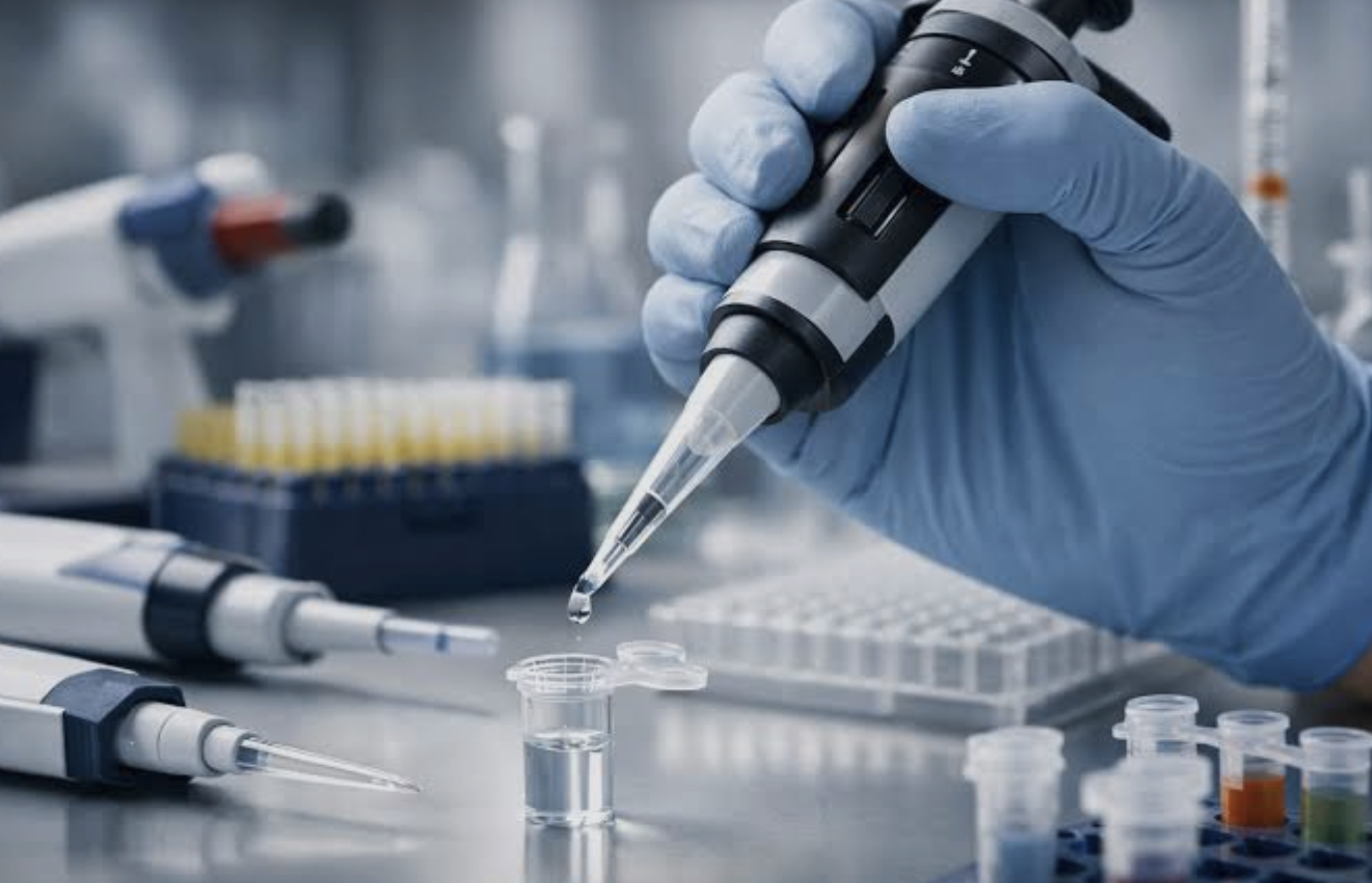
Precision is one of the most important principles in laboratory science. Whether scientists are conducting medical research, preparing chemical solutions, or performing diagnostic tests, accurate measurements are essential for reliable results. Among the many tools used in laboratories, the pipette remains one of the most valuable instruments for handling liquids safely and precisely.
A pipette is specifically designed to transfer measured amounts of liquid from one container to another. Although it may appear simple at first glance, pipettes play a critical role in scientific discoveries, pharmaceutical development, biotechnology research, and educational laboratory experiments.
From school science laboratories to advanced medical research facilities, pipettes are used every day to ensure consistency and accuracy. Their applications extend across chemistry, biology, medicine, environmental science, and numerous industrial sectors.
This guide explains what a pipette is used for, explores its different types, discusses its laboratory applications, and highlights best practices for accurate pipetting.
What is a Pipette?
A pipette is a laboratory instrument designed to measure, transfer, and dispense precise volumes of liquids. Scientists and laboratory professionals use pipettes whenever experiments require exact liquid measurements.
Unlike ordinary droppers or measuring cylinders, pipettes provide significantly greater accuracy. Modern laboratories frequently depend on pipettes for tasks that involve handling extremely small quantities of liquids, sometimes measuring volumes as small as a few microlitres.
Pipettes are commonly used for:
- Measuring liquid samples
- Preparing chemical solutions
- Mixing reagents
- Performing biological experiments
- Conducting diagnostic tests
- Transferring sterile liquids safely
- Analysing environmental samples
- Performing pharmaceutical research
Because many scientific procedures require precise measurements, even minor inaccuracies can affect experimental outcomes. Consequently, selecting the appropriate pipette is essential for obtaining dependable results.
What is a Pipette Used For in Laboratory Science?
The primary purpose of a pipette is to transfer measured amounts of liquid accurately and consistently.
Laboratories use pipettes for numerous applications, including:
Measuring Small Liquid Volumes
Scientists frequently work with extremely small liquid quantities that cannot be measured accurately using traditional laboratory equipment.
Pipettes allow researchers to measure:
- Microlitres (µL)
- Millilitres (mL)
- Small chemical solutions
- Biological samples
Mixing Laboratory Reagents
Many scientific experiments require precise reagent preparation. Pipettes ensure that liquids are added in exact proportions to maintain experimental consistency.
Conducting Medical Testing
Medical laboratories regularly use pipettes when performing:
- Blood testing
- DNA analysis
- Diagnostic screening
- Microbiological examinations
- Clinical laboratory procedures
Preparing Chemical Solutions
Chemists depend on pipettes to create standardised solutions with highly accurate concentrations.
Supporting Scientific Research
Research institutions utilise pipettes for:
- Biotechnology studies
- Pharmaceutical development
- Molecular biology experiments
- Protein analysis
- Cell culture research
Without precise liquid handling, scientific investigations would become considerably less reliable.
Types of Pipettes Used in Laboratories
Several types of pipettes are available, each designed for specific laboratory applications.
Volumetric Pipette
A volumetric pipette is designed to transfer one exact volume of liquid with exceptional accuracy.
Characteristics include:
- High precision measurements
- Single-volume calibration
- Common use in analytical chemistry
- Excellent reliability for solution preparation
Volumetric pipettes are particularly useful when laboratories require highly accurate measurements during quantitative analysis.
Graduated Pipette
Graduated pipettes contain measurement markings that allow scientists to dispense varying liquid volumes.
Their advantages include:
- Flexible measurements
- Multiple volume options
- Suitable for routine laboratory procedures
They are frequently used in educational laboratories and general scientific applications.
Micropipette
Micropipettes are among the most commonly used laboratory instruments today. They are specifically designed to transfer extremely small liquid volumes with remarkable precision.
Micropipettes are widely used for:
- Molecular biology
- Medical diagnostics
- DNA extraction
- Pharmaceutical testing
- Biotechnology research
Many micropipettes use disposable sterile tips to minimise contamination risks.
Pasteur Pipette
Pasteur pipettes are generally used for transferring liquids without requiring highly accurate measurements.
They are commonly utilised for:
- Simple liquid transfers
- Sample handling
- Routine laboratory tasks
Although convenient, they are not intended for precise quantitative measurements.
Electronic Pipette
Electronic pipettes automate liquid dispensing and improve consistency during repetitive procedures.
Benefits include:
- Reduced hand fatigue
- Increased precision
- Improved laboratory efficiency
- Programmable dispensing functions
Large research laboratories frequently use electronic pipettes for complex experimental procedures.
Multichannel Pipette
Multichannel pipettes can transfer liquids into multiple containers simultaneously.
They are particularly valuable for:
- High-throughput testing
- Pharmaceutical screening
- Biotechnology experiments
- Microplate applications
Their design significantly improves productivity when laboratories process large numbers of samples.
Major Applications of Pipettes in Modern Laboratories
Pipettes are indispensable across numerous scientific disciplines.
Biological Sciences
Biologists use pipettes when studying:
- Cells
- Proteins
- DNA
- RNA
- Microorganisms
Accurate measurements are essential when conducting experiments involving biological materials.
Pharmaceutical Research
Pharmaceutical laboratories utilise pipettes throughout:
- Drug development
- Quality control testing
- Clinical research
- Vaccine production
- Solution preparation
Even minor measurement inaccuracies can affect pharmaceutical formulations significantly.
Clinical Laboratories
Hospitals and diagnostic laboratories rely heavily upon pipettes during medical testing procedures.
Applications include:
- Blood sample analysis
- Hormone testing
- Infection screening
- Genetic analysis
- Disease diagnosis
Environmental Science
Environmental researchers use pipettes when analysing:
- Water samples
- Soil extracts
- Chemical contaminants
- Air quality samples
Precise measurements improve the reliability of scientific findings.
Educational Laboratories
Science students regularly learn proper pipetting techniques while studying:
- Chemistry
- Biology
- Microbiology
- Biochemistry
- Environmental sciences
Pipettes often represent one of the first precision instruments students encounter during laboratory training.
How Does a Pipette Work?
Although designs vary between models, most pipettes operate using a controlled suction mechanism that allows liquids to be aspirated and dispensed accurately.
The basic process involves:
- Selecting the appropriate pipette.
- Attaching a sterile pipette tip if necessary.
- Setting the required liquid volume.
- Pressing the plunger mechanism.
- Immersing the tip into the liquid.
- Slowly releasing the plunger to aspirate the sample.
- Dispensing the liquid into another container.
Modern micropipettes typically operate using calibrated piston mechanisms that provide highly accurate liquid measurements.
Proper handling remains essential throughout every step of the process.
Best Practices for Accurate Pipetting
Even high-quality laboratory equipment requires proper technique.
Scientists commonly follow these best practices:
Select the Correct Pipette
Always use a pipette designed for the required liquid volume.
Use Appropriate Pipette Tips
Laboratories frequently use sterile disposable tips to prevent contamination between samples.
Maintain Proper Technique
Accurate pipetting involves:
- Holding the pipette vertically during aspiration.
- Avoiding rapid liquid dispensing.
- Minimising air bubbles.
- Using consistent pressure during operation.
Calibrate Equipment Regularly
Routine calibration helps maintain measurement accuracy over time.
Avoid Cross-Contamination
Laboratory professionals should:
- Replace tips between samples.
- Follow sterile handling procedures.
- Store equipment appropriately.
Follow Manufacturer Guidelines
Each pipette model may include specific operating recommendations that improve performance and longevity.
Common Pipetting Errors to Avoid
Several factors can affect measurement accuracy.
Using Incorrect Pipette Sizes
Large pipettes should not be used for extremely small liquid volumes.
Dispensing Too Quickly
Rapid dispensing can produce inconsistent results and introduce air bubbles.
Reusing Contaminated Tips
Failure to replace tips may compromise experimental outcomes.
Improper Storage
Incorrect storage conditions can affect calibration and mechanical performance.
Ignoring Routine Maintenance
Regular inspection and calibration significantly improve laboratory accuracy.
By avoiding these mistakes, laboratories can maintain reliable experimental procedures and improve reproducibility.
Why are Pipettes Important in Scientific Research?
Scientific discoveries frequently depend upon precise measurements. Pipettes contribute directly to this precision by ensuring liquids are transferred accurately and consistently.
Their importance extends to:
- Medical breakthroughs
- Pharmaceutical innovations
- Biotechnology advancements
- Environmental research
- Educational science programmes
- Diagnostic laboratory testing
Reliable pipetting supports reproducible scientific experiments, which remain fundamental to modern research practices.
As laboratory technologies continue evolving, pipettes have become increasingly sophisticated while maintaining their essential purpose: delivering precise liquid measurements whenever accuracy matters most.
The Future of Pipette Technology
Modern laboratories are increasingly adopting advanced pipetting technologies designed to improve efficiency and accuracy.
Recent developments include:
- Electronic pipetting systems
- Automated liquid handling platforms
- Smart calibration technologies
- Ergonomic laboratory designs
- High-throughput dispensing systems
- Digital volume control mechanisms
Automation continues transforming laboratory workflows across scientific disciplines. Nevertheless, traditional pipetting principles remain central to experimental science.
Whether used manually or through sophisticated robotic systems, pipettes will continue serving as indispensable laboratory instruments for years to come.
Conclusion
A pipette is one of the most important tools used in laboratory science for measuring and transferring liquids accurately. Its applications span biology, chemistry, medicine, pharmaceutical research, and environmental science. From simple educational experiments to advanced scientific investigations, pipettes provide the precision required for dependable results.
Understanding the different types of pipettes and their proper applications helps ensure both accuracy and safety during laboratory procedures. Selecting the appropriate instrument, following correct techniques, and maintaining equipment regularly are essential practices for successful scientific work.
As laboratory technologies advance, pipettes continue evolving alongside modern research requirements. Their role in scientific discovery remains as significant today as ever, making them indispensable instruments across laboratories worldwide.
Frequently Asked Questions
1. What is a pipette primarily used for?
A pipette is primarily used to measure, transfer, and dispense precise volumes of liquid during scientific and laboratory procedures.
2. What are the main types of pipettes?
Typical varieties encompass volumetric pipettes, graduated pipettes, micropipettes, Pasteur pipettes, electronic pipettes, and multi-channel pipettes.
3. Why are micropipettes important in laboratories?
Micropipettes provide highly accurate measurements of extremely small liquid volumes used in biotechnology, medicine, and molecular biology experiments.
4. Which industries commonly use pipettes?
Pipettes are widely used in healthcare, pharmaceutical research, biotechnology, environmental science, chemistry laboratories, and educational institutions.
5. How can pipetting errors be prevented?
Proper training, routine calibration, appropriate pipette selection, and correct handling techniques significantly reduce pipetting errors.
6. Are pipettes reusable?
Many laboratory pipettes are reusable instruments. However, disposable sterile pipette tips are commonly replaced after each use to prevent contamination and maintain accuracy.