

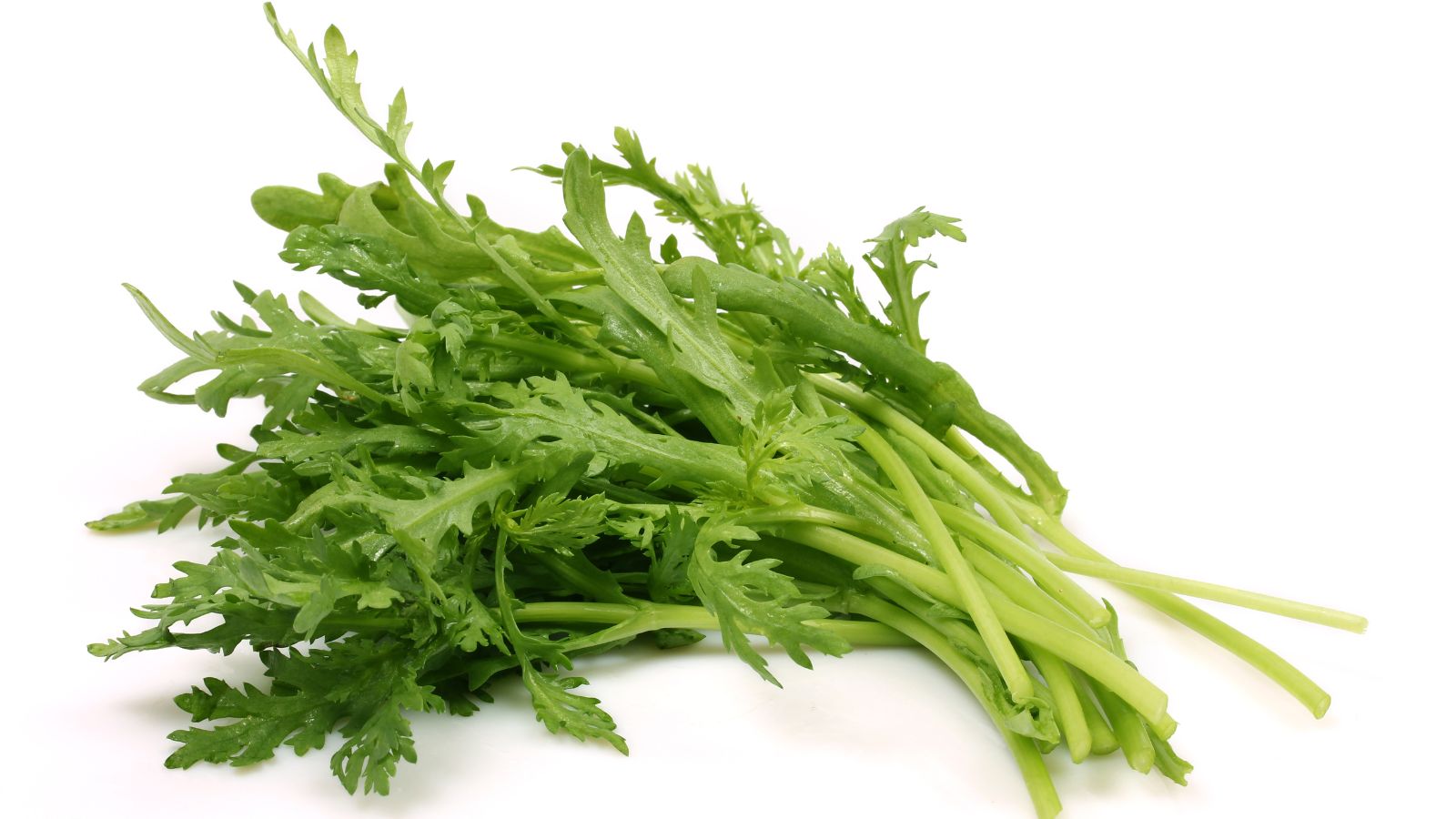
Tonghou, also known as Tong Ho, Tungho, or edible chrysanthemum greens, is a nutritious leafy vegetable widely enjoyed across East and Southeast Asia. Derived from the Glebionis coronaria plant, Tonghou is valued for its distinctive aroma, tender leaves, and versatility in cooking. Whether added to hot pots, soups, stir-fries, or salads, this flavorful green has become a staple ingredient in many Asian households.
What Is Tonghou (Tong Ho)?
Tonghou is the edible leafy portion of the chrysanthemum plant. Unlike ornamental chrysanthemums grown for flowers, Tonghou is cultivated specifically for culinary purposes. The leaves are soft, aromatic, and slightly serrated, making them easily recognizable.
This vegetable is particularly popular in Chinese, Japanese, Korean, Vietnamese, and Filipino cuisines. Its unique fragrance and slightly peppery flavor add depth to a wide variety of dishes.
The Origin and History of Tonghou Greens
Tonghou has been cultivated in Asia for centuries. Historians believe it originated in the Mediterranean region before spreading eastward through trade routes. Over time, it became deeply integrated into Asian cooking traditions.
In China, Tonghou has long been used in traditional cuisine and herbal remedies. Japanese cuisine incorporates it into nabemono (hot pot dishes), while Korean cooks frequently use it in soups and side dishes.
Different Names of Tonghou Around the World
Depending on the country and region, Tonghou is known by various names:
- Tong Ho (Chinese)
- Tungho
- Edible Chrysanthemum
- Chrysanthemum Greens
- Crown Daisy
- Shungiku (Japanese)
- Ssukgat (Korean)
Despite the different names, these terms generally refer to the same aromatic leafy vegetable.
What Does Tonghou Taste Like?
Tonghou has a distinctive flavor that sets it apart from other leafy greens. Its taste is often described as:
- Slightly peppery
- Mildly bitter
- Herbaceous
- Floral and aromatic
- Fresh and earthy
The flavor becomes milder when cooked, making it suitable for people who are new to chrysanthemum greens.
Nutritional Value of Tonghou
Tonghou is packed with essential nutrients that support overall health. It contains:
- Vitamin A
- Vitamin C
- Vitamin K
- Folate
- Calcium
- Potassium
- Iron
- Dietary fiber
- Antioxidants
Because it is low in calories and rich in nutrients, Tonghou is considered an excellent addition to a balanced diet.
Health Benefits of Eating Tonghou
Supports Immune Function
The high vitamin C content helps strengthen the immune system and supports the body’s natural defenses.
Promotes Eye Health
Vitamin A contributes to healthy vision and may help reduce the risk of certain eye-related issues.
Aids Digestion
Dietary fiber supports healthy digestion and promotes regular bowel movements.
Supports Heart Health
Potassium helps regulate blood pressure, while antioxidants may contribute to cardiovascular wellness.
Helps Maintain Healthy Bones
Vitamin K and calcium work together to support strong bones and proper bone density.
Provides Antioxidant Protection
Antioxidants help combat oxidative stress caused by free radicals in the body.
Common Culinary Uses of Tonghou in Asian Cuisine
Tonghou is a versatile vegetable used in numerous dishes throughout Asia. Common culinary applications include:
- Hot pots
- Stir-fries
- Soups
- Noodle dishes
- Rice bowls
- Vegetable side dishes
- Salads
Its aromatic flavor enhances both simple and complex recipes.
How to Prepare and Clean Tonghou Properly
Before cooking Tonghou, proper preparation is important.
- Remove damaged or yellow leaves.
- Rinse thoroughly under cool running water.
- Soak briefly to remove dirt and debris.
- Trim tough stems if necessary.
- Pat dry before cooking.
Fresh Tonghou is delicate, so gentle handling helps preserve its texture.
Popular Tonghou Recipes You Can Try at Home
Garlic Stir-Fried Tonghou
A quick and simple dish featuring garlic, oil, and fresh Tonghou leaves.
Tonghou Hot Pot
Add fresh leaves during the final minutes of cooking for maximum flavor and texture.
Tonghou Soup
A light broth combined with tofu, mushrooms, and chrysanthemum greens.
Tonghou Noodle Bowl
Mix cooked Tonghou with noodles, vegetables, and a savory sauce.
Tonghou Salad
Young leaves can be used fresh in salads for a unique herbal flavor.
Tonghou in Hot Pot, Soups, and Stir-Fries
One of the most popular ways to enjoy Tonghou is in hot pot dishes. The leaves cook quickly and absorb the flavors of the broth while retaining their distinctive aroma.
In soups, Tonghou adds freshness and nutritional value. For stir-fries, it pairs exceptionally well with garlic, mushrooms, tofu, and seafood.
Because it cooks rapidly, Tonghou is usually added near the end of the cooking process.
How to Grow Tonghou in Your Garden
Tonghou is relatively easy to grow, making it an excellent choice for home gardeners.
Basic growing steps include:
- Choose a sunny location.
- Use well-draining soil.
- Sow seeds directly into the garden.
- Water consistently.
- Thin seedlings as they grow.
Most varieties mature within a few weeks, allowing for multiple harvests during the growing season.
Best Climate and Soil Conditions for Tonghou
Tonghou thrives in:
- Cool to moderate temperatures
- Well-drained soil
- Soil rich in organic matter
- Areas receiving partial to full sunlight
Extreme heat may cause the plant to bolt prematurely, affecting leaf quality.
How to Store Tonghou for Maximum Freshness
To keep Tonghou fresh:
- Wrap leaves in a slightly damp paper towel.
- Place them in a perforated plastic bag.
- Store in the refrigerator.
- Use within three to five days for the best quality.
Avoid washing until ready to use, as excess moisture can shorten shelf life.
Tonghou vs Other Leafy Greens: Key Differences
| Feature | Tonghou | Spinach | Bok Choy |
| Flavor | Aromatic and floral | Mild | Slightly sweet |
| Texture | Tender | Soft | Crisp |
| Common Use | Hot pots and soups | Salads and cooking | Stir-fries |
| Aroma | Strong | Mild | Mild |
Tonghou stands out because of its unique fragrance and herbal flavor profile.
Frequently Asked Questions About Tonghou
Is Tonghou the Same as Edible Chrysanthemum?
Yes. Tonghou, Tong Ho, and edible chrysanthemum all refer to the same leafy vegetable derived from the Glebionis coronaria plant.
Can You Eat Tonghou Raw?
Yes. Young and tender leaves can be eaten raw in salads, although cooking is more common.
Where Can You Buy Tonghou?
Tonghou is available in many Asian grocery stores, specialty markets, and some farmers’ markets.
Is Tonghou Healthy for Weight Loss?
Yes. It is low in calories, rich in fiber, and packed with nutrients, making it suitable for weight-conscious diets.
How Long Does Tonghou Last in the Refrigerator?
Fresh Tonghou typically remains in good condition for three to five days when stored properly.
What Can Be Used as a Substitute for Tonghou?
Possible substitutes include spinach, watercress, mustard greens, and baby bok choy, though none perfectly replicate its unique flavor.
Conclusion
Tonghou is a flavorful and nutrient-rich leafy vegetable that deserves a place in every healthy kitchen. Known for its aromatic leaves and versatility, it enhances soups, hot pots, stir-fries, and salads while providing valuable vitamins, minerals, and antioxidants. Whether you are discovering Tonghou for the first time or looking to grow it in your garden, this remarkable chrysanthemum green offers both culinary enjoyment and nutritional benefits.