

Introduction
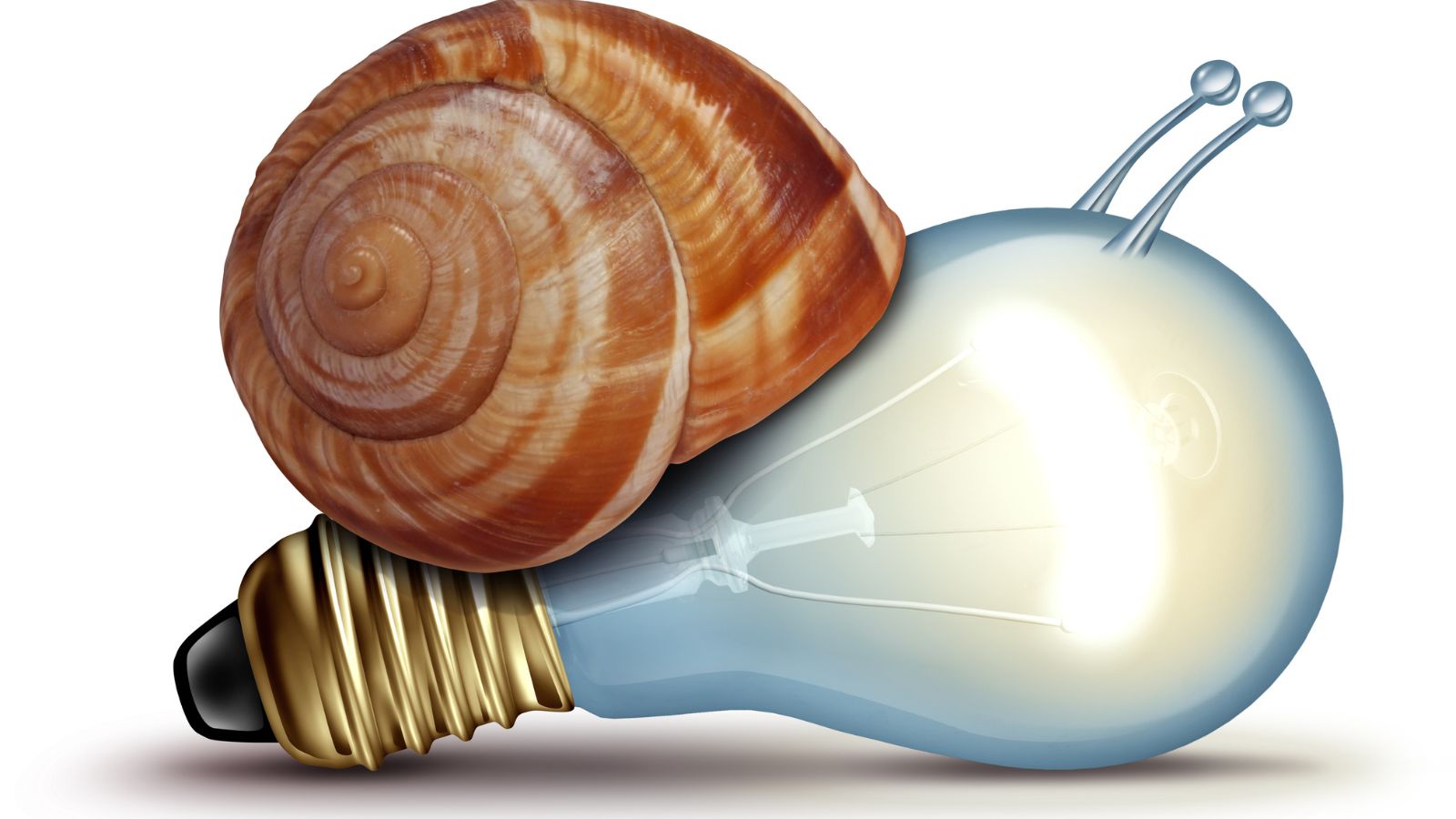
The word sluggish describes something that is moving, acting, or working slower than normal, usually while lacking energy, vigor, or alertness. It can refer to people, animals, machines, businesses, or even the economy. A sluggish person may feel tired and find it difficult to complete everyday tasks, while a sluggish machine may operate inefficiently. Although sluggishness is often temporary, it can affect productivity, health, and overall performance if it continues for a long time.
Meaning of Sluggish
Sluggish means being slow in movement, action, or thinking. It suggests a lack of energy, enthusiasm, or responsiveness. A sluggish person may walk slowly, react slowly, or struggle to stay focused. Similarly, a sluggish computer may take a long time to open programs, and a sluggish economy may experience slow growth and reduced business activity. The word is commonly used in both everyday conversations and professional settings.
Causes of Sluggishness in People
People can become sluggish for many reasons. One of the most common causes is a lack of sleep. Without enough rest, the body and mind cannot function efficiently, leading to tiredness and poor concentration. Poor nutrition is another major factor. A diet lacking essential nutrients can reduce energy levels and make a person feel weak throughout the day.
Stress and anxiety can also contribute to sluggishness. When people experience mental pressure for a long time, they often feel exhausted and lose motivation. Dehydration, illness, and certain medical conditions may also slow down physical and mental performance. Identifying the cause is the first step toward overcoming sluggishness.
Effects of Sluggishness on Daily Life
Sluggishness can affect nearly every aspect of life. Students who feel sluggish may struggle to pay attention in class or complete assignments on time. Employees may find it difficult to meet deadlines, make decisions, or stay productive during working hours. Even simple household tasks may seem challenging when energy levels are low.
In addition to reducing productivity, sluggishness can affect mood and confidence. People may become frustrated when they are unable to perform at their best. Over time, this can create stress and lower self-esteem, making it even harder to stay motivated.
Sluggishness in Machines and Technology
The term sluggish is not limited to people. It is also commonly used to describe machines and technology. A sluggish computer may respond slowly to commands because of insufficient memory, outdated software, or excessive background applications. Similarly, a sluggish internet connection may take longer to load websites or stream videos.
Regular maintenance, software updates, and proper care can help improve the performance of machines and electronic devices. Just as the human body needs rest and nutrition, technology also requires maintenance to function efficiently.
Sluggish Economy
Economists often use the word sluggish to describe slow economic growth. A sluggish economy is one in which businesses grow slowly, unemployment may increase, and consumer spending remains low. During such periods, companies may reduce investments, and governments often introduce policies to encourage economic activity.
Although economic slowdowns can be challenging, they are usually temporary. With effective planning, investment, and innovation, economies can recover and return to steady growth.
How to Overcome Sluggishness
There are many practical ways to reduce sluggishness and increase energy. Getting seven to nine hours of quality sleep each night allows the body to recover and improves mental alertness. Eating balanced meals rich in fruits, vegetables, whole grains, and protein provides the nutrients needed for sustained energy.
Regular physical exercise also helps combat sluggishness by improving blood circulation and boosting mood. Drinking enough water throughout the day prevents dehydration, which is a common cause of fatigue. Taking short breaks during work or study sessions can refresh the mind and improve concentration.
Managing stress through relaxation techniques, meditation, or hobbies can also restore energy and improve overall well-being. Small lifestyle changes often make a significant difference over time.
The Importance of Staying Active
An active lifestyle is one of the best ways to prevent sluggishness. Physical activity strengthens muscles, improves heart health, and increases energy levels. Mental activity is equally important. Reading books, solving puzzles, learning new skills, and engaging in meaningful conversations help keep the brain active and alert.
Maintaining a healthy daily routine that includes exercise, proper nutrition, and sufficient rest allows people to remain energetic and productive throughout the day.
Sluggishness in Students and Professionals
Students and professionals often experience sluggishness because of busy schedules and long working hours. Late-night studying, excessive screen time, and poor time management can reduce energy and concentration. Professionals may experience fatigue from heavy workloads, long meetings, or workplace stress.
Creating a balanced schedule, taking regular breaks, and maintaining healthy habits can improve performance. Time management skills also reduce unnecessary pressure and help individuals complete tasks more efficiently.
Building Healthy Habits
Healthy habits are essential for preventing sluggishness. Going to bed at the same time each night, eating nutritious meals, staying hydrated, and exercising regularly help maintain consistent energy levels. Limiting excessive caffeine, sugary foods, and screen time before bed also improves sleep quality.
Positive habits may seem small, but when practiced consistently, they lead to better physical health, improved mental focus, and greater productivity.
Conclusion
Sluggish means something moving, acting, or working slower than normal, usually while lacking energy, vigor, or alertness. Whether it affects a person, a machine, or an economy, sluggishness can reduce efficiency and make daily activities more difficult. Fortunately, most cases of sluggishness can be improved through healthy habits, proper rest, balanced nutrition, regular exercise, and effective time management. By understanding its causes and taking positive steps to overcome it, individuals can regain their energy, improve their performance, and enjoy a healthier and more productive life.