

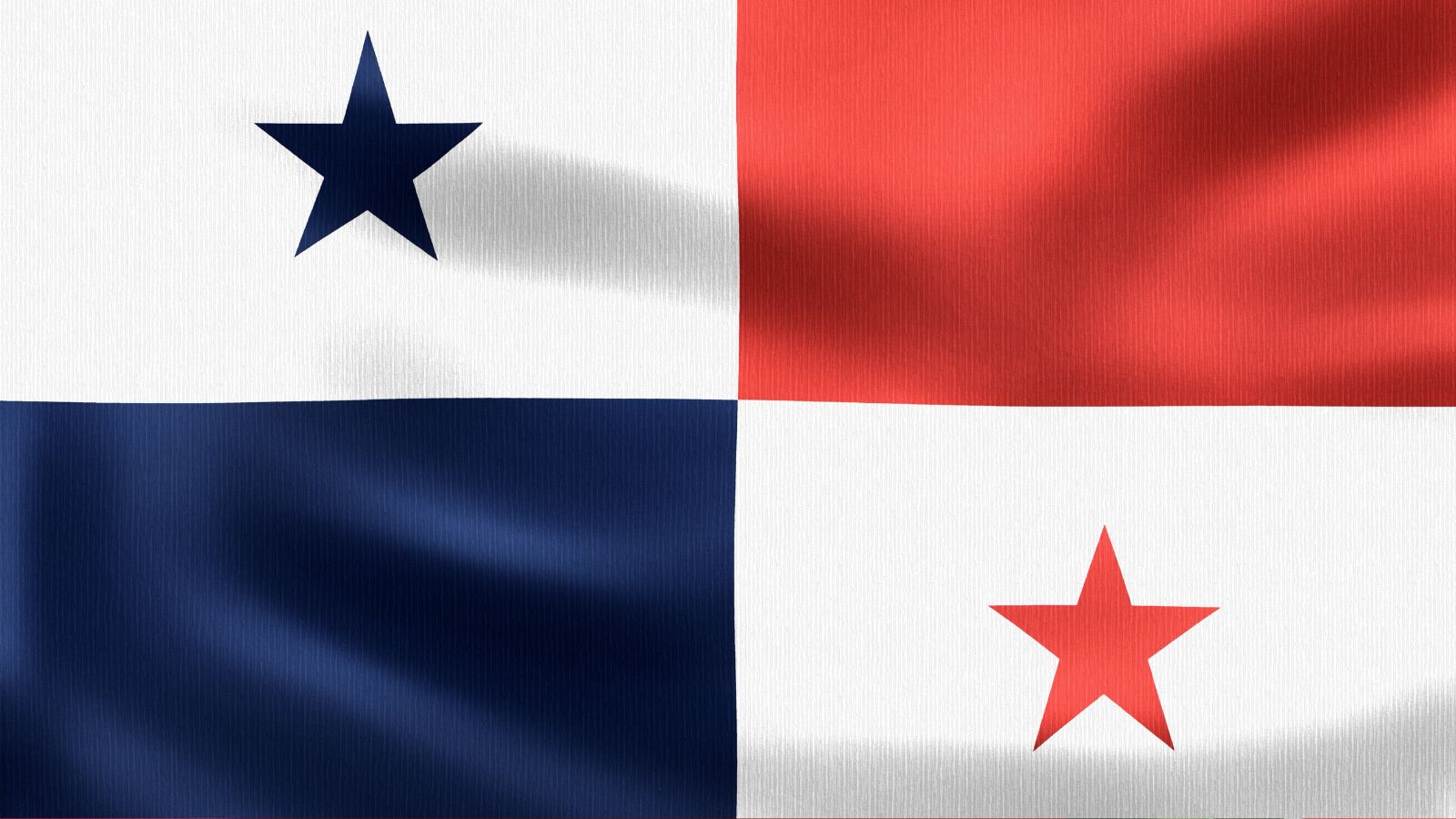
Panama is a fascinating transcontinental country located at the southern end of Central America, connecting North and South America. Known worldwide for the Panama Canal, this vibrant nation combines rich history, diverse cultures, modern cities, and breathtaking natural landscapes. From tropical rainforests and pristine beaches to bustling urban centers, Panama offers something for travelers, investors, and history enthusiasts alike.
Where Is Panama Located?
Panama sits on the narrow isthmus that links Central America with South America. It is bordered by Costa Rica to the west and Colombia to the southeast. The country enjoys coastlines on both the Caribbean Sea and the Pacific Ocean, making it a strategic and geographically unique location.
Its position as a bridge between two continents has shaped its history, economy, and cultural identity for centuries.
A Brief History of Panama
Panama’s history dates back thousands of years, when indigenous peoples inhabited the region long before European exploration. In 1501, Spanish explorers arrived and established settlements.
For centuries, Panama remained part of the Spanish Empire. After gaining independence from Spain in 1821, it became part of Gran Colombia. Panama eventually separated from Colombia in 1903 and became an independent nation.
The construction of the Panama Canal in the early 20th century transformed the country into a vital hub for global trade.
Geography and Climate of Panama
Panama covers approximately 75,000 square kilometers and features a diverse landscape that includes mountains, rainforests, rivers, islands, and coastal regions.
The country’s tropical climate is characterized by:
- Warm temperatures year-round
- A rainy season from May to November
- A dry season from December to April
- High humidity in many regions
These conditions support rich biodiversity and lush ecosystems throughout the country.
The Importance of the Panama Canal
The Panama Canal is one of the most important engineering achievements in human history. Opened in 1914, the canal connects the Atlantic and Pacific Oceans, significantly reducing travel time for ships.
Without the canal, vessels would need to travel around the southern tip of South America, adding thousands of kilometers to their journeys.
Today, the canal remains a cornerstone of Panama’s economy and plays a critical role in international trade.
Major Cities in Panama
Panama is home to several important cities, each offering unique attractions and opportunities.
Panama City
The capital and largest city, Panama City, serves as the country’s economic, political, and cultural center.
Colón
Located near the Caribbean entrance of the Panama Canal, Colón is a major port city and commercial hub.
David
David is the capital of Chiriquí Province and is known for agriculture, commerce, and access to natural attractions.
These cities contribute significantly to Panama’s development and growth.
Population, Language, and Culture of Panama
Panama has a diverse population influenced by indigenous, European, African, and Asian heritage.
Spanish is the official language, although English is commonly spoken in business and tourist areas.
Panamanian culture is celebrated through:
- Traditional music
- Colorful festivals
- Local crafts
- Diverse cuisine
- Religious celebrations
This cultural diversity creates a vibrant national identity.
Top Tourist Attractions in Panama
Panama attracts millions of visitors each year thanks to its wide range of attractions.
Popular destinations include:
- Panama Canal Visitor Centers
- Casco Viejo Historic District
- Bocas del Toro Islands
- San Blas Islands
- Boquete Highlands
- Coiba National Park
These destinations showcase the country’s natural beauty and cultural heritage.
Panama City: The Nation’s Modern Capital
Panama City is one of Latin America’s most modern urban centers. Its skyline features impressive skyscrapers, luxury hotels, and international businesses.
Visitors can explore:
- Modern shopping centers
- Historical neighborhoods
- Museums
- Waterfront promenades
- Fine dining restaurants
The city’s blend of old and new makes it a favorite destination for travelers.
Wildlife and Natural Wonders of Panama
Panama is considered one of the world’s biodiversity hotspots.
The country is home to:
- Hundreds of bird species
- Monkeys and sloths
- Sea turtles
- Dolphins
- Exotic plants
Protected areas and national parks help preserve these natural treasures for future generations.
Economy and Key Industries in Panama
Panama has one of the strongest economies in Latin America.
Major industries include:
- Shipping and logistics
- Banking and finance
- Tourism
- Construction
- Agriculture
- International trade
The Panama Canal remains a major driver of economic activity and foreign investment.
Transportation and Infrastructure in Panama
Panama boasts modern transportation systems compared to many countries in the region.
Infrastructure highlights include:
- International airports
- Modern highways
- Metro systems
- Major seaports
- Efficient logistics networks
These developments support both economic growth and tourism.
Education and Healthcare in Panama
Panama continues to invest in education and healthcare services.
The country offers:
- Public and private schools
- Universities and technical institutes
- Modern hospitals
- Healthcare facilities in major cities
Improving access to these services remains a national priority.
Best Time to Visit Panama
The ideal time to visit Panama is during the dry season, which generally runs from December to April.
During this period, visitors can enjoy:
- Sunny weather
- Outdoor activities
- Beach vacations
- Nature tours
However, the rainy season also offers lush landscapes and fewer crowds.
Travel Tips for First-Time Visitors
If you are planning your first trip to Panama, consider the following tips:
- Carry local currency or accepted payment methods.
- Learn basic Spanish phrases.
- Stay hydrated in the tropical climate.
- Respect local customs and traditions.
- Use licensed transportation services.
Proper planning can help ensure a smooth and enjoyable experience.
Interesting Facts About Panama
Panama has many unique characteristics that make it stand out.
Some interesting facts include:
- It connects two continents.
- It borders two oceans.
- The Panama Canal is one of the world’s busiest waterways.
- Panama uses the U.S. dollar alongside its own currency.
- The country is home to remarkable biodiversity.
These features make Panama one of the most fascinating countries in the Americas.
Conclusion
Panama is much more than the home of the famous Panama Canal. It is a dynamic nation that combines strategic importance, cultural diversity, economic strength, and extraordinary natural beauty. Whether you are interested in history, business, travel, or wildlife, Panama offers countless opportunities to explore and learn.