

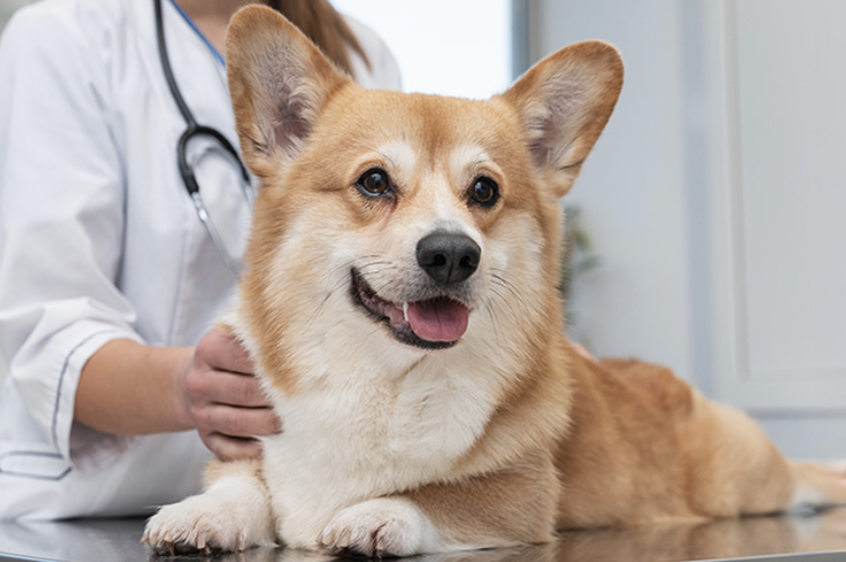
A dog swallowing a sock, a cat developing a chronic kidney condition, or a puppy needing surgery after a bad jump off the couch can turn into a bill running into the thousands of dollars within a single visit to an emergency animal hospital.
Veterinary costs have climbed steadily for years, driven by advances in diagnostic imaging, specialty care, and the rising overhead of running a modern veterinary practice, and pet owners have responded by turning to insurance at a pace that would have seemed unlikely a decade ago.
Companies like Trupanion, Nationwide, and Healthy Paws have expanded their customer base substantially, while employers increasingly offer pet insurance as a voluntary workplace benefit alongside more traditional offerings like dental and vision coverage.
Why Veterinary Bills Have Climbed So Fast
Veterinary medicine has advanced a great deal over the past two decades, and pets today have access to diagnostic tools and treatments, including MRI scans, chemotherapy, and specialized orthopedic surgery, that were far less common or simply unavailable in general practice a generation ago. This expanded capability comes with expanded cost, since operating advanced imaging equipment and employing board-certified veterinary specialists requires an investment that gets passed along to pet owners through higher prices for both routine and emergency care.
Corporate consolidation within veterinary practice ownership has also played a role, as private equity-backed groups have acquired independent clinics across the country, sometimes standardizing pricing upward as part of a broader business strategy focused on margin improvement.
Emergency and specialty veterinary hospitals, which operate around the clock and maintain the staffing and equipment needed for after-hours care, charge substantially more than a standard daytime clinic visit, reflecting both the premium cost of round-the-clock staffing and the more serious nature of conditions that typically bring a pet to an emergency facility in the first place. Pet owners facing a sudden emergency, such as a dog that has ingested something toxic or a cat in acute kidney failure, often have little ability to shop around for a better price given the time pressure involved, leaving them to absorb whatever the nearest emergency facility charges.
Rising demand for veterinary services following a nationwide increase in pet ownership has also strained the supply of available veterinarians and support staff in many regions, and basic economics suggests that higher demand against a slower-growing supply of trained professionals tends to push prices upward across the board, not just within emergency and specialty care.
- Advanced diagnostic technology: MRI, CT scans, and other imaging tools now common in veterinary medicine carry equipment and staffing costs that show up in client bills.
- Specialist care expansion: Board-certified veterinary oncologists, cardiologists, and surgeons command higher fees than general practice veterinarians.
- Corporate practice consolidation: Private equity acquisition of independent veterinary clinics has, in many cases, coincided with standardized and higher pricing structures.
- Emergency facility overhead: Round-the-clock staffing and equipment at emergency animal hospitals results in substantially higher per-visit costs than routine daytime care.
How Pet Insurance Really Works
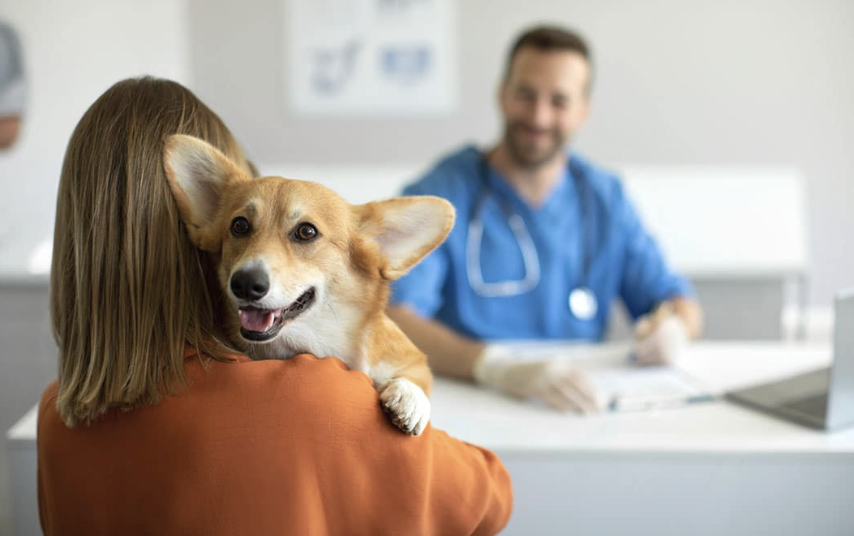
Pet insurance operates on a reimbursement model that differs in real ways from how human health insurance typically functions in the United States. Rather than a network of approved providers and direct billing arrangements, most pet insurance requires the owner to pay the veterinary bill in full at the time of service, then submit a claim to the insurance company for reimbursement based on the policy’s terms. This structure means a pet owner needs enough available credit or savings to cover an unexpected bill upfront, with the insurance functioning as a way to recover a portion of that cost afterward rather than reducing the immediate financial burden at the point of care.
Policies typically combine a deductible, a reimbursement percentage, and an annual payout cap, with premiums varying based on a pet’s age, breed, and location, along with whether the policy covers accidents and illness together or accidents alone. Wellness add-ons, covering routine care like vaccinations and annual checkups, are usually sold separately from the core accident and illness coverage, since these predictable, lower-cost expenses function more like a subscription discount plan than true insurance against an unpredictable event.
Pre-existing conditions are almost universally excluded from coverage, which creates a strong incentive to enroll a pet in a policy while young and healthy rather than waiting until a health issue has already emerged.
- Reimbursement structure: Owners typically pay the vet bill upfront, then submit a claim for partial reimbursement based on their policy terms.
- Deductible and reimbursement rate: Most plans combine an annual deductible with a reimbursement percentage, commonly ranging from seventy to ninety percent of the covered bill.
- Annual payout caps: Many policies limit total reimbursement per year, which can matter a great deal for a pet facing an expensive chronic condition.
- Pre-existing condition exclusions: Nearly all pet insurance policies exclude coverage for conditions diagnosed before the policy’s effective date.
- Wellness plan add-ons: Routine care coverage for vaccines and checkups is typically sold as a separate add-on rather than bundled into standard coverage.
Breed and Age Factors That Drive Premiums
Insurance premiums for pets vary widely based on factors that mirror, in some ways, how human health insurance and life insurance account for risk. Breeds with known predispositions to certain health conditions, such as hip dysplasia in larger dog breeds or heart conditions common in certain cat breeds, typically carry higher premiums than mixed-breed animals with less predictable genetic risk profiles.
Age at enrollment matters a great deal as well, since insuring a young, healthy puppy or kitten locks in a lower starting premium and avoids the risk of a condition emerging before coverage begins, while enrolling an older pet often means paying substantially more for a policy that may also exclude age-related conditions that have already started to develop.
Geographic location factors into premium calculations too, reflecting regional differences in the cost of veterinary care itself, since a policy covering a pet in a major metropolitan area with higher-cost veterinary practices will generally carry a higher premium than the same coverage for a pet in a lower-cost region.
Insurers use this same regional cost data to set reimbursement calculations, meaning a claim submitted in an expensive market may result in a different payout than an identical claim submitted in a market where veterinary costs run lower.
- Breed-specific risk: Larger breeds prone to joint issues or certain purebred cats with known heart conditions typically carry higher premiums than mixed breeds.
- Enrollment age: Younger pets generally qualify for lower starting premiums and avoid the risk of a condition emerging before coverage takes effect.
- Geographic cost variation: Premiums and reimbursement amounts both reflect regional differences in the underlying cost of veterinary care.
- Species differences: Dogs and cats are underwritten separately, with dog policies generally costing more due to a wider range of size-related health risks.
Spayed and neutered pets sometimes qualify for a modest premium discount, reflecting a lower statistical risk of certain reproductive health conditions and behaviors that can lead to injury.
Multi-pet households can often access a discount for insuring more than one animal under the same provider, similar to a multi-policy discount common in home and auto insurance bundling. These smaller premium adjustments rarely change the overall value calculation dramatically, but they are worth asking about when requesting a quote, since providers do not always advertise every available discount prominently on their websites.
Choosing Between Providers and Coverage Levels

The pet insurance market has expanded to include a range of providers with distinctly different approaches to coverage, claims processing, and pricing structure. Trupanion has built its brand around direct payment to some veterinary practices, reducing the upfront cash flow burden that the standard reimbursement model places on pet owners, though this direct-pay option is only available at clinics that have partnered with the company’s payment system.
Nationwide, one of the longest-operating providers in this space, offers a wider range of plan tiers, including a whole-pet coverage option that extends beyond accident and illness to include some wellness and preventive care within a single combined plan.
Newer entrants to the market, including Lemonade and Embrace, have emphasized fast digital claims processing and app-based policy management, appealing to pet owners who want a more modern user experience compared with the paperwork-heavy claims processes historically associated with insurance generally.
Comparing quotes across multiple providers for the same pet often reveals real price differences for comparable coverage, making comparison shopping worthwhile before committing to a specific insurer, especially since switching providers later can mean starting over with a fresh pre-existing condition exclusion period for any health issue that emerged under the previous policy.
- Direct-pay options: A limited number of providers, most notably Trupanion, offer direct payment to certain veterinary practices rather than requiring upfront payment and reimbursement.
- Whole-pet coverage tiers: Some insurers bundle wellness and preventive care into a single comprehensive plan rather than selling it as a separate add-on.
- Digital claims processing: Newer entrants have built app-based claims systems that process reimbursement faster than traditional paperwork-based methods.
- Switching costs: Changing providers can reset pre-existing condition exclusions, making a mid-coverage switch potentially costly for a pet with an ongoing health issue.
Employer Benefits and the Workplace Pet Insurance Trend
Pet insurance has increasingly appeared as a voluntary benefit offered through workplace benefits packages, joining more established options like supplemental life insurance and legal service plans. Employers offering this benefit typically do not cover the premium cost directly, but they negotiate a group discount rate and payroll deduction convenience that can make enrollment easier and somewhat less expensive than purchasing an individual policy directly from an insurer.
Human resources departments have cited pet insurance as an increasingly requested benefit, especially among younger employees who are more likely to own pets rather than have dependent children, a demographic shift that has reshaped what benefits packages prioritize compared with a generation ago.
Benefits brokers who help employers design their offerings have noted that pet insurance carries relatively low administrative overhead compared with more complex benefits, since the insurer typically handles enrollment and claims directly rather than requiring extensive employer involvement beyond facilitating payroll deductions.
This low-friction structure has made it an appealing benefit for employers looking to expand their offerings without a large jump in administrative burden, contributing to its rapid spread across benefits packages at companies of varying sizes over a relatively short period.
- Group discount rates: Employers negotiate a bulk rate with an insurance provider, passing modest savings along to employees who enroll.
- Payroll deduction convenience: Premiums are often deducted directly from a paycheck, simplifying payment compared with managing a separate monthly bill.
- Low employer administrative burden: Insurers typically manage enrollment and claims directly, requiring minimal ongoing involvement from an employer’s benefits team.
- Growing demand among younger employees: Workers who prioritize pet ownership over having children have driven much of the demand for this benefit category.
Some employers have gone further, offering a modest employer-paid subsidy toward pet insurance premiums as a differentiator in competitive hiring markets, especially within industries like technology and professional services where benefits packages are often used to attract talent. This remains less common than fully employer-paid options like health insurance, but the trend suggests that pet insurance may continue moving from a purely voluntary, employee-paid benefit toward one that receives at least partial employer support in some workplaces going forward.
Walking Through a Typical Claim
Walking through an example helps clarify how the numbers play out in practice for a pet owner filing a claim. Suppose a dog undergoes emergency surgery after swallowing a foreign object, with a total veterinary bill of four thousand dollars.
A policy with a five-hundred-dollar annual deductible and an eighty percent reimbursement rate would first subtract the deductible, leaving thirty-five hundred dollars, then reimburse eighty percent of that remaining amount, resulting in a payment of twenty-eight hundred dollars back to the owner. The owner would still be responsible for the remaining twelve hundred dollars, plus whatever portion of the annual deductible had already been used earlier in the policy year.
This example illustrates why reading a policy’s specific terms matters more than simply comparing monthly premium costs across providers. A policy with a lower premium but a higher deductible or lower reimbursement rate may end up costing an owner more out of pocket during a real claim than a policy with a higher premium but more favorable claim terms. Reading the full policy details, rather than relying on an advertised starting price, remains the most reliable way to compare true value across competing pet insurance providers.
Owners who run this kind of math on a few different quotes before enrolling, rather than choosing based on the lowest monthly premium alone, tend to end up with coverage that matches their pet’s likely needs more closely, whether that means a policy geared toward a breed prone to joint problems or one built around a healthy young animal unlikely to need major care for years.
Final Thoughts
The growth of pet insurance reflects a broader shift in how households view the cost of caring for an animal, treating a pet’s health as a financial responsibility on par with other insurable risks rather than an unpredictable expense to absorb entirely out of pocket.
Rising veterinary costs, driven by advanced diagnostics, specialist care, and consolidation within the industry, have made that shift feel less optional for many owners than it once did.
Choosing the right policy requires comparing deductibles, reimbursement rates, and payout caps across providers, along with enrolling a pet as early as possible to avoid pre-existing condition exclusions.
As veterinary medicine continues to advance and costs continue climbing alongside it, pet insurance is likely to keep moving from a niche purchase toward a standard part of responsible pet ownership.
Read more about Newstwick
Frequently Asked Questions
1. Is pet insurance worth the monthly cost for a healthy young pet?
For many owners, insuring a young, healthy pet locks in a lower premium and avoids pre-existing condition exclusions that would apply if a health issue develops before coverage begins, making early enrollment generally more valuable than waiting.
2. Does pet insurance cover routine checkups and vaccinations?
Standard accident and illness policies typically do not cover routine wellness care, though many insurers offer a separate wellness add-on plan specifically for vaccines, checkups, and other preventive services.
3. How quickly do pet insurance claims typically get reimbursed?
Processing times vary by provider, with some digital-first insurers reimbursing claims within days, while others relying on more traditional paperwork-based systems can take several weeks to process a submitted claim.
4. Can a pet be denied coverage due to a pre-existing condition?
Yes, nearly all pet insurance policies exclude coverage for any condition diagnosed or showing symptoms before the policy’s effective date, which is why enrolling early, before a health issue emerges, is generally recommended.
5. Do all veterinary practices accept pet insurance?
Most veterinary practices will treat an insured pet the same as an uninsured one, since coverage usually works through owner reimbursement rather than direct billing, though a small number of practices partner directly with certain insurers for upfront payment.
6. Is workplace pet insurance cheaper than buying an individual policy?
Group rates negotiated through an employer can offer modest savings compared with an individual policy, though pet owners should still compare the specific coverage terms rather than assuming a workplace plan is automatically the best available option.