

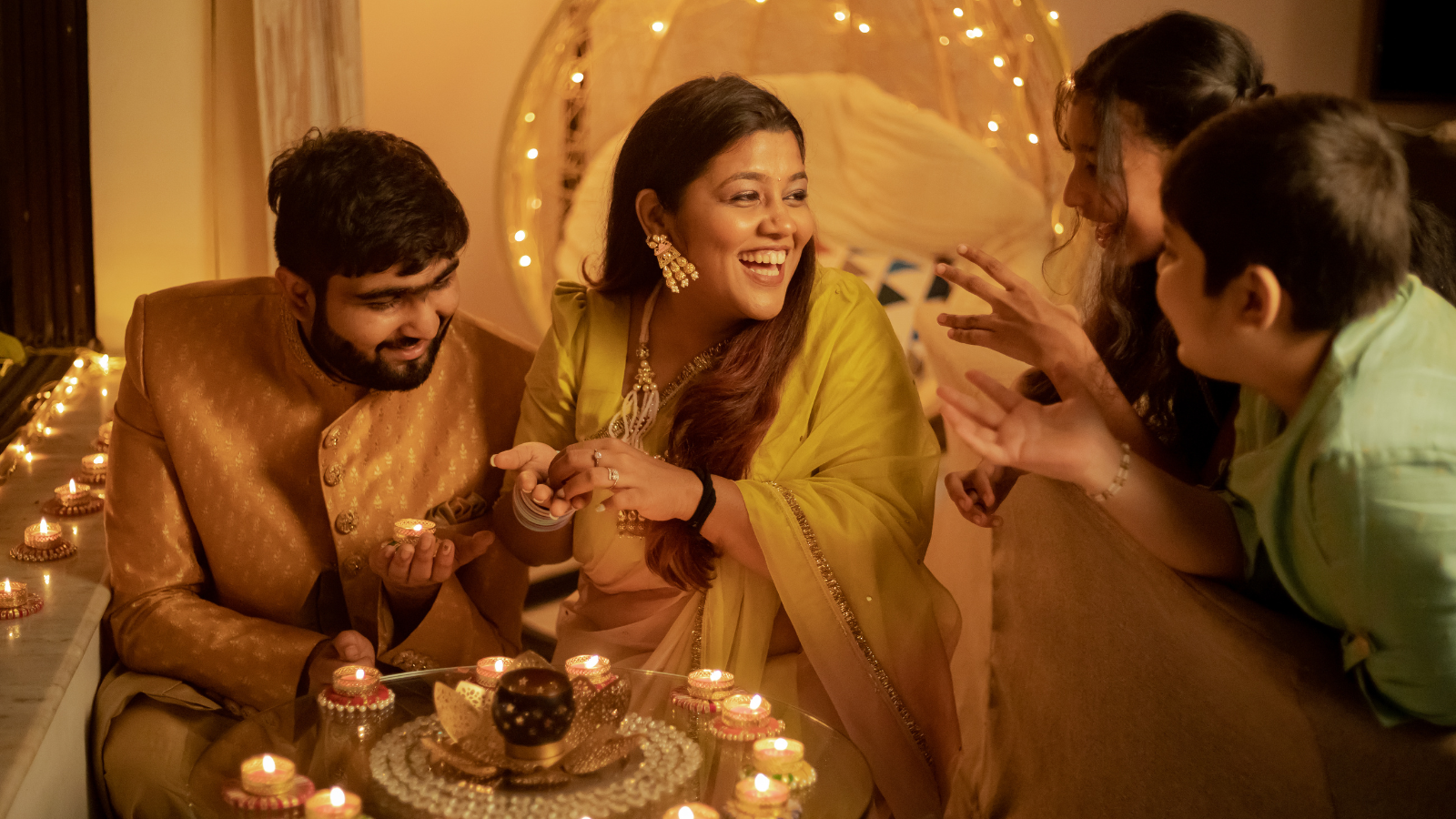
Diwali 2026, also known as the Festival of Lights, is one of the most important and widely celebrated Hindu festivals in the world. It symbolizes the victory of light over darkness, good over evil, and knowledge over ignorance. Families decorate their homes with diyas, colorful rangoli designs, and lights while offering prayers to Goddess Lakshmi for prosperity, happiness, and success.
In 2026, the main day of Diwali falls on Sunday, November 8, making it a special occasion for millions of people across India and around the globe. Whether you are celebrating with family or learning about the festival for the first time, this guide covers everything you need to know about Diwali 2026.
What Is Diwali 2026?
Diwali is an ancient Hindu festival celebrated by millions of people worldwide. While it is primarily associated with Hinduism, it is also observed by Jains, Sikhs, and some Buddhist communities, each with its own traditions and historical significance.
The word “Diwali” comes from the Sanskrit word Deepavali, which means “a row of lamps.” During the festival, homes, temples, and streets are illuminated with oil lamps, candles, and decorative lights to symbolize hope, positivity, and new beginnings.
When Is Diwali 2026? Date, Day, and Timings
In 2026, the main Diwali festival will be celebrated on Sunday, November 8.
The most important event of the day is Lakshmi Puja, when devotees worship Goddess Lakshmi, the goddess of wealth and prosperity, along with Lord Ganesha, seeking blessings for financial success, peace, and happiness.
Since auspicious timings vary by location, families should check their local Panchang or temple for the exact Lakshmi Puja Muhurat in their city.
Why Is Diwali Celebrated? The History and Significance
Diwali represents the triumph of righteousness over evil. It reminds people that goodness, honesty, and compassion ultimately overcome negativity and ignorance.
The festival encourages individuals to:
- Welcome positivity into their lives.
- Strengthen family relationships.
- Practice generosity and charity.
- Begin new financial and personal journeys.
- Express gratitude for blessings received throughout the year.
Businesses often start new accounting books during Diwali, considering it an auspicious time for growth and prosperity.
The Mythological Stories Behind Diwali
Different regions of India celebrate Diwali based on different legends.
One of the most popular stories tells of Lord Rama’s return to Ayodhya after defeating Ravana and completing fourteen years of exile. The people welcomed him by lighting thousands of oil lamps, giving birth to the tradition of illuminating homes during Diwali.
Another tradition celebrates Goddess Lakshmi emerging during the Samudra Manthan (Churning of the Ocean), making her worship an essential part of Diwali.
In many parts of India, Diwali also marks Lord Krishna’s victory over the demon Narakasura, symbolizing the destruction of evil.
For Jains, the festival commemorates the attainment of nirvana by Lord Mahavira.
Sikhs observe Bandi Chhor Divas around the same time, celebrating Guru Hargobind Ji’s release from imprisonment.
Diwali 2026 Lakshmi Puja: Muhurat and Rituals
Lakshmi Puja is the spiritual centerpiece of Diwali.
Before the puja begins, families thoroughly clean their homes and decorate entrances with rangoli and diyas to welcome Goddess Lakshmi.
The puja generally includes:
- Cleaning and decorating the home.
- Lighting oil lamps.
- Installing idols of Goddess Lakshmi and Lord Ganesha.
- Offering flowers, fruits, sweets, and coins.
- Chanting prayers and aarti.
- Seeking blessings for prosperity and good fortune.
Many business owners also perform special prayers for financial success in the coming year.
How Is Diwali Celebrated Across India?
Although the core message remains the same, Diwali traditions differ from one region to another.
In North India, people celebrate Lord Rama’s return to Ayodhya with grand lighting displays and fireworks.
Western India places great importance on Lakshmi Puja and business prosperity.
Southern India often begins celebrations with early morning oil baths and prayers commemorating Lord Krishna’s victory over Narakasura.
Eastern India, particularly in West Bengal, celebrates Kali Puja alongside Diwali, honoring Goddess Kali.
These regional traditions showcase India’s rich cultural diversity while preserving the festival’s universal message.
Diwali Celebrations Around the World
Diwali is celebrated in many countries beyond India.
Communities in the United States, Canada, the United Kingdom, Australia, Singapore, Malaysia, Fiji, Mauritius, Nepal, and South Africa organize public festivals featuring cultural performances, music, dance, traditional food, and fireworks.
Many famous landmarks are illuminated in honor of Diwali, reflecting its growing international recognition and cultural importance.
The Five Days of Diwali Explained
Diwali is not a one-day festival. It consists of five significant days.
Dhanteras
The festival begins with Dhanteras, when people purchase gold, silver, utensils, and other valuable items as symbols of prosperity.
Naraka Chaturdashi (Choti Diwali)
This day celebrates the victory of Lord Krishna over Narakasura and represents the removal of negativity.
Diwali (Lakshmi Puja)
The third day is the main festival, dedicated to Goddess Lakshmi and Lord Ganesha.
Govardhan Puja
People honor Lord Krishna for lifting Govardhan Hill to protect villagers from heavy rains.
Bhai Dooj
The final day celebrates the special relationship between brothers and sisters, similar to Raksha Bandhan in expressing family love.
Traditional Diwali Decorations and Home Preparation
Preparing the home is an important part of Diwali celebrations.
Popular decorations include:
- Clay diyas
- LED lights
- Rangoli patterns
- Flower garlands
- Decorative lanterns
- Torans for doorways
- Candles
- Festive table decorations
Cleaning the house before Diwali symbolizes removing negativity and welcoming prosperity.
Popular Diwali Foods, Sweets, and Festive Recipes
Food plays a central role during Diwali.
Popular sweets include:
- Ladoo
- Barfi
- Gulab Jamun
- Jalebi
- Kaju Katli
- Rasgulla
- Peda
Families also prepare savory snacks such as samosas, namak pare, chakli, mathri, and chivda.
Sharing homemade food with friends and neighbors strengthens community bonds and spreads festive joy.
Diwali 2026 Wishes, Quotes, Greetings, and Messages
People exchange heartfelt greetings during the festival.
Some popular wishes include:
- Happy Diwali 2026! May your home be filled with happiness, health, and prosperity.
- Wishing you success, peace, and endless joy this Diwali.
- May Goddess Lakshmi bless you with wealth and good fortune throughout the year.
- Let the light of Diwali brighten every corner of your life.
- Have a safe, joyful, and memorable Diwali with your loved ones.
Eco-Friendly Ways to Celebrate Diwali 2026
Many families now prefer environmentally responsible celebrations.
Some eco-friendly ideas include:
- Use traditional clay diyas instead of excessive electric decorations.
- Choose natural rangoli colors.
- Limit noisy fireworks.
- Recycle decorative materials.
- Avoid single-use plastics.
- Support local artisans by purchasing handmade decorations.
- Donate food and clothing to those in need.
These small steps help preserve the environment while maintaining the spirit of the festival.
Diwali Safety Tips for Families and Children
Safety should always be a priority during celebrations.
Helpful safety tips include:
- Supervise children around fireworks.
- Keep a bucket of water or fire extinguisher nearby.
- Wear cotton clothing while lighting fireworks.
- Keep diyas away from curtains and flammable objects.
- Avoid overcrowded firework areas.
- Handle candles carefully.
- Protect pets from loud noises.
Following these precautions ensures everyone enjoys a safe and memorable Diwali.
Frequently Asked Questions About Diwali 2026
When is Diwali 2026?
Diwali 2026 will be celebrated on Sunday, November 8.
Why is Diwali called the Festival of Lights?
It symbolizes the victory of light over darkness and good over evil.
Who is worshipped during Diwali?
Most Hindu families worship Goddess Lakshmi and Lord Ganesha during Lakshmi Puja.
How long does Diwali last?
The festival traditionally lasts five days.
Is Diwali celebrated outside India?
Yes. Millions of people celebrate Diwali across countries including the UK, USA, Canada, Australia, Singapore, Malaysia, Nepal, Fiji, Mauritius, and South Africa.
Conclusion
Diwali 2026 is more than a festival of lights—it is a celebration of hope, faith, family, and new beginnings. As homes glow with diyas and prayers fill the air, people come together to celebrate kindness, gratitude, and the triumph of good over evil.