

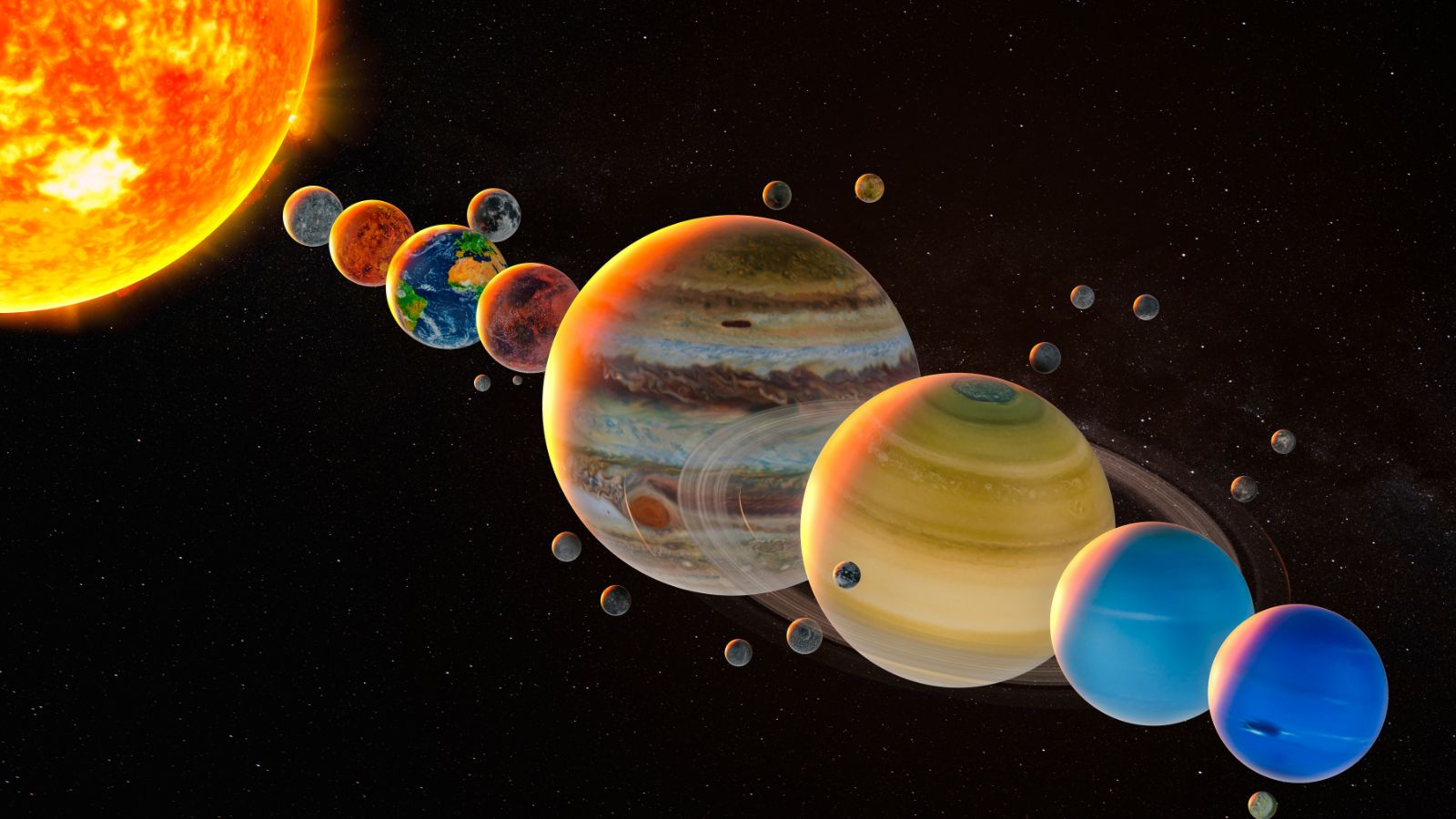
Have you ever wished you could travel through space without leaving Earth? A planetarium makes that possible. These fascinating venues allow visitors to experience the wonders of the universe through immersive dome-shaped theaters that display realistic simulations of stars, planets, galaxies, and other celestial objects.
What Is a Planetarium?
A planetarium is a specially designed theater with a large domed ceiling where advanced projectors display realistic images of the night sky and outer space. Unlike a traditional movie theater, the visuals cover the entire dome, creating an immersive experience that makes visitors feel as though they are traveling through the universe.
Planetariums are commonly found in science museums, universities, educational institutions, and research centers. They are used to teach astronomy, space science, and celestial navigation while providing breathtaking visual experiences.
How Does a Planetarium Work?
Modern planetariums rely on advanced projection systems to recreate the universe with remarkable accuracy.
The main components include:
- High-resolution digital projectors
- Optical-mechanical star projectors
- Dome-shaped projection screens
- Surround sound systems
- Computer software using real astronomical data
These technologies simulate the movement of stars, planets, the Moon, galaxies, comets, eclipses, and even future astronomical events. Many modern systems can also take audiences on virtual journeys across the solar system and beyond the Milky Way.
The History of Planetariums
Humans have always been fascinated by the stars. Ancient civilizations created celestial models to understand the movement of heavenly bodies.
The first modern planetarium projector was developed by the German company Carl Zeiss in the early 1920s. Since then, planetariums have evolved dramatically.
Major milestones include:
- Ancient celestial globes and star maps
- Mechanical star projectors in the 20th century
- Computerized digital projection systems
- Full-dome 4K and 8K immersive theaters
- Interactive virtual reality experiences
Today’s digital planetariums can display millions of stars with exceptional realism.
Different Types of Planetariums
Not all planetariums use the same technology. Several types exist depending on their purpose and budget.
Optical-Mechanical Planetariums
These use precision mechanical projectors that shine tiny points of light onto the dome to accurately recreate the night sky.
Digital Planetariums
Digital systems use powerful computers and projectors to create animated journeys through space, allowing audiences to explore planets, galaxies, and black holes.
Hybrid Planetariums
Hybrid systems combine optical and digital technologies, offering both realistic star fields and immersive multimedia presentations.
Portable Planetariums
Inflatable domes make astronomy education accessible to schools, libraries, and community events.
What Can You See Inside a Planetarium?
Planetarium shows cover a wide range of astronomical topics.
Visitors can explore:
- Stars and constellations
- The Solar System
- The Moon and its phases
- Planets and dwarf planets
- Comets and asteroids
- Meteors and meteor showers
- Galaxies
- Nebulae
- Black holes
- Space missions
- The International Space Station
- The Big Bang
- Deep-space exploration
Many shows also explain seasonal night skies and upcoming astronomical events visible from Earth.
Planetarium vs. Observatory: What’s the Difference?
Although both relate to astronomy, they serve different purposes.
A planetarium creates simulated views of the universe indoors using projectors. Visitors can observe any part of space regardless of weather or time of day.
An observatory uses powerful telescopes to observe actual celestial objects in the sky. Observatories depend on clear weather and dark skies for the best viewing conditions.
Planetariums focus on education and immersive experiences, while observatories emphasize scientific observation and research.
Why Are Planetariums Important for Education?
Planetariums make complex scientific concepts easier to understand.
Benefits include:
- Making astronomy engaging for all ages
- Supporting STEM education
- Helping students visualize space
- Demonstrating planetary motion
- Encouraging scientific curiosity
- Inspiring future astronomers and scientists
Schools often organize field trips to planetariums because students learn more effectively through interactive experiences than from textbooks alone.
Who Should Visit a Planetarium?
Planetariums are suitable for almost everyone.
Ideal visitors include:
- Students
- Teachers
- Families
- Tourists
- Amateur astronomers
- Science enthusiasts
- Researchers
- Children interested in space
Many planetariums also offer special educational programs designed for different age groups.
Famous Planetariums Around the World
Several world-famous planetariums attract millions of visitors every year.
Some notable examples include:
- Hayden Planetarium in New York City
- Adler Planetarium in Chicago
- Griffith Observatory Planetarium in Los Angeles
- Nagoya City Science Museum Planetarium in Japan
- Nehru Planetarium in India
These institutions combine cutting-edge technology with educational exhibits, making them popular tourist destinations.
Technologies Used in Modern Planetariums
Planetariums have embraced the latest digital innovations.
Modern features include:
- 4K and 8K projection
- Laser projection systems
- Artificial intelligence-assisted simulations
- Real-time astronomical databases
- Interactive touch displays
- Immersive surround sound
- Motion graphics
- Full-dome animation
- Virtual reality integration
These technologies create unforgettable educational experiences that closely resemble real space exploration.
Benefits of Visiting a Planetarium
A visit to a planetarium offers much more than entertainment.
Some key benefits include:
- Better understanding of astronomy
- Increased appreciation of science
- Educational family outings
- Stress-free indoor activity
- Inspiration for future careers
- Improved awareness of our place in the universe
Many visitors leave with a deeper curiosity about space and scientific discovery.
How to Choose the Best Planetarium
If you’re planning a visit, consider the following factors:
- Dome size
- Image quality
- Show variety
- Interactive exhibits
- Ticket prices
- Accessibility
- Visitor reviews
- Educational programs
- Family-friendly facilities
Checking the schedule beforehand ensures you can attend the show that interests you most.
Common Myths About Planetariums
Several misconceptions surround planetariums.
Myth: Planetariums are only for children.
Reality: Many shows are designed specifically for adults and science enthusiasts.
Myth: The stars shown are fictional.
Reality: Most modern planetariums use real astronomical data based on scientific observations.
Myth: Weather affects planetarium shows.
Reality: Since shows take place indoors, weather has no impact on the viewing experience.
Frequently Asked Questions
Are planetariums suitable for young children?
Yes. Many offer age-appropriate educational shows that make learning about space fun and engaging.
How long does a typical planetarium show last?
Most presentations last between 30 and 60 minutes, depending on the program.
Do planetariums use real star data?
Yes. Modern systems use accurate astronomical databases to simulate the night sky.
Can you visit during the daytime?
Absolutely. Since the experience is indoors, planetarium shows are available throughout the day.
Is a planetarium better than an observatory?
Both provide unique experiences. A planetarium offers immersive educational simulations, while an observatory allows visitors to observe real celestial objects through telescopes.
Conclusion
A planetarium is one of the best places to explore the universe without leaving Earth. Combining cutting-edge technology with scientific accuracy, it offers an unforgettable journey through stars, planets, galaxies, and the mysteries of space. Whether you’re a curious beginner, a student, or an experienced astronomy enthusiast, a visit to a planetarium can deepen your understanding of the cosmos and inspire a lifelong appreciation for science.