

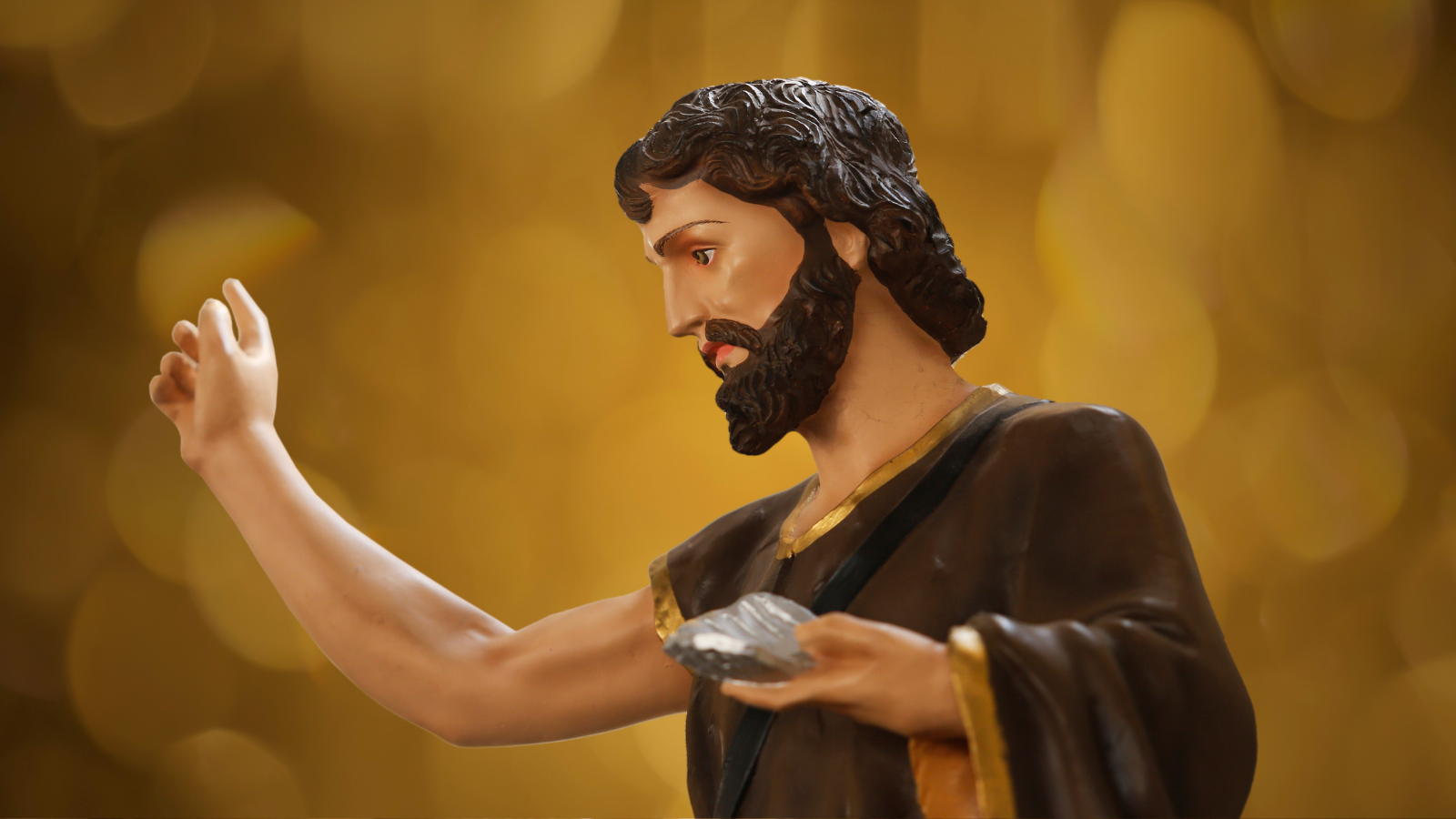
Dia de San Juan, also known as the Feast of Saint John the Baptist, is a vibrant cultural and religious celebration observed every year on June 24. The festival honors the birth of Saint John the Baptist, a significant figure in Christianity, while also incorporating centuries-old folk traditions related to water, fire, purification, and renewal.
Celebrated across Spain, Puerto Rico, the Philippines, Venezuela, Peru, and several other countries, Dia de San Juan combines religious ceremonies with lively music, dancing, beach gatherings, bonfires, and family festivities. Whether you’re planning to attend the festival or simply want to learn about its origins, this guide covers everything you need to know about Dia de San Juan.
What Is Dia de San Juan?
Dia de San Juan is an annual festival dedicated to Saint John the Baptist, who is recognized in Christianity as the prophet who baptized Jesus Christ in the Jordan River.
The celebration blends Christian traditions with ancient midsummer customs that existed long before Christianity. Over time, many cultures combined these traditions into one festive occasion that celebrates faith, community, purification, and the arrival of summer.
Today, Dia de San Juan is both a religious feast day and a cultural festival enjoyed by millions of people around the world.
When Is Dia de San Juan Celebrated?
Dia de San Juan is celebrated every year on June 24.
In many countries, the festivities actually begin on the evening of June 23, known as Saint John’s Eve. Communities gather after sunset for bonfires, fireworks, concerts, and midnight celebrations before continuing with religious events and family gatherings the following day.
Since June marks the beginning of summer in the Northern Hemisphere, many of the customs are connected to nature, sunlight, and seasonal renewal.
The History of Dia de San Juan
The origins of Dia de San Juan combine Christian beliefs with ancient European midsummer festivals.
According to the Bible, Saint John the Baptist was born approximately six months before Jesus Christ. The Church designated June 24 as the official feast day to commemorate his birth.
Long before Christianity, many cultures celebrated the summer solstice with fires and rituals believed to cleanse evil spirits and bring good fortune. As Christianity spread, these traditional celebrations became associated with Saint John, creating the modern Dia de San Juan festival.
This blend of faith and folklore explains why water and fire remain central symbols of the celebration today.
Who Was Saint John the Baptist?
Saint John the Baptist is one of Christianity’s most respected saints.
He preached repentance, encouraged people to prepare for the coming of Jesus, and baptized believers in the Jordan River. According to Christian tradition, he baptized Jesus himself.
John is remembered for his humility, devotion, and courage in speaking the truth, even when it placed his life at risk. His example continues to inspire millions of Christians worldwide.
Why Is Dia de San Juan Important?
Dia de San Juan holds both spiritual and cultural significance.
For many Christians, it is a day to honor Saint John the Baptist’s life and teachings.
For local communities, the festival represents:
- Renewal and fresh beginnings
- Purification through water
- Light overcoming darkness
- Family unity
- Cultural identity
- Community celebration
- Gratitude and hope
The festival also helps preserve local traditions that have been passed down through generations.
Traditional Dia de San Juan Celebrations
Although customs vary by country, several traditions are common across many celebrations.
Popular activities include:
- Attending church services
- Community parades
- Traditional folk dancing
- Live music performances
- Family feasts
- Fireworks displays
- Beach parties
- Bonfires
- Cultural festivals
- Local fairs
Many towns organize public events that attract both residents and tourists.
The Symbolism of Water During Dia de San Juan
Water is one of the most important symbols of Dia de San Juan.
Because Saint John the Baptist baptized people in water, many traditions involve rivers, lakes, oceans, or fountains.
In countries like Puerto Rico, it is customary to enter the sea at midnight or early on June 24. Many people believe this ritual brings:
- Good luck
- Good health
- Spiritual cleansing
- Protection
- Prosperity
Some participants immerse themselves three, seven, or even twelve times depending on local customs.
Bonfires and Fire Traditions
Bonfires are another iconic feature of Dia de San Juan.
Large fires are lit on beaches, town squares, and open fields during Saint John’s Eve.
Traditionally, people believed fire could:
- Drive away evil spirits
- Remove bad luck
- Bring positive energy
- Mark the beginning of a new season
In some places, participants jump over small bonfires as part of ancient folklore, although modern celebrations emphasize safety.
How Different Countries Celebrate Dia de San Juan
The festival takes on unique forms around the world.
Spain
Spanish cities celebrate with beach bonfires, fireworks, concerts, and all-night festivities, particularly along the Mediterranean coast.
Puerto Rico
Thousands gather at beaches before midnight to perform the famous backward plunge into the ocean for good luck.
Philippines
Religious processions, church services, and traditional community events honor Saint John the Baptist, especially in areas where he is the patron saint.
Venezuela
Many communities organize parades, folk music, dancing, and religious ceremonies.
Peru
The festival is especially important in the Amazon region, where colorful parades, traditional foods, music, and cultural performances attract large crowds.
Traditional Foods Served During Dia de San Juan
Food is an important part of every celebration.
Popular dishes vary by region but often include:
- Grilled meats
- Seafood
- Rice dishes
- Fresh tropical fruits
- Traditional desserts
- Local pastries
- Regional specialties
- Refreshing beverages
Families often prepare large meals to share with relatives and neighbors.
Religious Observances and Church Services
Many people begin the day by attending church.
Religious celebrations may include:
- Special Masses
- Prayer services
- Bible readings
- Processions honoring Saint John
- Blessings
- Community gatherings
These events emphasize Saint John’s message of repentance, faith, and preparing one’s heart for God.
Travel Tips for Experiencing Dia de San Juan
If you’re planning to attend the festival, consider these tips:
- Book accommodations well in advance.
- Arrive early for major events.
- Wear comfortable clothing.
- Follow local safety guidelines around bonfires.
- Respect religious traditions.
- Stay hydrated during outdoor celebrations.
- Bring a camera for cultural performances.
- Learn a few local customs before visiting.
Experiencing the festival respectfully allows visitors to appreciate both its spiritual and cultural significance.
Frequently Asked Questions About Dia de San Juan
What is Dia de San Juan?
It is an annual religious and cultural festival honoring Saint John the Baptist on June 24.
Why is water important?
Water symbolizes baptism, purification, renewal, and spiritual cleansing.
Why are bonfires lit?
Bonfires represent light, protection, purification, and the celebration of midsummer traditions.
Which countries celebrate Dia de San Juan?
The festival is widely celebrated in Spain, Puerto Rico, the Philippines, Venezuela, Peru, and several other countries.
Is Dia de San Juan a religious holiday?
Yes. It is a Christian feast day, although many cultural traditions have become part of the celebration over centuries.
How Dia de San Juan Preserves Cultural Heritage
Dia de San Juan is more than a religious observance—it is a celebration of history, identity, and community. Through music, dance, traditional foods, storytelling, and local customs, the festival helps preserve cultural heritage for future generations.
For many communities, it is an opportunity to reconnect with family, honor long-standing traditions, and welcome visitors who wish to experience the unique spirit of the celebration.
Conclusion
Dia de San Juan is one of the world’s most colorful festivals, blending Christian faith with ancient midsummer traditions. Celebrated every June 24, it honors Saint John the Baptist while bringing communities together through prayer, music, bonfires, water rituals, and festive gatherings.