

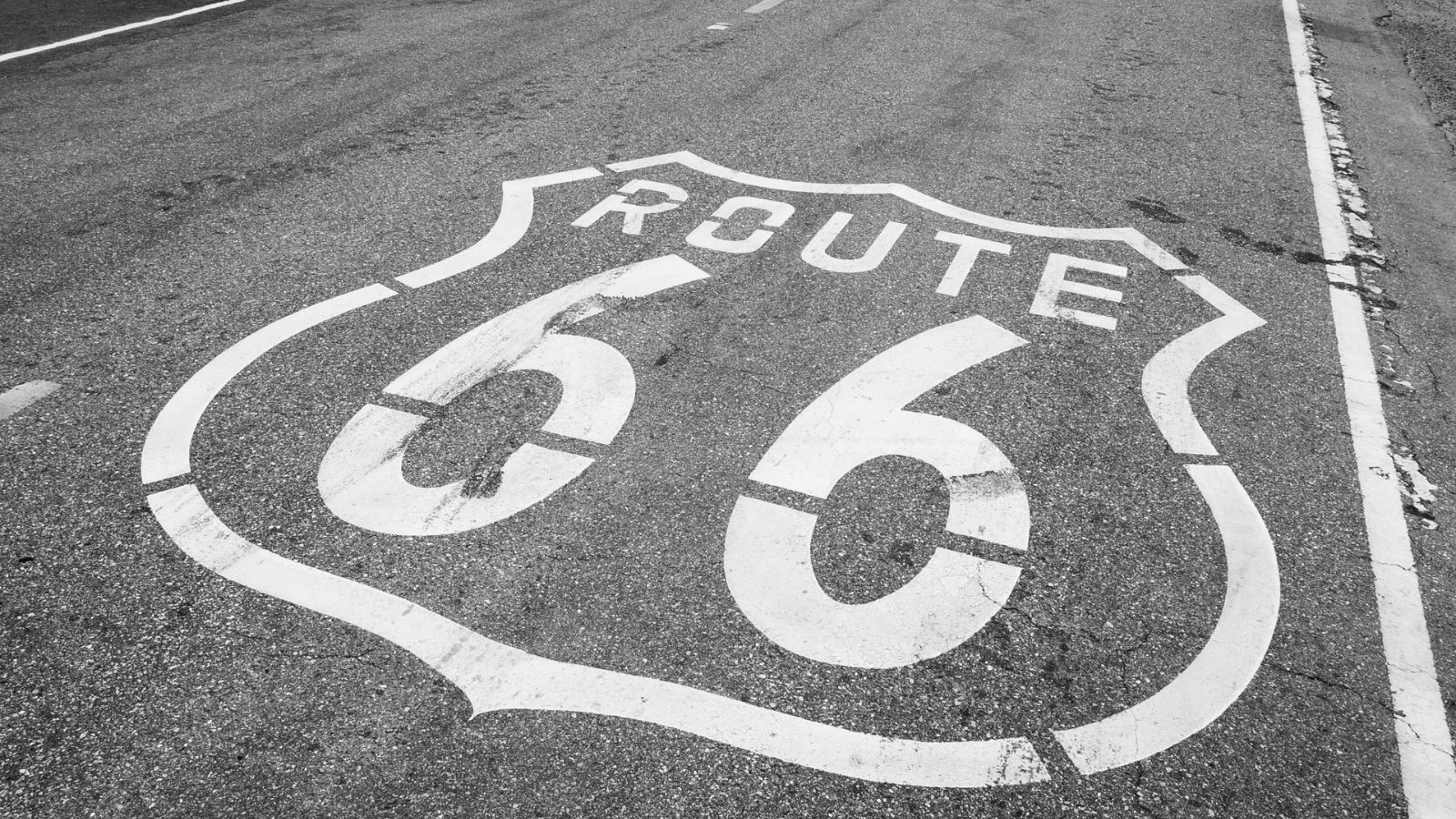
Few roads in the world carry the cultural weight and nostalgia of U.S. Route 66. Stretching approximately 2,448 miles from Chicago to Santa Monica, this iconic highway has earned legendary nicknames such as the “Main Street of America” and the “Mother Road.” More than just a route, it represents a defining chapter in American history—one shaped by migration, opportunity, hardship, and adventure.
The Birth of a National Icon
Route 66 was established in 1926 as part of the United States’ first federal highway system. At a time when cross-country travel was still developing, the road provided a vital link between the Midwest and the West Coast. It connected eight states: Illinois, Missouri, Kansas, Oklahoma, Texas, New Mexico, Arizona, and California.
The route was designed to support economic growth by linking rural communities to larger cities. It quickly became a lifeline for small towns, bringing business, travelers, and new opportunities. Gas stations, diners, motels, and roadside attractions began to flourish along its path, creating a unique roadside culture that would later define the American road trip.
A Road of Hope During Hard Times
Route 66 gained profound historical significance during the 1930s, particularly in the era of the Dust Bowl. Severe drought and economic hardship forced thousands of families from states like Oklahoma to migrate west in search of better opportunities.
For many of these families, Route 66 was more than a road—it was a path to survival. Traveling in overloaded cars and trucks, they made the long journey to California, hoping to find work and a new beginning. This migration was famously captured in John Steinbeck’s novel The Grapes of Wrath, which referred to Route 66 as the “Mother Road,” a name that has endured ever since.
The Golden Age of Road Travel
After World War II, Route 66 entered its golden age. The rise of car ownership and a growing middle class fueled a new era of travel and tourism. Families began taking road trips across the country, and Route 66 became the ultimate highway for adventure.
Motels with neon signs, quirky roadside attractions, and classic American diners became symbols of this era. Travelers could stop at unique landmarks, from giant statues to unusual museums, making the journey just as important as the destination. The road offered a sense of freedom and exploration that captured the imagination of millions.
Cities like Albuquerque and Flagstaff became popular stops, offering scenic views, cultural experiences, and a taste of the American Southwest. The highway’s diverse landscapes—from plains to deserts to mountains—added to its appeal.
Decline and Decommissioning
Despite its popularity, Route 66 began to decline in the 1950s with the development of the Interstate Highway System. Faster, more direct highways gradually replaced sections of Route 66, diverting traffic away from the small towns that depended on it.
By 1985, Route 66 was officially decommissioned, meaning it was removed from the U.S. Highway System. Many businesses along the route struggled or closed, and parts of the road fell into disrepair. What was once the busiest highway in America became a symbol of a bygone era.
Preservation and Revival
Although Route 66 was decommissioned, its legacy never faded. Efforts to preserve and restore the historic highway began almost immediately. Local communities, historians, and enthusiasts worked together to keep its spirit alive.
Today, many sections of Route 66 are designated as “Historic Route 66,” attracting tourists from around the world. Restored diners, vintage motels, and classic gas stations offer a glimpse into the past. The road has become a living museum, celebrating American history and culture.
Organizations and preservation groups continue to advocate for the protection of Route 66, ensuring that future generations can experience its unique charm. In some areas, original stretches of the road have been carefully maintained, allowing travelers to drive the same paths as those who came before them.
Cultural Impact
Route 66 has had a profound influence on American culture. It has been featured in countless songs, movies, and television shows. The classic song “Route 66,” recorded by artists like Nat King Cole, helped popularize the highway and cement its place in popular culture.
Films and TV shows have also drawn inspiration from the road’s imagery and symbolism. It represents freedom, adventure, and the open road—core elements of the American identity. Even animated films like Cars pay tribute to Route 66, highlighting its nostalgic appeal and the impact of its decline on small towns.
A Modern-Day Adventure
Today, Route 66 remains a bucket-list journey for travelers seeking a unique and nostalgic experience. While it is no longer a continuous highway, many drivable sections still exist, offering an authentic road trip experience.
Travelers can explore historic towns, visit classic diners, and take in breathtaking scenery along the way. From the urban energy of Chicago to the coastal beauty of Santa Monica, the journey offers a diverse range of experiences.
Driving Route 66 is not just about reaching a destination—it’s about embracing the journey. It encourages travelers to slow down, appreciate the details, and connect with the history of the road.
Economic and Tourism Importance
The revival of Route 66 has brought economic benefits to many communities along its path. Tourism related to the highway supports local businesses, including restaurants, hotels, and souvenir shops.
International visitors, in particular, are drawn to Route 66 as a symbol of American culture. For many, driving the “Mother Road” is a dream come true, offering a firsthand experience of the landscapes and traditions that define the United States.
Conclusion
America’s Route 66 is far more than a highway—it is a symbol of resilience, opportunity, and adventure. From its role in the Dust Bowl migration to its golden age of road travel, it has been a witness to some of the most महत्वपूर्ण moments in American history.