

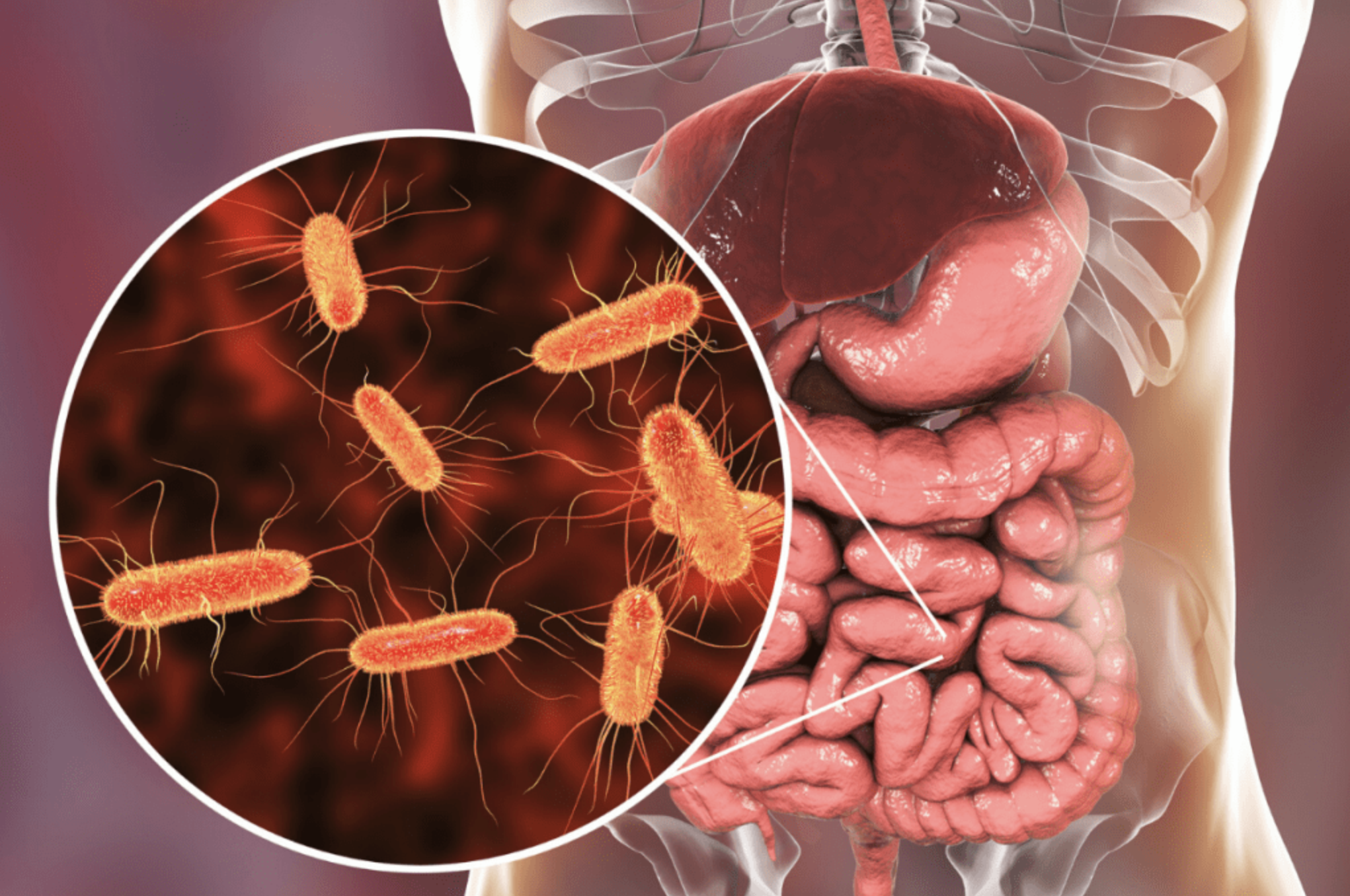
Few areas of health research have generated as much public fascination, and as much overstated marketing, as the gut microbiome, the vast community of bacteria and other microorganisms living within the human digestive system. Probiotic supplements, specialized diets, and countless products now promise gut health benefits ranging from modest to frankly implausible, making it difficult for someone without a scientific background to separate solid research from exaggerated wellness marketing.
Understanding what researchers actually know with reasonable confidence, versus what remains uncertain or actively overstated, offers a more useful foundation than either dismissing this research area entirely or accepting every microbiome-related marketing claim at face value.
What the Gut Microbiome Actually Consists Of
The human gut hosts trillions of microorganisms, predominantly bacteria but also including viruses, fungi, and other microbes, collectively outnumbering human cells within the body by some estimates. This community, often called the gut microbiome, varies considerably between individuals, shaped by factors including genetics, diet, environment, medication history, and early life exposures, including birth method and infant feeding patterns that research suggests may have lasting influence on microbiome composition.
Rather than a single, uniform “good” or “bad” state, a healthy gut microbiome generally reflects considerable diversity, meaning many different bacterial species coexisting rather than any single specific species dominating. This diversity appears more consistently associated with positive health outcomes across research than the presence or absence of any particular individual bacterial strain that marketing materials sometimes single out for specific promotional attention.
Key Facts About Microbiome Composition Worth Understanding
- The gut hosts trillions of microorganisms, primarily bacteria, alongside other microbe types
- Individual microbiome composition varies considerably based on genetics and life history
- Diversity across many bacterial species generally correlates with positive health outcomes
- Early life factors, including birth method, may influence long-term microbiome development
Digestive Health Connections With Reasonably Strong Evidence
The gut microbiome’s role in digestion itself represents one of the more thoroughly researched and reasonably well-established connections within this field. Gut bacteria help break down certain food components human digestive enzymes alone cannot process, particularly various types of dietary fiber, producing beneficial compounds called short-chain fatty acids that serve as an important energy source for cells lining the colon and appear to play a role in maintaining gut barrier integrity.
Research has also established reasonably solid connections between microbiome disruption and certain digestive conditions, including how antibiotic use can meaningfully disrupt gut bacterial communities, sometimes contributing to digestive symptoms during and after treatment. This connection between antibiotics and gut disruption represents one of the more consistently replicated findings within microbiome research, though the practical clinical implications continue being actively studied and refined.
- Gut bacteria assist in digesting fiber components human enzymes alone cannot process
- Short-chain fatty acid production supports colon cell health and gut barrier function
- Antibiotic-related microbiome disruption represents a well-replicated research finding
- Digestive health connections generally rest on stronger, more consistent evidence than other claims
The Emerging but Less Certain Connection to Mental Health
Growing research interest has focused on what’s commonly called the gut-brain axis, exploring potential connections between gut microbiome composition and mental health outcomes including anxiety and depression. Animal studies have demonstrated intriguing connections, with certain bacterial manipulations affecting mouse behavior in ways suggesting a biological pathway connecting gut bacteria and brain function through mechanisms including neurotransmitter production and immune system signaling.
Human research in this specific area remains considerably less conclusive than the more established digestive health connections, with studies often involving smaller sample sizes and mixed, sometimes contradictory results regarding whether specific probiotic interventions meaningfully improve mental health outcomes in actual clinical practice. This doesn’t mean the gut-brain connection is illegitimate, but it does mean current marketing claims suggesting probiotics as a reliable treatment for anxiety or depression considerably outpace what human clinical research has actually, conclusively demonstrated so far.
- The gut-brain axis represents a active but still-developing area of research
- Animal studies show intriguing connections through neurotransmitter and immune pathways
- Human clinical research remains considerably less conclusive than animal study findings
- Marketing claims often outpace what current human research has actually established
A Concrete Example Illustrating This Research Gap
Consider a specific probiotic strain that showed promising results in a mouse study, reducing anxiety-like behaviors when administered to stressed laboratory mice. Marketing materials for a supplement containing that same bacterial strain might reasonably cite this study, technically accurately, while omitting the meaningful context that mouse anxiety behavior doesn’t necessarily translate directly to human anxiety disorders, and that subsequent human trials of the same strain produced considerably more modest, mixed results than the promising initial animal research suggested.
This pattern, but preliminary animal research getting marketed as though it were established human clinical evidence, appears repeatedly across gut health product marketing, making it worth skepticism when a product cites impressive-sounding research without clarifying whether that research actually involved human participants and clinically meaningful outcomes, or represents considerably more preliminary evidence from a different research context entirely.
Diet’s Well-Documented Influence on Microbiome Composition
Among the more consistently replicated microbiome findings, dietary patterns demonstrably influence gut bacterial composition, with diets rich in diverse plant fiber sources generally associated with greater bacterial diversity compared to diets heavy in processed foods and limited in fiber variety. This connection between diet and microbiome composition represents one of the more actionable, evidence-supported findings within this broader research area.
Fermented foods, including yogurt, kefir, and various traditionally fermented vegetables, contain live bacterial cultures that some research suggests may beneficially influence gut microbiome composition, though the specific mechanisms and the durability of these effects continue being actively studied. This research area, while still developing in certain specifics, rests on a more solid evidential foundation than many of the more exaggerated probiotic supplement marketing claims that have proliferated alongside scientific interest in this field.
- Diverse plant fiber intake consistently correlates with greater microbiome bacterial diversity
- Processed food-heavy diets generally associate with reduced microbiome diversity
- Fermented foods contain live cultures that may beneficially influence gut composition
- Diet-microbiome connections rest on relatively solid evidence compared to some supplement claims
Separating Probiotic Benefits From Overstated Marketing Claims
Probiotic research shows genuine, evidence-supported benefits for certain specific conditions, particularly antibiotic-associated digestive symptoms and certain types of diarrhea, where multiple clinical trials have demonstrated meaningful benefit from specific, well-studied bacterial strains. These evidence-backed applications represent legitimate, clinically useful applications of probiotic science that shouldn’t be dismissed simply because other marketing claims within the same broader category prove considerably less substantiated.
Many broader claims, including probiotics for general wellness, weight management, or immune system enhancement beyond specific documented contexts, rest on considerably thinner, less consistent evidence than marketing materials often suggest. The specific bacterial strain, dosage, and health condition all matter considerably for whether research actually supports a given probiotic claim, meaning broad, general statements about “probiotics” as a single unified category oversimplify what remains a complex, strain-specific and condition-specific area of ongoing research.
- Certain probiotic applications, like antibiotic-associated digestive symptoms, have solid evidence support
- General wellness and immune enhancement claims typically rest on considerably weaker evidence
- Specific bacterial strain, dosage, and target condition all matter significantly for efficacy
- Broad generalizations about probiotics oversimplify a strain-specific research area
The Role of Sleep and Exercise in Microbiome Research
Beyond diet, emerging research has begun examining connections between sleep patterns, physical activity, and gut microbiome composition, though this area remains considerably less developed than diet-focused research. Some studies suggest regular physical activity correlates with greater microbiome diversity, potentially through mechanisms including altered gut motility and immune system interactions, though establishing clear causation rather than mere correlation remains an active area of ongoing investigation.
Sleep disruption has similarly been associated with microbiome changes in preliminary research, suggesting a potentially bidirectional relationship where poor sleep might affect gut bacteria composition while microbiome imbalances might, in turn, affect sleep quality through various biological pathways. These connections remain considerably more preliminary than the diet-microbiome relationship, warranting appropriate caution before drawing firm conclusions about specific practical recommendations based on this earlier-stage research.
- Physical activity shows preliminary correlation with greater microbiome diversity in some research
- Establishing clear causation for exercise-microbiome connections remains an active research area
- Sleep disruption has shown preliminary associations with microbiome composition changes
- These connections remain considerably more preliminary than more established diet-microbiome research
Regional Differences in Microbiome Research Around the World
Most large-scale microbiome research has historically concentrated on populations in wealthier, industrialized nations, creating a gap in understanding how microbiome composition and its health connections might differ across the considerably more diverse dietary patterns, environmental exposures, and genetic backgrounds found globally. Researchers have increasingly recognized this limitation, and newer studies have begun deliberately including more geographically and culturally diverse populations to build a more representative understanding of human microbiome diversity.
Early findings from this expanding research suggest meaningful differences in microbiome composition between populations following traditional, less processed diets compared to those following more Western dietary patterns, with some researchers suggesting that certain beneficial bacterial diversity may have declined in industrialized populations compared to historical or traditional dietary patterns still practiced in some regions. This research remains ongoing, but it highlights that much of what’s popularly understood about “normal” microbiome composition reflects a specific, historically narrow research population rather than universal human biology.
- Historical microbiome research has concentrated disproportionately on wealthier, industrialized populations
- Newer studies increasingly include more geographically and culturally diverse populations
- Traditional versus Western dietary patterns show meaningful associated microbiome differences
- Popular understanding of “normal” microbiome composition reflects a historically narrow research base
Practical Takeaways Based on Current Scientific Understanding
Given the current state of research, prioritizing diverse dietary fiber sources, including a wide variety of vegetables, fruits, legumes, and whole grains, represents one of the more evidence-supported approaches for supporting general gut microbiome health, without requiring expensive specialized supplements. This dietary approach also carries broader, well-established health benefits beyond microbiome considerations alone, making it a reasonable recommendation regardless of how future microbiome-specific research develops.
Approaching specific probiotic supplement claims with genuine, informed skepticism, checking whether marketing claims cite actual human clinical research relevant to the specific claimed benefit, rather than animal studies or unrelated research, helps consumers make more informed decisions. Consulting with a healthcare provider before starting probiotic supplementation for a specific health concern, particularly for anyone with existing health conditions, provides more personalized, medically informed guidance than general marketing claims can reasonably offer.
The gut microbiome represents a fascinating and actively developing area of scientific research, with solid evidence supporting certain specific connections alongside considerably more speculative claims that current marketing has outpaced. Approaching this field with informed curiosity, distinguishing between well-established findings and preliminary research, offers a considerably more useful foundation than either dismissing gut health research entirely or accepting every marketing claim without appropriate scrutiny.
This article is for general informational purposes and is not a substitute for professional medical advice. Anyone with persistent digestive issues or gut health concerns should consult a healthcare provider.
Frequently Asked Questions
1. Do probiotic supplements help most healthy people without specific digestive issues?
Evidence for general, healthy individuals without specific conditions remains considerably less conclusive than for certain documented clinical applications, making benefit less certain for general, non-specific use.
2. Can diet alone meaningfully improve gut microbiome diversity?
Yes, research consistently shows diverse plant fiber intake meaningfully influences microbiome composition, representing one of the more evidence-supported, accessible approaches to supporting gut health.
3. Is it true that the gut microbiome affects mental health significantly?
The connection appears based on animal research and some human studies, though human clinical evidence remains considerably less conclusive than marketing claims for specific mental health products often suggest.
4. How long does it take for dietary changes to affect gut microbiome composition?
Research suggests some changes can occur within days of significant dietary shifts, though more substantial, lasting changes in diversity typically develop over weeks to months of sustained dietary patterns.
5. Should someone stop taking probiotics if they don’t notice obvious benefits?
This depends on why they started taking them; for conditions with solid evidence support, continued use may still provide benefit even without dramatically noticeable effects, though consulting a healthcare provider offers more personalized guidance.
6. Is microbiome testing through at-home kits scientifically reliable?
Current at-home testing technology provides limited, often difficult-to-interpret information compared to research-grade analysis, and results should generally be viewed with caution rather than treated as definitive medical guidance.
7. Can microbiome composition differ significantly between family members?
Yes, despite shared environment and often similar diets, individual factors including genetics and personal health history mean microbiome composition can vary considerably even among people living in the same household.
8. Does traveling to a new country temporarily affect gut microbiome composition?
Yes, research shows dietary and environmental changes during travel can produce measurable, though often temporary, shifts in microbiome composition, which some researchers suggest may relate to common travel-related digestive symptoms.
9. Are there specific foods that research consistently identifies as beneficial for gut health?
Diverse fiber sources, including vegetables, legumes, and whole grains, along with fermented foods, consistently appear across research as supporting beneficial microbiome diversity more reliably than any single specific “superfood.”