

Introduction
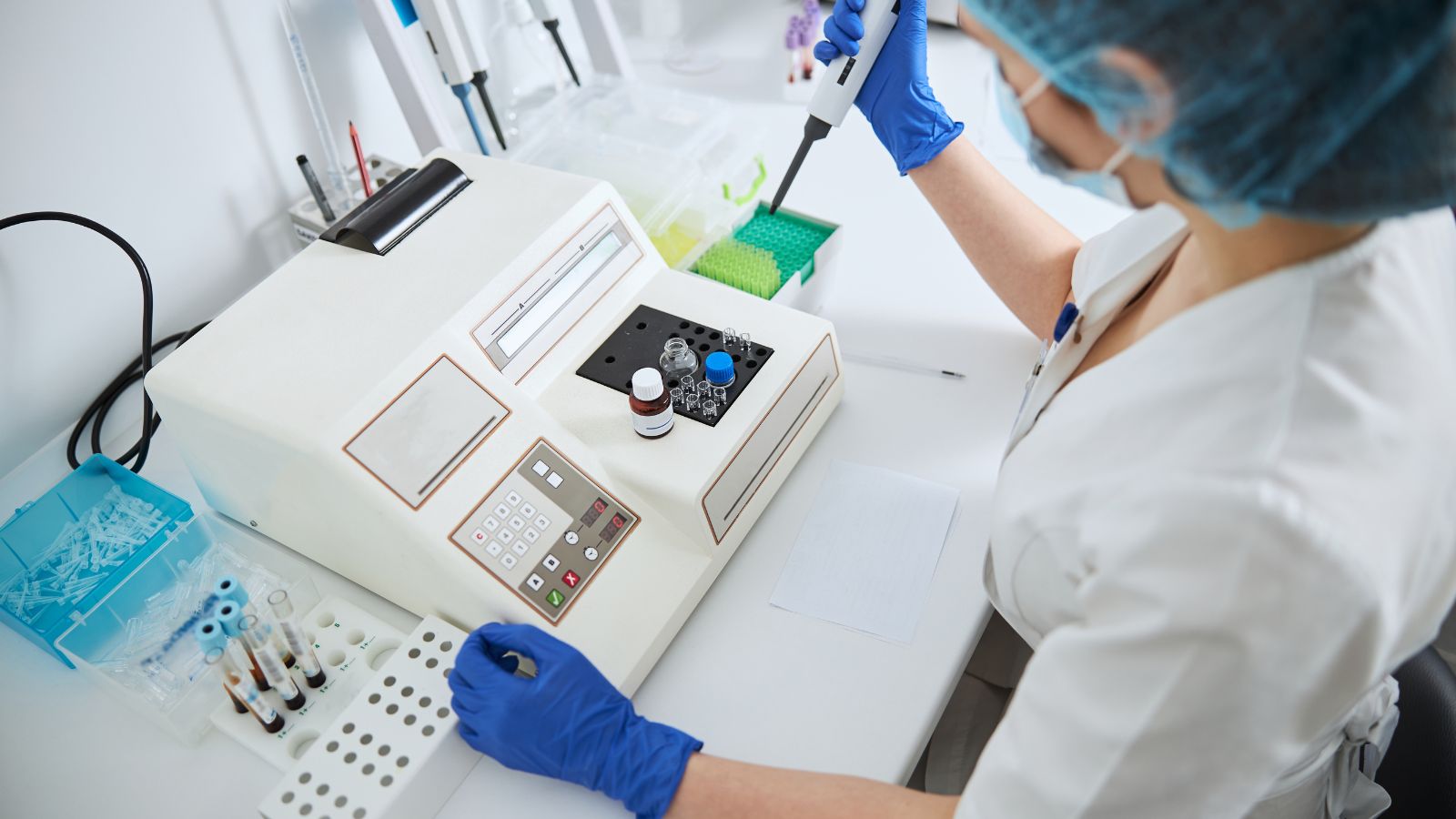
MyPipette refers to a pipetting solution designed to measure, transfer, and dispense exact volumes of liquid. It helps scientists, laboratory technicians, students, and healthcare professionals perform experiments with greater accuracy and efficiency. In modern laboratories, pipettes are essential tools that contribute to quality control, reproducibility, and successful research outcomes.
What Is MyPipette?
MyPipette is a laboratory tool used to measure and transfer specific volumes of liquid with a high degree of precision. It is designed to reduce human error and ensure consistency in laboratory procedures.
Pipettes are commonly used in:
- Biotechnology laboratories
- Clinical diagnostic centers
- Pharmaceutical research
- Academic institutions
- Chemical testing facilities
- Environmental analysis laboratories
By delivering accurate liquid volumes, MyPipette supports reliable scientific experiments and data collection.
How MyPipette Works in Laboratory Applications
MyPipette operates by creating a vacuum that draws liquid into a disposable tip. The user then releases the liquid into another container by pressing the pipette plunger.
The process typically involves:
- Attaching a sterile pipette tip.
- Setting the desired volume.
- Aspirating the liquid.
- Dispensing the liquid into the target vessel.
- Discarding the used tip safely.
This simple but highly precise mechanism allows laboratories to maintain consistent results across experiments.
Key Features of MyPipette Systems
Modern MyPipette systems offer several advanced features that improve usability and accuracy.
High Precision
Designed to deliver exact liquid volumes with minimal deviation.
Adjustable Volume Settings
Users can select different volume ranges depending on experimental requirements.
Ergonomic Design
Comfortable handling reduces hand fatigue during repetitive tasks.
Durable Construction
Built from high-quality materials for long-term laboratory use.
Easy Calibration
Many models allow quick calibration to maintain measurement accuracy.
Compatibility with Disposable Tips
Ensures contamination-free liquid transfer.
Types of Pipettes Available Through MyPipette
Different laboratory applications require different pipette designs.
Manual Pipettes
Operated entirely by hand and commonly used in educational and research laboratories.
Electronic Pipettes
Use electronic controls for greater precision and reduced user fatigue.
Single-Channel Pipettes
Designed for transferring liquid one sample at a time.
Multi-Channel Pipettes
Allow simultaneous transfer of multiple samples, increasing productivity.
Fixed-Volume Pipettes
Dispense a single predefined volume repeatedly.
Variable-Volume Pipettes
Offer adjustable volume settings for diverse applications.
Benefits of Using MyPipette for Precise Liquid Handling
Using MyPipette provides several advantages for laboratories.
Improved Accuracy
Precise liquid transfer reduces measurement errors.
Enhanced Reproducibility
Experiments can be repeated with consistent results.
Increased Efficiency
Researchers can process samples more quickly.
Reduced Contamination Risk
Disposable tips help maintain sample integrity.
Better Compliance
Supports laboratory quality standards and protocols.
Common Uses of MyPipette in Scientific Research
MyPipette is widely used across multiple scientific disciplines.
Molecular Biology
Used in DNA extraction, PCR preparation, and genetic research.
Microbiology
Essential for handling bacterial and microbial cultures.
Pharmaceutical Research
Supports drug development and testing procedures.
Clinical Diagnostics
Used in blood analysis, disease testing, and medical investigations.
Chemistry Laboratories
Facilitates accurate reagent preparation and sample analysis.
MyPipette vs Traditional Pipettes: Key Differences
Modern MyPipette solutions often outperform older pipetting methods.
| Feature | MyPipette | Traditional Pipettes |
| Accuracy | High | Moderate |
| Ease of Use | Excellent | Basic |
| Ergonomics | Advanced | Limited |
| Calibration | Easy | Often Manual |
| Productivity | High | Lower |
| Error Reduction | Significant | Limited |
These advantages make modern pipetting systems a preferred choice for professional laboratories.
Accuracy and Precision in Liquid Measurement
Accuracy refers to how close a measurement is to the intended volume, while precision refers to the consistency of repeated measurements.
Factors affecting pipetting accuracy include:
- Pipette quality
- User technique
- Calibration status
- Environmental conditions
- Tip compatibility
Maintaining both accuracy and precision is essential for reliable scientific results.
How to Properly Use a MyPipette Device
Following proper procedures improves measurement quality.
Step 1: Select the Correct Volume
Adjust the pipette to the required setting.
Step 2: Attach a Suitable Tip
Use compatible sterile tips.
Step 3: Aspirate Carefully
Press the plunger smoothly and draw liquid steadily.
Step 4: Dispense Correctly
Release the liquid into the receiving container without splashing.
Step 5: Eject the Tip
Dispose of used tips according to laboratory safety guidelines.
Calibration and Maintenance Best Practices
Routine maintenance helps preserve performance.
Regular Calibration
Verify measurement accuracy periodically.
Clean the Exterior
Remove dust and chemical residues.
Replace Worn Components
Inspect seals, springs, and tips regularly.
Proper Storage
Store the pipette vertically when not in use.
Follow Manufacturer Guidelines
Always adhere to recommended maintenance schedules.
Common Errors When Using Pipettes and How to Avoid Them
Several mistakes can affect measurement accuracy.
Incorrect Volume Selection
Always double-check volume settings before use.
Improper Tip Attachment
Ensure tips are securely attached.
Fast Aspiration
Draw liquid slowly to avoid air bubbles.
Holding at the Wrong Angle
Maintain a consistent position during aspiration.
Lack of Calibration
Schedule routine calibration checks.
Avoiding these errors improves laboratory reliability and efficiency.
Choosing the Right MyPipette Model for Your Needs
Consider the following factors before selecting a pipette.
Volume Range
Choose a model suitable for your sample sizes.
Frequency of Use
High-volume laboratories may benefit from electronic models.
Number of Samples
Multi-channel pipettes increase productivity.
Budget Considerations
Balance cost with required features and performance.
Application Requirements
Different scientific disciplines may require specialized pipettes.
Safety Guidelines for Laboratory Pipetting
Laboratory safety should always remain a priority.
- Wear appropriate protective equipment.
- Never pipette by mouth.
- Use sterile disposable tips.
- Dispose of biological materials safely.
- Follow laboratory protocols.
- Avoid cross-contamination between samples.
These practices help maintain both user safety and sample integrity.
Future Innovations in Pipetting Technology
Pipetting technology continues to evolve.
Future developments may include:
- Smart digital pipettes
- Automated liquid handling systems
- Cloud-connected laboratory devices
- Enhanced precision sensors
- Artificial intelligence integration
- Improved ergonomic designs
These innovations aim to increase efficiency, accuracy, and laboratory productivity.
Frequently Asked Questions About MyPipette
What is MyPipette used for?
MyPipette is used to accurately measure, transfer, and dispense liquid samples in laboratory environments.
Why is pipetting accuracy important?
Accurate pipetting ensures reliable experimental results and reduces the risk of errors.
How often should a pipette be calibrated?
Most laboratories recommend regular calibration schedules based on usage frequency and quality requirements.
Can MyPipette be used in medical laboratories?
Yes, it is widely used in clinical diagnostics, pharmaceutical research, and healthcare testing facilities.
What is the difference between single-channel and multi-channel pipettes?
Single-channel pipettes handle one sample at a time, while multi-channel pipettes process multiple samples simultaneously.
Conclusion
MyPipette plays a critical role in modern scientific research by enabling precise liquid measurement and transfer. From biotechnology and pharmaceutical development to clinical diagnostics and academic research, accurate pipetting remains essential for obtaining reliable results. By understanding proper usage techniques, maintenance requirements, and best practices, laboratories can maximize efficiency while maintaining high standards of accuracy and safety.