

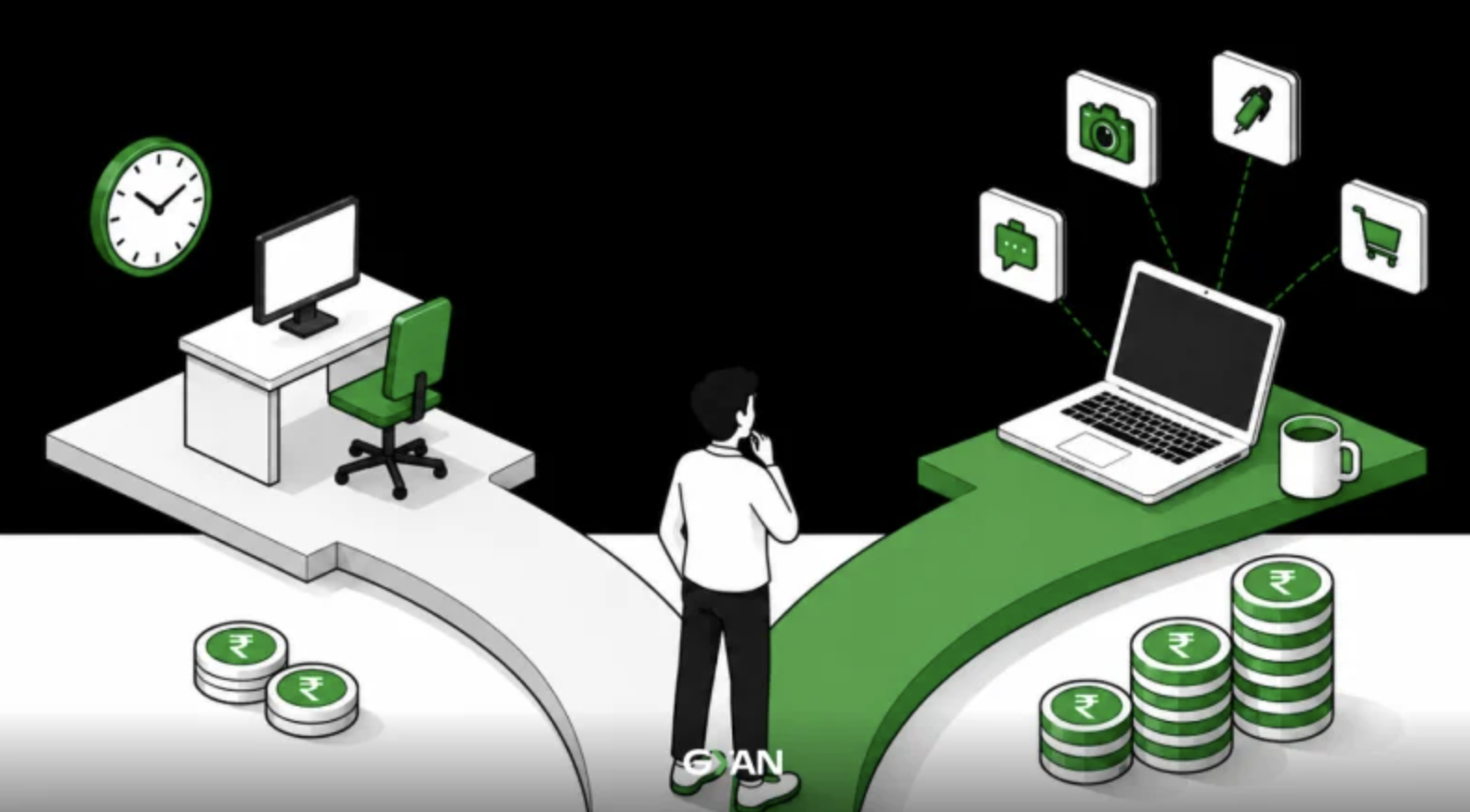
Side hustles were sold as a flexible way to earn a little more, yet for many people the extra work has quietly grown into a second job with no days off. That matters because the strain lands on sleep, relationships and the main job that still pays the bills.
In this article we will explore why side hustles expand, how to spot burnout early, what employers, platforms and households contribute, and which practical steps keep extra income from costing more than it earns.
The side hustle promise has changed
The classic pitch for a side hustle was simple: use a spare evening or weekend to turn a skill or hobby into pocket money. Plenty of people still use it that way, and it can work well when the extra income has a clear purpose and an end date. What has shifted is the context around it. Rising everyday costs, uneven job security and a steady stream of online advice have made the side hustle feel less like a bonus and more like an expected part of adult life.
Social media has played a large role in that shift. Feeds filled with people describing their second income streams create a quiet comparison, and commentators note that the posts rarely show the unpaid hours, the failed ideas or the tiredness behind them. A reader who sees only the success stories may conclude that anyone not hustling is falling behind. That pressure can push people into projects they never wanted, simply because everyone else seems to be doing one.
It helps to separate three motives that often get blended together. Some people hustle because they enjoy the work and want a creative outlet. Others do it to cover a specific gap, such as a debt, a deposit or a seasonal bill. A third group does it because their main income no longer stretches far enough, and for them the hustle is not optional. Burnout risk differs sharply among the three, and being honest about which one applies is the first step toward a sensible plan.
Different kinds of hustle also carry different risks. Work that sells time, such as driving, tutoring or freelance writing, ties income directly to hours, so rest always costs money. Work that sells products, such as crafts or resale, adds storage, shipping and customer service that can swell without warning. Work that builds an audience, such as content creation, can take months or years before it pays anything at all. Knowing which model you are in helps you predict where the hidden hours will appear and what a realistic return looks like.
Extra hours quietly replace rest
A side hustle rarely stays the size it started. A few hours a week becomes a few hours every evening, because early wins feel good and every unanswered message feels like lost money. Because the work usually fits around a main job, it fills the gaps that used to hold rest: lunch breaks, commutes, weekends and the hour before bed. Over weeks, those small gaps add up to a schedule with no real recovery in it.
Several features of side work make this creep easy. Income that depends on effort and availability rewards saying yes to everything, and there is no manager to say that a workload is too heavy. Starting a small business or freelance practice also brings hidden tasks such as invoicing, record keeping, marketing and customer messages, which can take as long as the paid work itself. Many people only notice these hours when they try to count them.
Unlike a regular second job, a self-directed hustle has no built-in end time. A shift finishes when the clock says so, but an online shop, a freelance project or a content account can always be improved a little more. That open-ended quality is exactly what makes it hard to switch off, and it explains why people who are careful about overtime at work can still overwork themselves at home. The absence of a natural stopping point means the limit has to be created on purpose.
A useful exercise is to track the true weekly hours for a month, including admin, travel, waiting and thinking time. Then divide the money earned, after costs, by those hours to see an honest hourly figure. Some people find the result is perfectly fine, while others discover that they are working for less than they would earn from a few extra shifts at the main job. Neither answer is wrong, but both are better known than guessed.
Seasonal and unpredictable demand makes the problem worse. When orders arrive in bursts, people tend to accept everything because they fear the quiet period that may follow. This feast-and-famine pattern trains the mind to treat every free hour as a missed opportunity. A better habit is to decide in advance the maximum workload you will accept in a busy week, and to let the surplus wait or be declined politely. Customers often tolerate longer delivery times more readily than workers expect, provided that they are told clearly at the start.
Technology can help or hurt here. Scheduling tools, automatic replies and templates can reduce the number of small decisions that wear people down. At the same time, notifications on a phone turn every spare moment into a chance to work, and the habit is hard to break. Turning off alerts outside your work windows, or using a separate device or profile for the hustle, restores a clear line between work and rest. It sounds minor, yet it is often the change that makes the biggest difference.
Burnout signs hide behind motivation
Burnout is commonly described as a state of exhaustion linked to prolonged stress, often paired with cynicism about the work and a feeling of reduced effectiveness. In a side hustle, it can be hard to recognize because the person is doing something they chose. Tiredness gets labelled as discipline, and irritation gets labelled as ambition. The warning signs are therefore easy to excuse, especially when the hustle is described as an investment in the future.
Common early signs include dreading messages from customers, losing interest in a project that once felt fun, and relying on caffeine or late nights to keep up. Others are physical, such as poor sleep, frequent headaches or catching every cold that goes around. Some people notice the problem in their main job first, with more mistakes, shorter patience or a sense of going through the motions. Family and friends often spot the change before the person does.
| Warning sign | How it often looks | A small first step |
| Sleep slipping | Working past midnight most nights and waking tired | Set a fixed stop time for hustle work and keep devices out of the bedroom |
| Dread of the work | Putting off messages and resenting new orders | Pause new orders for a week and list the tasks you still enjoy |
| Main job suffering | More errors, lateness or low energy at work | Cut hustle hours first, because the main job protects your steady income |
| Social life shrinking | Cancelling plans to catch up on orders | Block two protected evenings each week before anything else |
| Money not matching effort | Earnings that look small once costs and hours are counted | Work out the real hourly figure and decide whether to raise prices or stop |
The table above is a checklist rather than a diagnosis. Burnout is often described as an occupational phenomenon rather than a medical condition, and similar symptoms can have other causes, including depression, anxiety or physical illness. If low mood, sleeplessness, panic or loss of interest in daily life lasts for more than a couple of weeks, or if you ever feel unsafe, speak with a doctor or a qualified mental health professional. Treat that advice as ordinary maintenance rather than a last resort.
Recovery looks different for different people, but a few principles are widely shared. Sleep, movement, time outdoors, meals eaten without screens and contact with friends are commonly recommended as basic supports against stress. Rest works better when it is a complete break from work-related thinking, rather than an hour of checking messages with the television on. Taking a short, planned pause from the hustle can also reveal whether the exhaustion comes from the workload or from the work itself, which are different problems with different fixes.
Money pressure drives the pace
For many households the main engine behind extra work is not ambition but arithmetic. When housing, food, transport and care costs rise faster than pay, a second source of income becomes a practical response. Observers also point out that pay in some sectors has felt stagnant to workers even when the wider economy looks healthy. In that setting, calling the extra work a passion project can hide the fact that it is a necessity.
Necessity changes the psychology of the hustle. A person who must earn a certain amount cannot easily slow down when tired, because skipping a week has a direct cost. They are also less able to refuse low-paying jobs or difficult clients. This is the point where a side hustle starts to feel like a second job in the full sense, with obligations but without the protections that formal employment can bring.
Those protections are worth naming. Depending on the country, employees may have rights to paid leave, sick pay, minimum pay rates and limits on working time, while self-employed people often carry those risks themselves. A slow month, an illness or a cancelled contract can wipe out the margin that made the hustle worthwhile. Anyone relying on side income for essentials should therefore keep a small buffer, and the rules on all of this vary widely between countries.
Tax is another source of stress that is easy to ignore until it arrives. Extra income is usually reportable, and the rules on registration, allowable costs and payment deadlines differ by country and sometimes by region. Setting aside a portion of each payment in a separate account is a common habit among freelancers, since it avoids a nasty surprise later. For specifics, a qualified accountant or the national tax authority is the right source, not a social media post.
It also helps to treat the earnings with the same care as the hours. Many people spend side income on small things as it arrives, so after a few months there is little to show for the effort. Others forget that costs such as materials, platform fees, travel and equipment come out of the headline figure. Keeping a simple record, even a spreadsheet or notebook, shows the true profit and supports tax reporting later. A modest, steady habit of moving a fixed share into savings or debt repayment makes the work feel worthwhile.
Households feel the strain together
A side hustle is rarely a solo activity in practice. Partners cover dinner or bedtime while someone finishes an order, children learn that a parent is busy again, and spare rooms fill with stock or equipment. Household members often absorb the stress without having agreed to the arrangement. Resentment can build quietly, especially if the income is modest and the cost to family time is high.
Talking about it early helps more than most people expect. A short, regular conversation about what the hustle is for, how much time it takes and when it will be reviewed gives everyone a shared picture. Without it, one person’s plan becomes another person’s workload. It also makes it easier to celebrate progress, because the goal is out in the open instead of implied.
Parents and people who care for relatives often choose side work because its hours can bend around other duties. That flexibility is real, but it can also mean the hustle happens in the leftover minutes between interruptions, which is tiring and slow. Work done in fragments takes longer to produce the same result, so the effective hourly return may be lower than it looks. Being honest about this can prevent disappointment and overcommitment.
Money arrangements deserve a calm discussion too. Couples often differ on whether side income is spending money, savings or part of the shared budget, and unspoken assumptions cause friction. Agreeing in advance what the first earnings will be used for, such as a debt payment or an emergency fund, gives the effort a visible purpose. It also makes it easier to stop once that purpose is met.
Children notice more than adults assume. Young people pick up messages about work, money and rest from how the adults around them behave, and a parent who is always on a screen for the hustle teaches that work has no edges. Where possible, involve older children in age-appropriate ways, such as explaining the goal or letting them help with a simple task, and keep some evenings fully device-free. Small rituals, like a weekly meal with no phones, send a reliable signal that family time is protected. These habits cost little and often matter more than the extra income they might replace.
Employers and platforms shape the load
Employers influence side hustle burnout more than they usually admit. When pay is tight and hours are unpredictable, employees look elsewhere for income, and a second job becomes a quiet subsidy for low wages. Some workplaces also expect constant availability by message, which leaves little energy for anything else. The result is a person who is exhausted before the second job even begins.
Many employment contracts include rules on outside work, such as conflict of interest, use of company time and equipment, or notification duties. These rules differ by employer and by country, so it is wise to read the contract and any staff handbook before starting something that could overlap with the main role. Doing a side hustle on work time or with work resources is a common way to get into trouble. If in doubt, ask human resources or a legal adviser rather than assuming.
Digital platforms shape the load too. Gig and marketplace apps often reward quick replies, high ratings and constant availability, which nudges workers to stay logged in for longer than they planned. Their rating systems can feel like a manager that never sleeps. Commentators note that this design can blur the line between flexible work and being permanently on call, though the experience varies a lot by platform and by person.
Some employers are responding thoughtfully, for example by offering predictable schedules, regular pay reviews and financial wellbeing support. Whether these steps reduce the need for second jobs is still debated, and results will differ between workplaces. Workers can still raise the topic in a pay conversation, since saying that you are covering gaps with outside work is useful information for a manager.
Colleagues and managers can also be allies. Many workers hide their outside work for fear of being judged as less committed, which leaves them isolated with the strain. Where workplaces are open about it, managers can adjust deadlines, share advice on sensible limits or point to employee assistance programs. Not every organization is supportive, so it is worth judging the culture before disclosing more than the contract requires. In any case, never let hustle work spill into the main job’s hours, since that risks the steadier income.
Hype and lasting change are different things
Not everything about the side hustle boom is a passing trend. Having more than one source of income has a long history among farmers, tradespeople, artists and carers, and remote tools have made it easier for office workers to join them. Many people also reasonably want a safety net against a single employer ending their income. That core idea is likely to last.
What looks more like hype is the promise of effortless, passive income. Advice that claims large earnings with little work usually leaves out the setup time, the marketing, the failures and the fact that many ventures earn very little. Courses and communities that sell the dream sometimes make more from their audience than the audience makes from the idea. A good rule is to be wary of any pitch that talks about freedom but is vague about hours and costs.
There is also a cultural question about whether every skill and hobby must be turned into a business. Supporters say that earning from what you enjoy is empowering and can open new careers. Critics say that monetizing every interest removes the rest and play that people need. Both views have merit, and a sensible middle path is to keep at least one activity that has no commercial purpose at all.
Another sign of lasting change is the way small business tools have become cheaper and easier to use. Payment, shipping, scheduling and marketing tasks that once needed an office can now be handled from a phone. That lowers the cost of trying an idea, which is positive, but it also lowers the barrier for competitors, so standing out takes real effort. Observers note that markets for popular hustle types can become crowded quickly, driving prices down. A hustle built on a distinctive skill or local relationships is usually sturdier than one built on following a trend.
Readers can test any hustle idea cheaply before committing. Run a small trial for a few weeks, count every hour, and ask whether the work would still appeal if the payoff were half what you hoped. Talk to people already doing it and ask about the dull parts, not only the highlights. A trial that ends after a set period, with a decision date, protects both time and savings. If the idea fails, that is normal, and the lesson is worth more than staying stuck in something that drains you.
Boundaries keep a hustle from becoming a job
Boundaries work best when they are set before the workload grows. Start by deciding a weekly cap on hours and treat it like a contract with yourself. Choose fixed work windows, such as two evenings and one weekend morning, and keep the rest free of orders and messages. Many people find it easier to hold a limit when it is written down and shared with a partner or friend.
Next, build limits into the business itself. Setting clear response times, closing order books when full, batching similar tasks and using templates for common replies all reduce the constant pull of notifications. Raising prices is a legitimate tool as well, since it can bring in the same income from fewer clients. If demand falls when prices rise, that is useful information about whether the hustle is worth doing.
Finally, build rest into the plan and treat it as part of the work. Take at least one full day a week with no hustle tasks, plan breaks the way you would plan deliveries, and protect sleep before anything else. A quiet season each year is a normal feature of many established small businesses. Rest improves the quality of the work, so it is not wasted time.
It is also worth planning an exit, even if you hope never to use it. Decide ahead of time what would make you stop, such as sleeping fewer hours than you need for several weeks, earning below a chosen hourly figure, or the main job starting to suffer. Write the conditions down, because tired people are poor judges of their own limits. An exit plan can be gentle, like pausing new clients for a season or handing tasks to someone else, and it removes the sense that quitting equals failure. Many people find that having the option makes the work lighter to carry.
Conclusion
Begin with a simple audit this week. Write down every hour spent on the hustle for seven days, the money that came in and the costs that went out. Then note how you feel on a scale from one to ten at the end of each day. Patterns usually show up quickly, and they give you facts to work with instead of vague worry.
Next, decide what the hustle is for and set a review date. If it exists to clear a debt, name the amount and the month. If it exists for enjoyment, name the number of hours that still feel enjoyable. When the goal is reached or the hours exceed the limit, scale back, pause or stop without guilt, because stopping is a valid business decision.
If you notice persistent exhaustion, low mood or trouble sleeping, talk to a doctor. For money and tax questions, a qualified accountant or financial adviser in your country can give advice that general articles cannot. If the hustle is covering necessities, consider looking at the main job too, through a raise conversation, extra training or a move to better paid work. A side hustle should support your life, and when it begins to replace it, that is the moment to change the plan.
Plan the next month in small steps. In week one, do the audit, then in week two set the weekly hour cap, fix the work windows and tell the people who share your home. In week three, review prices, tools and any tasks that could be automated, batched or dropped. In week four, check how you feel, compare the earnings with the hours, and decide whether to continue, adjust or pause. Repeating this short cycle every few months keeps the hustle under review instead of letting it drift.