

Introduction
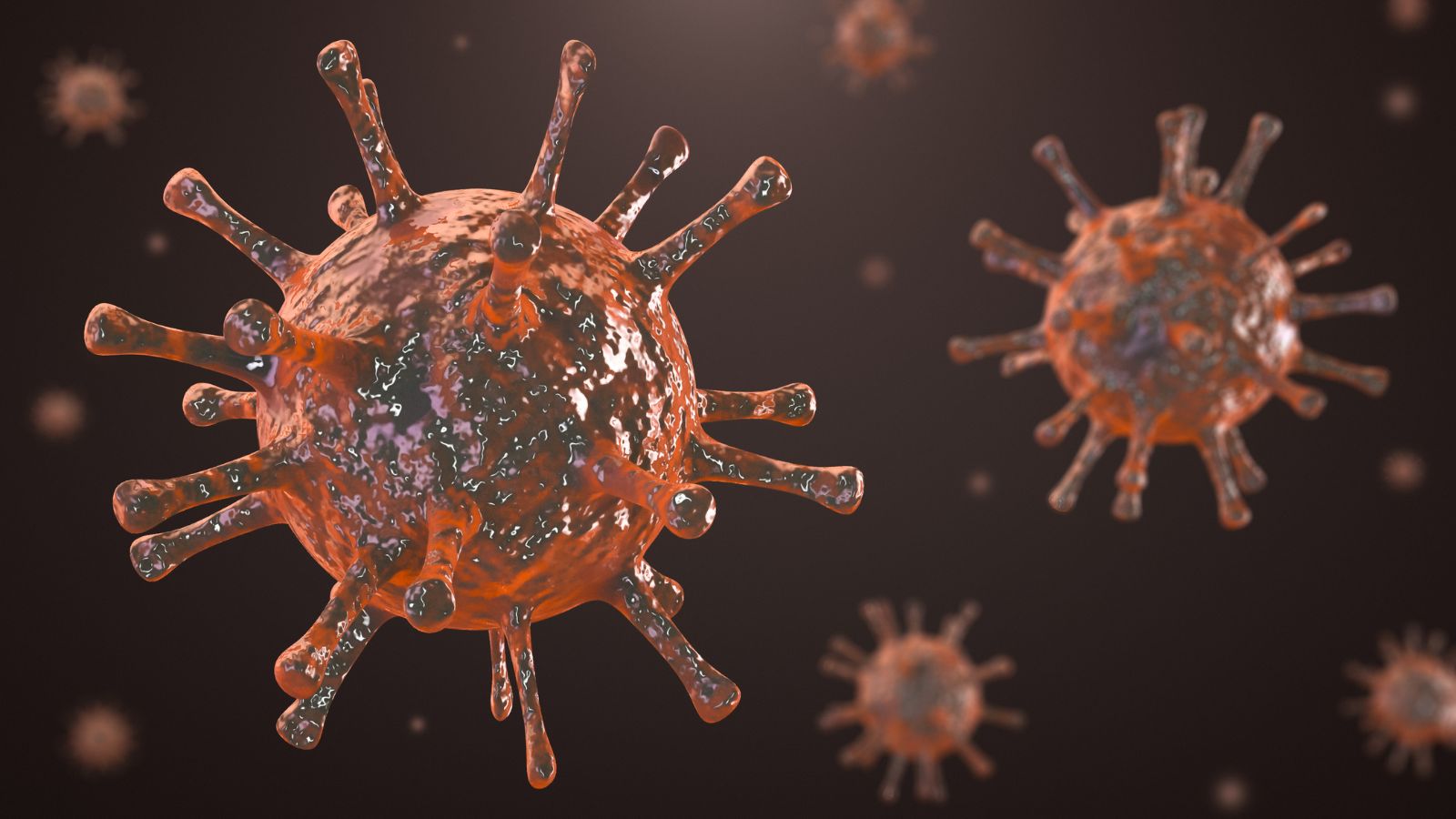
Viruses are among the smallest biological entities known to science, yet they have a profound impact on humans, animals, plants, and even bacteria. These microscopic infectious agents are responsible for many diseases, ranging from the common cold to serious global pandemics.
What Are Viruses?
Viruses are submicroscopic infectious agents that cannot reproduce on their own. They must enter a living host cell and use the cell’s machinery to create new virus particles.
Viruses exist in nearly every environment on Earth and can infect a wide range of organisms, including:
- Humans
- Animals
- Plants
- Fungi
- Bacteria
Their dependence on host cells makes them different from all other forms of life.
The History of Virus Discovery
The study of viruses began in the late nineteenth century when scientists discovered that certain diseases were caused by agents smaller than bacteria.
Major milestones in virology include:
- Discovery of the first known virus affecting plants
- Development of electron microscopy
- Identification of numerous human viruses
- Advances in vaccine technology
- Modern genetic sequencing techniques
These breakthroughs have greatly improved our understanding of viral diseases and their prevention.
How Viruses Differ From Bacteria and Other Microorganisms
Although viruses and bacteria both cause infections, they are fundamentally different.
Viruses
- Cannot reproduce independently
- Require host cells
- Much smaller than bacteria
- Not affected by antibiotics
Bacteria
- Are living single-celled organisms
- Reproduce on their own
- Can survive in various environments
- May be treated with antibiotics
Understanding these differences is important for selecting appropriate treatments and prevention strategies.
Structure and Components of a Virus
Viruses vary in shape and size, but most contain several key components.
Genetic Material
A virus carries genetic instructions in the form of DNA or RNA.
Protein Coat
Known as a capsid, this protective shell surrounds the genetic material.
Lipid Envelope
Some viruses possess an outer membrane that helps them enter host cells.
Surface Proteins
These proteins enable viruses to attach to and infect specific cells.
Together, these components allow viruses to invade hosts and replicate successfully.
How Viruses Reproduce Inside Host Cells
Viruses cannot reproduce independently. Instead, they follow a series of steps within a host cell.
Attachment
The virus attaches to a suitable host cell.
Entry
The virus enters the cell and releases its genetic material.
Replication
The host cell produces viral components.
Assembly
New virus particles are assembled.
Release
New viruses leave the host cell and infect additional cells.
This process enables viral infections to spread throughout the body.
Types of Viruses and Their Classification
Scientists classify viruses based on several factors.
DNA Viruses
Contain DNA as their genetic material.
RNA Viruses
Contain RNA instead of DNA.
Enveloped Viruses
Possess an outer lipid membrane.
Non-Enveloped Viruses
Lack an external envelope.
Viruses may also be classified according to the organisms they infect.
Common Human Viruses and the Diseases They Cause
Many viruses affect human health.
Examples include:
- Influenza viruses
- Coronaviruses
- Rhinoviruses
- Hepatitis viruses
- Human papillomavirus (HPV)
- Measles virus
- Chickenpox virus
These viruses can cause illnesses ranging from mild infections to serious medical conditions.
How Viruses Spread From One Host to Another
Viruses use various transmission methods.
Airborne Transmission
Virus-containing droplets travel through the air.
Direct Contact
Physical contact with infected individuals can spread viruses.
Contaminated Surfaces
Touching contaminated objects may lead to infection.
Food and Water
Some viruses spread through contaminated food or water sources.
Insect Vectors
Mosquitoes and other insects can transmit certain viral diseases.
Understanding transmission routes helps reduce infection risks.
Symptoms of Viral Infections
Symptoms vary depending on the virus involved.
Common symptoms include:
- Fever
- Fatigue
- Cough
- Sore throat
- Headache
- Muscle aches
- Digestive problems
Some viral infections may produce mild symptoms, while others can become severe.
How the Immune System Responds to Viruses
The immune system serves as the body’s primary defense against viral infections.
When a virus enters the body, the immune system:
- Identifies foreign invaders
- Produces antibodies
- Activates immune cells
- Eliminates infected cells
- Creates immune memory
This response helps protect against future infections by the same virus.
Diagnosis and Testing for Viral Diseases
Accurate diagnosis is important for managing viral infections.
Healthcare professionals may use:
- Physical examinations
- Laboratory testing
- Blood tests
- Genetic testing
- Imaging studies
Modern diagnostic technologies allow many viral diseases to be identified quickly and accurately.
Treatments Available for Viral Infections
Treatment options depend on the specific virus and severity of illness.
Supportive Care
Many viral infections improve with rest, hydration, and symptom management.
Antiviral Medications
Certain drugs can slow viral replication and reduce disease severity.
Hospital Care
Severe infections may require specialized medical treatment.
Unlike bacterial infections, viral illnesses generally do not respond to antibiotics.
The Importance of Vaccines in Preventing Viruses
Vaccines are among the most effective tools for preventing viral diseases.
Vaccination helps:
- Reduce infection risk
- Prevent severe illness
- Protect vulnerable populations
- Support public health efforts
- Control disease outbreaks
Many major viral diseases have been significantly reduced through successful vaccination programs.
Emerging Viruses and Global Health Challenges
New viruses continue to emerge due to factors such as:
- Global travel
- Environmental changes
- Population growth
- Human-animal interactions
Scientists and public health organizations monitor emerging threats to improve preparedness and response efforts.
Research remains essential for identifying and controlling future outbreaks.
How to Protect Yourself From Viral Infections
Several practical measures can reduce the risk of infection.
Maintain Good Hygiene
Regular handwashing helps prevent the spread of viruses.
Stay Up to Date on Vaccinations
Vaccines provide protection against many viral diseases.
Avoid Close Contact With Sick Individuals
Limiting exposure reduces transmission risk.
Follow Public Health Guidance
Health recommendations are designed to protect individuals and communities.
Maintain a Healthy Lifestyle
A strong immune system supports overall health and resilience.
Frequently Asked Questions About Viruses
Are viruses living organisms?
Viruses occupy a unique position in biology because they cannot reproduce independently and require host cells to function.
Can antibiotics kill viruses?
No. Antibiotics target bacteria and are ineffective against viral infections.
How do vaccines work?
Vaccines train the immune system to recognize and respond to specific viruses before infection occurs.
Why do viruses mutate?
Viruses naturally change over time through genetic mutations, which can influence transmission and immunity.
Conclusion
Viruses are fascinating yet potentially harmful infectious agents that affect nearly every form of life on Earth. Although they cannot reproduce independently, their ability to invade host cells makes them highly successful biological entities.