

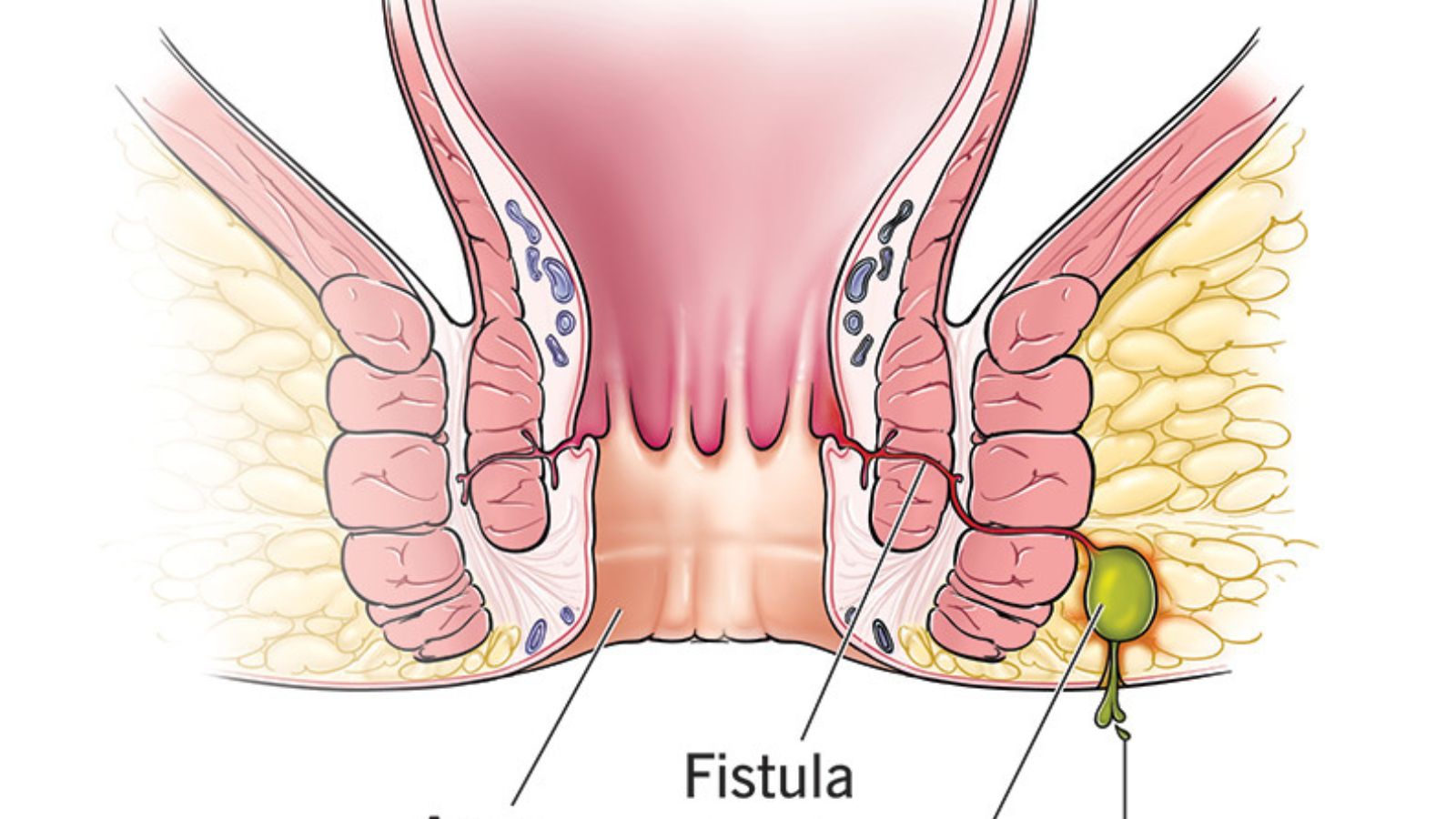
The human body is an intricate system of organs, tissues, and vessels that work together in a highly organized manner. Each structure has a specific role, and their connections are carefully designed to maintain health and function. However, when abnormal connections form between parts of the body that are not meant to be linked, complications can arise. One such condition is Fisila, more commonly known in medical terminology as a Fistula.
A fisila refers to an abnormal, tube-like passageway that develops between two organs, blood vessels, or between an internal organ and the surface of the skin. While it may sound like a rare or unusual condition, fistulas can occur in various parts of the body and are often associated with underlying بیماری (disease), injury, or infection.
What Is a Fisila (Fistula)?
A fisila is essentially a pathological connection that bypasses normal anatomical pathways. In a healthy body, organs and systems are separated by tissues that regulate how substances move from one area to another. When a fistula forms, it creates an unintended shortcut.
For example, a fistula may connect the intestine to the skin, causing digestive contents to leak externally. In other cases, it may link two blood vessels, altering normal blood flow. These abnormal connections can disrupt bodily functions and lead to a range of symptoms depending on their location.
Types of Fistulas
Fistulas can develop in different areas of the body, and their classification depends on where they occur. Some of the most common types include:
1. Gastrointestinal Fistulas
These occur within the digestive system. For instance, an abnormal connection may form between different parts of the intestines or between the intestine and the skin. Such fistulas can interfere with digestion and nutrient absorption.
2. Anal Fistulas
An anal fistula is a small tunnel that forms between the end of the bowel and the skin near the anus. It is often associated with infections or abscesses and can cause discomfort and drainage.
3. Arteriovenous Fistulas
These involve a direct connection between an artery and a vein. While some are intentionally created for medical treatments such as dialysis, abnormal ones can disrupt normal blood circulation and lead to complications.
4. Urinary Tract Fistulas
These occur between parts of the urinary system or between the urinary tract and other organs. They can lead to leakage of urine and recurrent infections.
Each type of fistula presents unique challenges, but all share the common feature of abnormal communication between body structures.
Causes of Fisila
Fisilas can develop due to a variety of reasons. Some of the most common causes include:
- Infections: Severe infections can lead to tissue damage and abscess formation, which may eventually create a fistula.
- Inflammatory diseases: Conditions such as Crohn’s disease are known to increase the risk of fistula formation, particularly in the digestive tract.
- Surgery or trauma: Surgical procedures or injuries may inadvertently create pathways that develop into fistulas.
- Radiation therapy: Treatment for certain cancers can damage tissues, leading to abnormal connections.
- Childbirth complications: In some cases, prolonged or difficult labor can result in fistulas, especially in regions with limited access to medical care.
Understanding the underlying cause is essential for effective treatment and prevention of recurrence.
Symptoms and Warning Signs
The symptoms of a fisila vary depending on its location and severity. However, some common signs include:
- Persistent drainage of fluid, pus, or blood
- Pain or discomfort in the affected area
- Swelling or redness
- Fever in cases of infection
- Unusual leakage, such as stool or urine from unexpected areas
For example, an anal fistula may cause pain during sitting or bowel movements, while a urinary fistula may result in continuous leakage of urine. These symptoms can significantly affect a person’s quality of life and should not be ignored.
Diagnosis and Medical Evaluation
Diagnosing a fisila requires careful medical evaluation. Doctors may begin with a physical examination and review of symptoms. In many cases, imaging techniques are used to identify the location and extent of the fistula.
Common diagnostic methods include:
- Ultrasound
- MRI scans
- CT scans
- Endoscopy
These tools helpطباء (doctors) visualize the abnormal connection and determine the best course of treatment.
Treatment Options
The treatment of a fisila depends on its type, cause, and severity. In some cases, small fistulas may heal on their own with proper care, but many require medical intervention.
1. Medications
Antibiotics may be prescribed to treat infections, while anti-inflammatory drugs can help manage underlying conditions like Crohn’s disease.
2. Surgical Treatment
Surgery is often necessary to close the fistula and restore normal anatomy. Procedures may involve removing the fistula tract, repairing damaged tissue, or creating a new pathway for bodily functions.
3. Minimally Invasive Techniques
Advances in medical technology have introduced less invasive methods, such as the use of plugs, glues, or laser treatments to seal the fistula.
4. Supportive Care
Proper wound care, nutrition, and hygiene are essential components of recovery. Patients may also require ongoing monitoring to prevent recurrence.
Complications and Risks
If left untreated, fisilas can lead to serious complications. These may include chronic infections, tissue damage, and systemic issues such as sepsis. In some cases, long-term fistulas can significantly impair organ function.
The psychological impact should not be overlooked either. Living with a fistula can be distressing, affecting a person’s confidence, social life, and overall well-being.
Prevention and Awareness
While not all fistulas can be prevented, certain measures can reduce the risk. Early treatment of infections, proper management of chronic diseases, and access to quality healthcare are key factors.
Raising awareness is also important. Many people delay seeking treatment due to embarrassment or lack of knowledge. Educating communities about the condition can encourage timely medical attention and improve outcomes.
The Importance of Medical Care
Fisila is a medical condition that requires professional attention. Self-treatment or ignoring symptoms can lead to worsening complications. Consulting a qualified healthcare provider ensures accurate diagnosis and appropriate treatment.
In regions with limited healthcare access, fistulas—especially those related to childbirth—remain a significant challenge. Efforts to improve medical infrastructure and provide education are crucial in addressing this issue.
Conclusion
Fisila, or fistula, is a complex condition that highlights the أهمية (importance) of the body’s structural integrity. When abnormal connections form, they can disrupt normal functions and lead to a range of physical and emotional challenges.