
Modern manufacturing industries constantly seek faster, stronger, and more environmentally friendly coating solutions. One technology that has gained significant popularity over the years is Uvlack. Known for its rapid curing capabilities and excellent protective properties, Uvlack has become a preferred coating solution across numerous industries, including printing, packaging, furniture, automotive, electronics, and industrial manufacturing.
What Is Uvlack?
Uvlack is a UV-curable coating or varnish designed to provide surface protection, enhanced appearance, and improved durability. The term is commonly associated with clear coatings used in industrial and commercial applications where fast production speeds and high-quality finishes are required.
Once applied to a surface, the coating remains in liquid form until exposed to ultraviolet light. UV energy initiates a rapid curing process that hardens the coating almost instantly.
This technology allows manufacturers to significantly reduce production times while achieving consistent results.
How UV-Curable Coatings Work
Traditional coatings typically cure through evaporation or heat-based drying processes. UV-curable coatings operate differently.
The process generally follows these steps:
- Application of the liquid coating.
- Exposure to ultraviolet light.
- Activation of special chemical compounds.
- Rapid polymerization reaction.
- Formation of a durable protective layer.
Because curing occurs almost instantly, production lines can move much faster than with conventional finishing methods.
The Science Behind UV Light Curing
The effectiveness of Uvlack comes from a process known as photopolymerization.
During this reaction:
- UV light activates photoinitiators within the coating.
- Activated photoinitiators generate reactive molecules.
- These molecules trigger cross-linking between coating components.
- The liquid coating transforms into a solid protective film.
The entire process can occur within seconds, making UV-curable coatings one of the fastest finishing technologies available.
Key Components of Uvlack
Several specialized ingredients contribute to the performance of UV-curable coatings.
Oligomers
Oligomers form the backbone of the coating and determine key properties such as flexibility, hardness, and chemical resistance.
Monomers
Monomers help control viscosity and participate in the curing process.
Photoinitiators
Photoinitiators absorb UV light and trigger the chemical reaction responsible for curing.
Additives
Various additives may be included to improve:
- Gloss levels
- Scratch resistance
- Adhesion
- Weather resistance
- UV stability
Together, these components create a high-performance coating system.
Benefits of Using Uvlack Coatings
One of the primary reasons manufacturers adopt UV-curable coatings is the wide range of advantages they offer.
Instant Curing
Perhaps the biggest advantage is the extremely fast curing speed.
Improved Productivity
Manufacturers can process more products in less time.
Excellent Surface Protection
Uvlack creates a durable protective layer that resists scratches, chemicals, and wear.
High Gloss and Clarity
Many UV coatings produce attractive finishes with exceptional visual appeal.
Consistent Results
Controlled curing conditions help ensure uniform product quality.
Reduced Energy Consumption
Compared to heat-based curing methods, UV curing often requires less energy.
Uvlack vs Traditional Varnishes and Coatings
When comparing Uvlack to conventional coatings, several important differences become apparent.
Drying Time
Traditional coatings may require minutes, hours, or even days to fully cure.
Uvlack cures within seconds.
Production Efficiency
UV-curable systems allow much faster manufacturing speeds.
Durability
Many UV coatings offer superior resistance to abrasion and chemicals.
Environmental Impact
UV coatings typically release fewer volatile organic compounds (VOCs) than some traditional alternatives.
These advantages explain why UV technology continues to gain market share across multiple industries.
Common Applications of Uvlack in Manufacturing
Uvlack is used in a wide variety of industrial applications.
Common examples include:
- Furniture finishing
- Wood coatings
- Plastic components
- Metal products
- Consumer electronics
- Automotive parts
- Industrial equipment
Its versatility makes it suitable for both decorative and protective purposes.
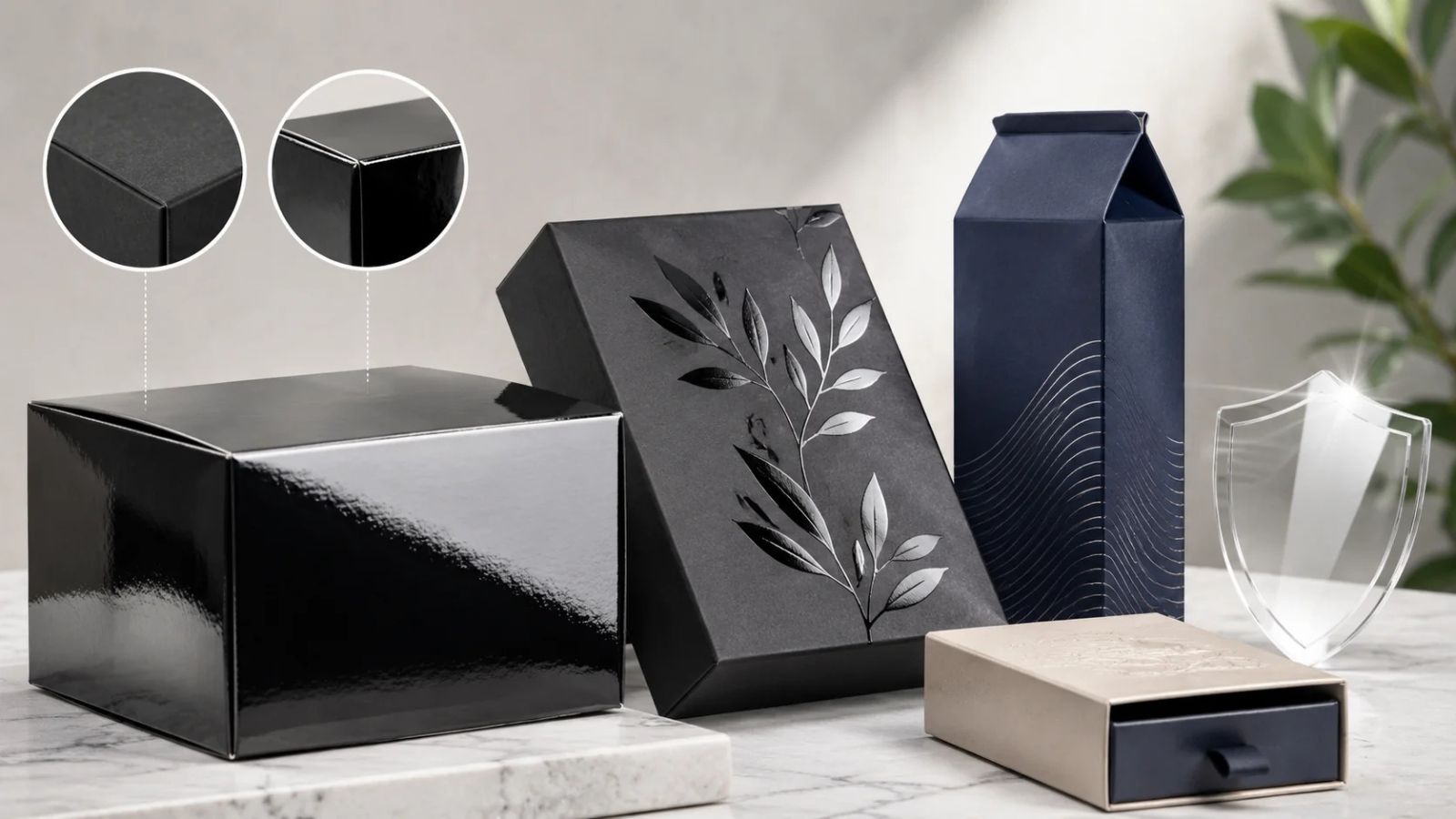
Uvlack in the Printing and Packaging Industry
One of the largest applications of UV-curable coatings is the printing and packaging sector.
Packaging manufacturers use Uvlack to enhance:
Product Appearance
High-gloss coatings help products stand out on retail shelves.
Durability
Protective coatings reduce damage during transportation and handling.
Print Quality
UV coatings can improve color vibrancy and visual impact.
Brand Presentation
Premium packaging often relies on UV finishes to create a more luxurious appearance.
The rapid curing process also supports high-speed commercial printing operations.
How Uvlack Improves Surface Protection
Protective performance is one of the main reasons businesses choose UV-curable coatings.
Benefits include resistance to:
- Scratches
- Abrasion
- Chemicals
- Moisture
- Stains
- General wear and tear
These protective qualities help extend product life while maintaining aesthetic appeal.
Industries That Rely on UV-Curable Coatings
Numerous industries depend on UV-curable technologies.
Furniture Industry
Wood furniture manufacturers use UV coatings to achieve durable and attractive finishes.
Automotive Industry
Vehicle components often receive UV-cured coatings for protection and appearance.
Electronics Industry
Electronic devices benefit from scratch-resistant protective coatings.
Packaging Industry
Packaging producers rely heavily on UV coatings for visual enhancement and durability.
Industrial Manufacturing
Many industrial products use UV-cured finishes to improve performance and longevity.
Environmental Benefits of Uvlack Technology
Sustainability has become an important priority for modern manufacturers.
UV-curable coatings offer several environmental advantages.
Lower VOC Emissions
Many UV formulations contain fewer volatile organic compounds than traditional coatings.
Reduced Waste
Fast curing minimizes material loss during production.
Energy Efficiency
UV curing often consumes less energy than heat-based drying methods.
Cleaner Production Processes
Manufacturers can achieve high-quality finishes while reducing environmental impact.
These benefits contribute to the growing popularity of UV technology worldwide.
Challenges and Limitations of Uvlack
Despite its many advantages, Uvlack is not without challenges.
Initial Equipment Costs
UV curing systems can require significant upfront investment.
Surface Compatibility
Some materials may require special preparation before coating.
UV Exposure Requirements
Proper curing depends on adequate UV light exposure.
Specialized Formulations
Different applications often require carefully customized coating formulations.
Organizations must evaluate these factors before implementing UV-curable technologies.
Best Practices for Applying Uvlack
Successful application requires proper process control.
Surface Preparation
Clean surfaces ensure better coating adhesion.
Correct Coating Thickness
Applying the appropriate film thickness improves performance.
Proper UV Exposure
Adequate curing energy is essential for optimal results.
Equipment Maintenance
Regular maintenance helps maintain consistent coating quality.
Quality Testing
Routine inspections verify curing effectiveness and durability.
Following these practices helps maximize coating performance.
Future Trends in UV-Curable Coating Technology
The UV-coating industry continues to evolve as technology advances.
Emerging trends include:
LED UV Curing
LED systems offer improved energy efficiency and longer equipment life.
Sustainable Formulations
Manufacturers are developing more environmentally friendly coating chemistries.
Smart Manufacturing Integration
Automated systems improve quality control and production efficiency.
Advanced Performance Coatings
New formulations provide enhanced durability and specialized properties.
These innovations are expected to drive continued growth in the UV-curable coatings market.
Is Uvlack the Right Coating Solution for Your Needs?
Whether Uvlack is the best solution depends on your specific application requirements.
It may be ideal for organizations seeking:
- Fast production speeds
- Durable protective finishes
- High-quality appearance
- Reduced energy consumption
- Improved manufacturing efficiency
Businesses operating in high-volume production environments often experience the greatest benefits from UV-curable technologies.
Conclusion
Uvlack represents one of the most advanced coating technologies available today. By utilizing ultraviolet light to achieve nearly instant curing, it provides manufacturers with a faster, more efficient, and highly durable alternative to traditional varnishes and coatings.