

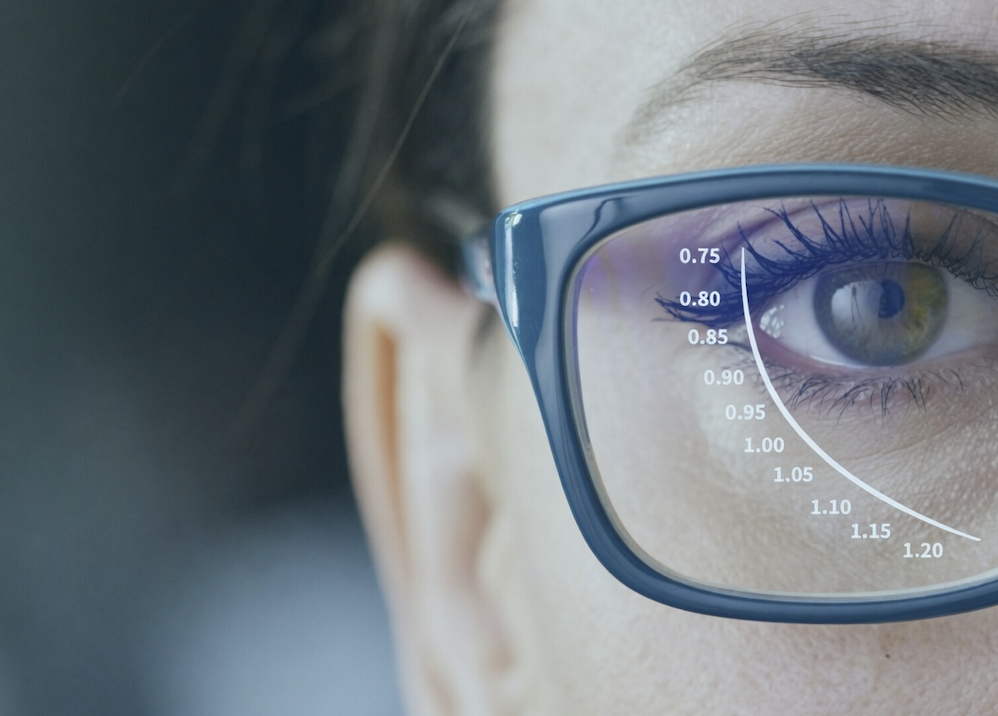
Have you ever stopped in the middle of reading because the words felt like they were sliding off the page? Do you catch yourself closing one eye while scrolling your phone, or tilting your head to make a street sign look “normal”? Maybe you drive just fine but never feel fully relaxed behind the wheel, as if the lanes shift a hair to the left every few seconds. If those questions hit home, your eyes might be fighting a silent civil war known as binocular vision dysfunction, or BVD.
What follows is a deep dive, about sixteen hundred words into how this mismatch between two healthy eyes can drain your focus, spark mysterious headaches, and quietly rewrite your daily routine. We will explore causes, symptoms, modern treatments, and frequently asked questions so you can decide whether it is time to book an appointment with a binocular-vision specialist.
What Exactly Is Binocular Vision Dysfunction?
Binocular simply means both eyes working together. In perfect teamwork, the eyes aim at the same spot, the brain fuses both images, and you experience crisp single vision plus reliable depth perception. In BVD, the aiming system is a tad off. One eye may drift a millimeter higher or outward. The gap is tiny, often invisible to friends and even to many standard eye-charts, yet big enough that your visual cortex must hustle to stitch two misaligned pictures into one. That nonstop hustle is where trouble begins.
Key Points in Plain Language
• Each eye can test 20/20, but the pair does not line up seamlessly.
• The brain compensates by flexing extra neural muscle every waking minute.
• Over months or years, that compensation turns into headaches, dizziness, reading fatigue, or unexplained anxiety in busy visual environments like malls or highways.
Common Signs You Might Chalk Up to Something Else
Most BVD sufferers pass a routine exam and leave with, “Your vision is fine.” They then blame symptoms on stress or too much screen time. Below is a run-through of red flags you may recognize:
• Achy temples or eye-socket pressure after scrolling or studying.
• Intermittent double images. Sometimes letters look stacked; other times they merge instantly.
• Dizziness, mild nausea, or a vague rocking sensation, especially in grocery aisles or while riding as a passenger.
• Words that jump, overlap, or shimmer during extended reading.
• Shoulder tightness or forward-jutting head posture while working at a desk.
• Sensitivity to bright lights or fast camera cuts in movies.
• Mental fatigue that feels out of proportion to the task at hand.
One or two of these can arise from ordinary life. When several line up day after day, BVD deserves a spot on your diagnostic radar.
Why Typical Eye Exams Miss the Mark
Traditional optometry focuses on clarity: can you read row seven of the chart? It rarely tests subtle alignment or eye-muscle teamwork, and therefore rarely captures micro-strabismus or small heterophorias that produce binocular strain. Without specialized lenses, cover tests, or computerized alignment tools, BVD hides in plain sight. Patients then adapt by:
• Leaning closer.
• Covering one eye.
• Taking frequent breaks without knowing why.
These coping tricks help in the short term but can reinforce neck pain, poor posture, and chronic fatigue over the years.
What Is Happening Behind Those Symptoms?
In non-scientific language, imagine two smartphone cameras filming the same scene from slightly different angles. Software fuses the feeds into a single 3D image. If one phone drifts, that software must stretch or rotate frames to keep everything overlapped. Your visual cortex performs a similar miracle hundreds of times per second. This constant effort spikes neural load, which cascades into physical and cognitive exhaustion.
Misaligned eyes also scramble depth perception. You might misjudge a parking spot, knock over a coffee mug, or feel wobbly on stairs. Again, the shift is subtle, so many folks blame clumsiness rather than a vision mismatch.
Everyday Life With BVD: Small Frustrations, Big Impact
• Driving: Highway lines shimmer just enough to erode confidence.
• Classroom or Office Work: Tiny print and fluorescent lighting trigger eye burn within minutes.
• Reading for Pleasure: A single chapter feels like a marathon.
• Crowded Public Spaces: Visual chaos floods the brain; you leave early feeling drained.
• Sports or Gym: Tracking a ball, judging spatial distance, or balancing on equipment becomes harder than it should be.
Over time, these discomforts can chip away at productivity, hobbies, and social ease. Many people retreat into more solitary or low-vision tasks without realizing why.
Root Causes: Why Eyes Slip Out of Sync
- Developmental Variations: Small muscular imbalances from childhood might stay mild until screen-heavy adult life magnifies them.
- Concussions or Head Injuries: Trauma can jolt ocular muscles or nerve pathways, even when eyesight clarity returns.
- Prolonged Near Work: Years spent glued to monitors can alter ocular focusing and alignment patterns.
- Age-Related Muscle Changes: Like other muscles, those controlling the eyes can weaken or tighten unevenly over decades.
In some patients, no single trigger surfaces. Genetic wiring or gradual adaptation may play invisible roles.
Hope on the Horizon: Modern BVD Treatments
The goal is straightforward: help the eyes aim together so the brain can relax. Treatment plans usually blend three ingredients.
Precision Prism Lenses
Unlike regular glasses that correct nearsightedness or farsightedness, prism lenses bend light upward, downward, or sideways so that images land where both eyes naturally converge. The shift can be as tiny as a half-diopter yet provide profound relief. Most patients experience calmer vision within days.
Office and Home Vision Therapy
Think of guided workouts, eye-tracking drills, convergence exercises, and virtual-reality programs that retrain muscles and coordination. Sessions might happen weekly with daily homework via apps or specialized charts. Research shows neuroplastic changes in as little as eight to twelve weeks.
Lifestyle and Ergonomic Upgrades
• Taking screen breaks every twenty minutes.
• Raising monitors to avoid chin tilt.
• Using matte screen filters to cut glare.
• Improving desk lighting and chair support.
• Practicing mindful posture resets throughout the day.
These tweaks reduce strain on the newly aligned system.
Real World Comments From Patients
“I thought caffeine was causing my headaches. Turns out my eyes were misaligned by less than a degree.”
“First time in years I read an entire magazine without nodding off.”
“I used to dread grocery shopping. With the prism glasses, aisles don’t spin anymore.”
While every case varies, the trend is clear: once alignment improves, people suddenly grasp how much background tension they were carrying.
Action Steps if the Story Sounds Familiar
- Track Your Symptoms: Keep a daily note for one week: headache times, reading tolerance, dizziness episodes. Patterns help clinicians.
- Book a Specialized Exam: Mention suspected binocular vision dysfunction so the office blocks adequate testing time.
- Ask About Prism Trial: Some clinics offer immediate lens demos so you can sense relief in the office.
- Commit to Follow Ups: Fine-tuning prescriptions or therapy plans is normal. Quick fixes can fade; long-term alignment holds when therapy and lens adjustments progress hand in hand.
- Revamp Your Workspace: Even before diagnosis, lift the monitor, dim overhead glare, and schedule micro-breaks. These habits help almost everyone and prime you for better results.
Closing Reflection: Regaining Invisible Ease
Sight is meant to feel effortless. When coordination falters, the whole world seems slightly off-axis, yet you might go years without naming the culprit. Binocular vision dysfunction hides behind ordinary tasks, asking your brain for small favors until those favors pile into fatigue, headaches, and subtle anxiety. The beauty of modern neuro-optometry is that it exposes the issue and offers targeted routes back to comfort: light-bending prism lenses, eye-brain workouts, and smarter daily ergonomics.
If the symptoms above echo your own story or someone you love, do not chalk them up to stress alone. Seek a professional who can test eye teamwork, not just clarity. You may discover that the nagging sense of “something’s not right” is simply two eyes asking to sync up. And once they do, pages settle, roads straighten, and life regains the invisible ease most people enjoy without a second thought.
Frequently Asked Questions
What specialist should I see if I suspect BVD?
Search for an optometrist or ophthalmologist who lists binocular vision, neuro-optometry, or vision therapy among core services. They use tests like cover-uncover, Maddox rod, or computerized eye-tracking to detect micro-misalignments.
Can children develop BVD?
Absolutely, Kids may show as poor readers, restless students, or “clumsy” athletes. Early intervention often prevents academic or confidence setbacks.
Will regular glasses fix the problem?
Standard prescriptions sharpen clarity but do not correct alignment. If misalignment is small, conventional lenses may hide the issue, leading to ongoing strain.
Are prism lenses permanent?
Some people wear them long term; others use them temporarily while vision therapy strengthens alignment muscles. Your provider revisits the prescription as coordination improves.
How quickly will vision therapy help?
Mild cases sometimes notice progress within weeks. More complex cases can take months, similar to rehabbing a sports injury. Consistent home practice accelerates gains.
Does insurance cover BVD treatment?
Coverage varies. Medical plans sometimes reimburse neuro-optometric exams and therapy when coded under binocular vision disorders or post-concussion rehab. Prism lenses may fall under optical benefits. Always verify before starting.
Can BVD return after successful treatment?
Relapse is rare if patients maintain periodic checkups, follow ergonomic habits, and perform occasional tune-up exercises. Sudden head injuries can, of course, reintroduce symptoms, in which case re-evaluation is warranted.