

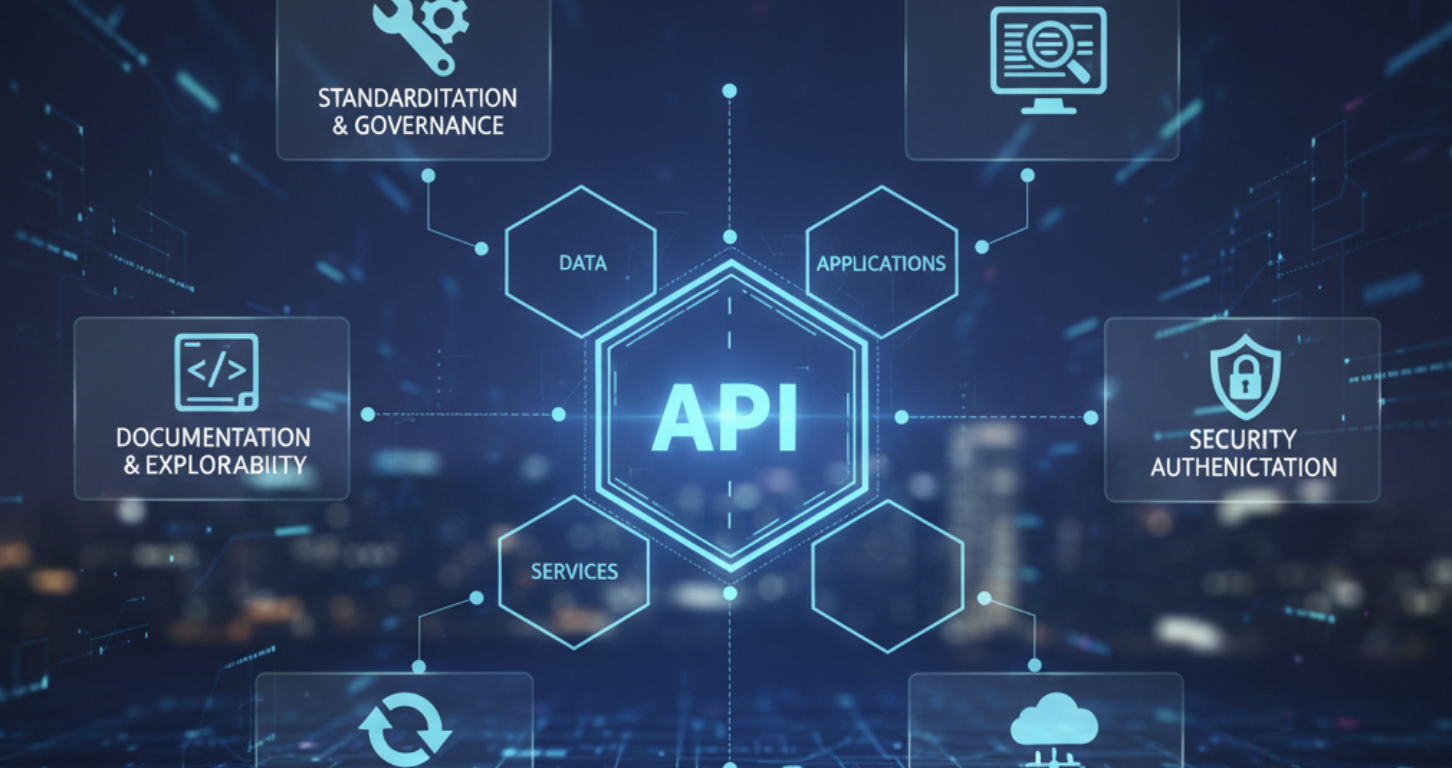
Imagine building a digital empire where every app, service, and platform communicates flawlessly, moving data at lightning speed without a single hiccup. That is the undeniable power of mastering API development. In today’s hyper-connected world, APIs are no longer just hidden lines of code; they are the lifeblood of innovation, the invisible bridges that turn isolated software into sprawling, global ecosystems.
If you are ready to stop wrestling with clunky integrations and start crafting high-performance systems that scale effortlessly, you hold the blueprint in your hands. These 15 powerful strategies are more than just technical best practices; they are your launchpad to building software that dominates the market, earns user trust, and stands the test of time. Let’s turn your vision into an unstoppable reality and build APIs that don’t just work, but truly lead the way.
What is API-First Development?
API-first development is a modern approach where APIs are designed before writing any application code. Instead of treating APIs as an afterthought, this method places them at the center of system architecture. In simple terms, the API becomes the foundation of your software.
This strategy ensures that every service, application, or system communicates seamlessly. Whether it’s a mobile app, web platform, or third-party integration, everything connects through well-defined APIs.
Why API-First is Gaining Popularity
There’s no denying it API-first development is taking over the tech world. And honestly, it makes sense. Businesses today need speed, flexibility, and scalability.
Here’s why it’s trending:
- Companies are building multi-platform applications
- Cloud-native architectures demand modular design
- Teams are distributed and need better collaboration tools
According to insights shared on platforms like Wikipedia, APIs have become the backbone of modern software ecosystems, enabling seamless data exchange and integration across services.
Core Principles of API-First Development
Design Before Implementation
In API-first development, design comes first—always. Developers use tools like OpenAPI specifications to define endpoints, request formats, and responses before coding begins.
This approach reduces confusion and ensures alignment across teams.
Consistency and Standardization
Consistency is key. When APIs follow standard naming conventions and structures, they become easier to use and maintain.
For example:
| Element | Best Practice |
|---|---|
| Endpoints | Use nouns instead of verbs |
| Responses | Standard JSON formats |
| Status Codes | Follow HTTP standards |
Developer-Centric Approach
APIs are built for developers. So, usability matters a lot. Clear documentation, predictable behavior, and easy testing tools make APIs more effective.
Benefits of API-First Development

Improved Scalability
API-first systems are inherently scalable. Since components are decoupled, you can scale individual services without affecting the entire system.
Faster Time to Market
Because teams can work in parallel—frontend and backend—projects move faster. This reduces development cycles significantly.
Enhanced Collaboration
API contracts act as a shared language between teams. Designers, developers, and stakeholders can all understand system behavior without deep technical knowledge.
API Design Best Practices
REST vs GraphQL
Choosing between REST and GraphQL depends on your needs:
| Feature | REST | GraphQL |
|---|---|---|
| Flexibility | Limited | High |
| Performance | Moderate | Optimized |
| Complexity | Simple | Advanced |
Versioning Strategies
Versioning ensures backward compatibility. Common approaches include:
- URI versioning (
/v1/users) - Header versioning
- Query parameters
Security Considerations
Security is critical in API-first development. Key practices include:
- Authentication (OAuth 2.0, JWT)
- Rate limiting
- Encryption (HTTPS)
Tools and Technologies for API-First
API Gateways
API gateways act as a single entry point. They handle:
- Routing
- Authentication
- Rate limiting
Documentation Tools
Good documentation is everything. Tools like Swagger help create interactive API docs.
Testing Tools
Testing ensures reliability. Popular tools include:
- Postman
- Insomnia
- Automated test suites
Building High-Performance Systems

Microservices Architecture
API-first development fits perfectly with microservices. Each service is independent and communicates via APIs.
Benefits include:
- Fault isolation
- Independent scaling
- Faster deployments
Caching Strategies
Caching improves performance by reducing server load.
Common methods:
- Client-side caching
- Server-side caching
- CDN usage
Load Balancing
Load balancing distributes traffic evenly across servers, ensuring high availability and performance.
Common Challenges and Solutions
Integration Issues
Sometimes APIs don’t integrate smoothly. This can be solved by:
- Using standardized formats
- Clear documentation
Security Risks
APIs are exposed endpoints, making them vulnerable. Regular audits and monitoring are essential.
Maintenance Complexity
As systems grow, managing APIs becomes harder. Version control and proper governance help reduce complexity.
Future of API-First Development
AI Integration
APIs are increasingly being used to integrate AI services, making systems smarter and more responsive.
Serverless APIs
Serverless architecture reduces infrastructure management, allowing developers to focus on code.
Edge Computing
Edge computing brings data processing closer to users, improving performance and reducing latency.
FAQs
1. What is API-first development?
API-first development is a methodology where APIs are designed before application code to ensure consistency and scalability.
2. Why is API-first important?
It improves collaboration, speeds up development, and creates scalable systems.
3. Is API-first suitable for small projects?
Yes, especially if future scaling or integrations are expected.
4. What tools are used in API-first development?
Common tools include Swagger, Postman, and API gateways.
5. How does API-first improve performance?
It enables modular architecture, caching, and efficient data handling.
6. What are the risks of API-first development?
Security vulnerabilities and maintenance complexity, if not managed properly.
Conclusion
Mastering API-first development for high-performance systems is no longer optional—it’s essential. As digital ecosystems continue to expand, APIs serve as the glue holding everything together.
By focusing on design, scalability, and performance, businesses can build systems that are not only efficient but also future-ready. Whether you’re a startup or an enterprise, adopting an API-first mindset will give you a competitive edge in today’s fast-paced digital world.