

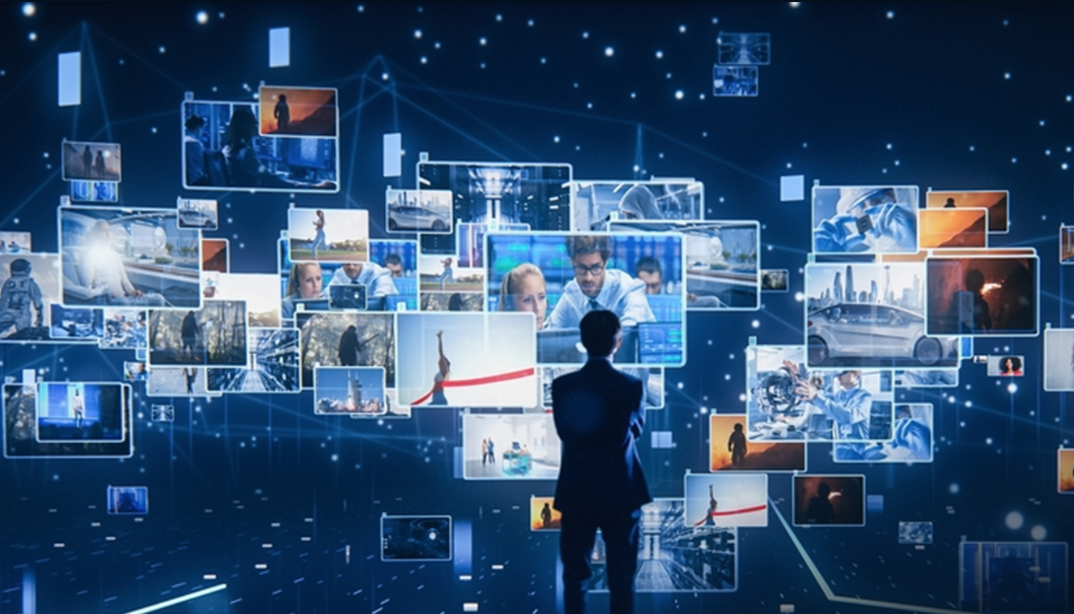
Not long ago, watching a favorite show meant waiting for a scheduled broadcast time or renting a physical disc from a store. Streaming services have completely rewritten those rules, giving audiences control over what they watch and when, while simultaneously reshaping how entertainment is produced, marketed, and consumed across the entire industry.
This shift has created enormous opportunities for creators and audiences alike, but it has also introduced new challenges that continue to shape the future of entertainment.
From Scheduled Broadcasts to On-Demand Everything
Traditional television relied on fixed schedules, with networks deciding what aired and when. Streaming flipped this model entirely, allowing viewers to watch entire seasons whenever they chose. This shift, often called binge-watching culture, fundamentally changed how stories are structured and paced.
Writers now often design seasons with the assumption that viewers will watch multiple episodes in a single sitting, leading to more serialized storytelling with cliffhangers that reward continuous viewing rather than standalone episodes designed for weekly consumption.
Interestingly, some platforms have recently begun experimenting with a partial return to weekly releases for certain flagship shows, finding that spaced-out episodes can sustain social media buzz and anticipation over a longer period compared to a single weekend binge that fades from conversation quickly.
How Viewing Habits Have Changed
- Audiences increasingly expect full seasons released at once rather than weekly episodes
- Viewing times have shifted away from fixed evening schedules toward flexible personal timing
- Mobile viewing has grown significantly, with people watching content anywhere
- Social media discussions now often happen in real time as audiences binge simultaneously
The Rise of Original Content
As streaming platforms competed for subscribers, producing original content became a major strategic focus. Rather than relying solely on licensed movies and shows from other studios, platforms began investing heavily in exclusive series and films unavailable anywhere else.
This shift has given audiences a wider variety of genres, styles, and voices than traditional television often allowed, since streaming platforms have been more willing to take creative risks on niche or unconventional projects.
A Look at How One Hit Show Can Shift an Entire Platform
When a streaming platform releases a genuine breakout hit, the effects extend well beyond that single show’s viewership numbers. A widely discussed series can drive a measurable spike in new subscriptions, generate significant social media conversation, and even influence stock prices for publicly traded media companies.
This dynamic has pushed platforms to invest heavily in a smaller number of high-profile, expensive productions rather than spreading budgets evenly across many smaller projects, a strategy sometimes described as a hits-driven approach.
While this can produce genuinely impressive flagship content, it also means many smaller or riskier projects struggle to secure funding compared to the earlier years of streaming, when platforms were more willing to experiment broadly to build out their libraries.
Increased Competition Among Platforms
The streaming market has grown crowded, with numerous platforms competing for the same audience’s limited time and subscription budget. This competition has led to both benefits and downsides for consumers.
On one hand, competition drives platforms to continually improve content quality and user experience. On the other hand, subscribing to multiple platforms to access desired content has become increasingly expensive, echoing some of the frustrations that originally pushed audiences away from traditional cable packages.
Strategies Platforms Use to Stand Out
- Investing heavily in exclusive original series and films
- Offering tiered subscription pricing, including ad-supported options
- Bundling services together to increase perceived value
- Using recommendation algorithms to personalize content discovery
How Content Discovery Has Changed Viewer Behavior
With thousands of titles available across multiple platforms, discovery has become almost as important as the content itself. Many viewers report spending significant time browsing before settling on something to watch, a phenomenon sometimes called scroll fatigue, which has pushed platforms to continually refine their homepage layouts and recommendation logic.
Curated collections, themed rows, and short preview clips have all emerged as tools to reduce this friction and help viewers commit to a choice more quickly. Some platforms have also introduced shuffle or surprise-me features, acknowledging that decision fatigue itself has become a genuine barrier to viewer satisfaction in an era of seemingly unlimited choice.
- Curated and themed content rows help simplify browsing decisions
- Short preview clips give viewers a quicker sense of tone and style
- Shuffle or randomized recommendation features address decision fatigue
- Search functionality has become increasingly sophisticated to handle vague queries
The Role of Recommendation Algorithms
Streaming platforms rely heavily on algorithms to guide what viewers see first. These systems analyze viewing history, ratings, and even how long someone watches before stopping a show, using that data to predict future preferences.
While this personalization helps viewers discover content aligned with their interests, it also means smaller or less mainstream projects can struggle for visibility if algorithms favor already popular titles, creating an uneven playing field for lesser-known creators.
The Economics Behind Streaming Subscriptions
Understanding why streaming prices have risen over the past few years requires looking at the underlying economics of the industry. Producing high-quality original content is expensive, and as competition increased, platforms had to invest more heavily to attract and retain subscribers, costs that are eventually reflected in subscription pricing.
Advertising-supported tiers have emerged as a response to this pricing pressure, offering a lower-cost option for subscribers willing to watch occasional ads. This mirrors, in some ways, the advertising-funded model that traditional television relied on for decades, suggesting the industry may be settling into a hybrid approach rather than a purely ad-free, subscription-only future.
- Rising content production costs have contributed to higher subscription prices
- Ad-supported tiers offer a lower-cost alternative for budget-conscious viewers
- Password-sharing restrictions have become more common as platforms seek revenue growth
- Bundled subscriptions are increasingly used to improve perceived value for consumers
Impact on Traditional Television and Theaters
Streaming has undeniably reshaped traditional television and theatrical releases. Many households have reduced or eliminated cable subscriptions entirely, a trend often referred to as cord-cutting. Movie theaters have also faced pressure as some studios experiment with releasing films simultaneously in theaters and on streaming platforms.
This shift has forced traditional media companies to adapt, often launching their own streaming platforms to remain competitive rather than relying solely on older distribution models.
- Cable subscriptions have declined steadily as streaming adoption grows
- Some theatrical releases now debut on streaming the same day as theaters
- Traditional networks increasingly rely on streaming arms for growth
- Live events and sports remain one of the few areas where traditional broadcast retains strong appeal
What This Means for Creators and Audiences
For creators, streaming has opened doors that were previously difficult to access through traditional studio systems, allowing niche projects and international content to reach global audiences. For audiences, it has meant unprecedented choice, though sometimes at the cost of decision fatigue and rising subscription costs.
Understanding these shifts helps viewers make more informed choices about which platforms genuinely align with their viewing habits and budget, rather than subscribing to every available service out of habit.
The Global Reach of Streaming Content
One of the most underappreciated shifts brought by streaming is how it has connected audiences across countries and languages in ways traditional broadcast television rarely achieved. A series produced in one country can become a global phenomenon within weeks, subtitled and dubbed for audiences who might never have encountered it through older distribution methods.
This global reach has also diversified mainstream entertainment, introducing international storytelling styles, genres, and cultural perspectives to audiences who previously had limited exposure to content outside their own region. For creators outside major entertainment hubs, streaming has opened a realistic path to international recognition that simply did not exist in the era of traditional television licensing deals.
Notable Effects of Global Streaming Reach
- Increased international collaboration between studios and production companies
- Wider audience exposure to non-English language films and series
- Growing demand for high-quality subtitling and dubbing services
- Cross-cultural fan communities forming around globally popular shows
Conclusion: Live Sports and Events in the Streaming Era
While scripted content has largely moved toward on-demand viewing, live sports and major events remain one of the few areas where real-time viewing still holds significant value. Streaming platforms have increasingly acquired rights to live sports, recognizing that these events reliably draw large, engaged audiences unwilling to wait for a replay.
This shift has created a hybrid entertainment landscape where some content is consumed entirely on-demand, while live events retain the shared, real-time viewing experience that once defined all of television. Balancing these two very different viewing habits continues to shape how platforms design their offerings and pricing structures.
- Streaming platforms increasingly bid for live sports broadcasting rights
- Real-time viewing remains valuable for sports, award shows, and breaking news
- Interactive features, like live stats and multiple camera angles, are becoming more common
- Hybrid subscription models often bundle on-demand content with select live events
Streaming has fundamentally reshaped entertainment, moving power away from fixed schedules and centralized programming toward audience-driven, on-demand consumption. As the market continues to evolve, the balance between choice, cost, and content quality will likely remain a defining theme for years to come.
Frequently Asked Questions
1. Why do I need multiple streaming subscriptions to watch everything I want?
As platforms compete for exclusive content, shows and films are often locked to a single service, leading many viewers to subscribe to several platforms to access desired content.
2. Are streaming platforms replacing movie theaters entirely?
Not entirely, though theatrical attendance has declined in some markets. Many studios still prioritize theatrical releases for major films, while smaller projects increasingly go directly to streaming.
3. How do streaming recommendation algorithms actually work?
These systems analyze viewing history, ratings, and engagement patterns to predict content a viewer is likely to enjoy, prioritizing similar titles in recommendations.
4. Is binge-watching affecting how shows are written?
Yes, many shows are now written with continuous viewing in mind, often featuring more serialized storylines and cliffhangers designed to encourage watching multiple episodes in one sitting.
5. Why do streaming prices keep increasing?
Rising content production costs, increased competition for exclusive shows, and investment in technology infrastructure all contribute to gradual subscription price increases across the industry.
6. Will password sharing restrictions continue to expand?
Many major platforms have already tightened password-sharing policies to boost revenue, and this trend is likely to continue as competition for profitability increases.
7. Are ad-supported streaming tiers worth choosing over full-price plans?
For budget-conscious viewers who do not mind occasional ads, these tiers can offer meaningful savings while still providing access to most of a platform’s content library.