

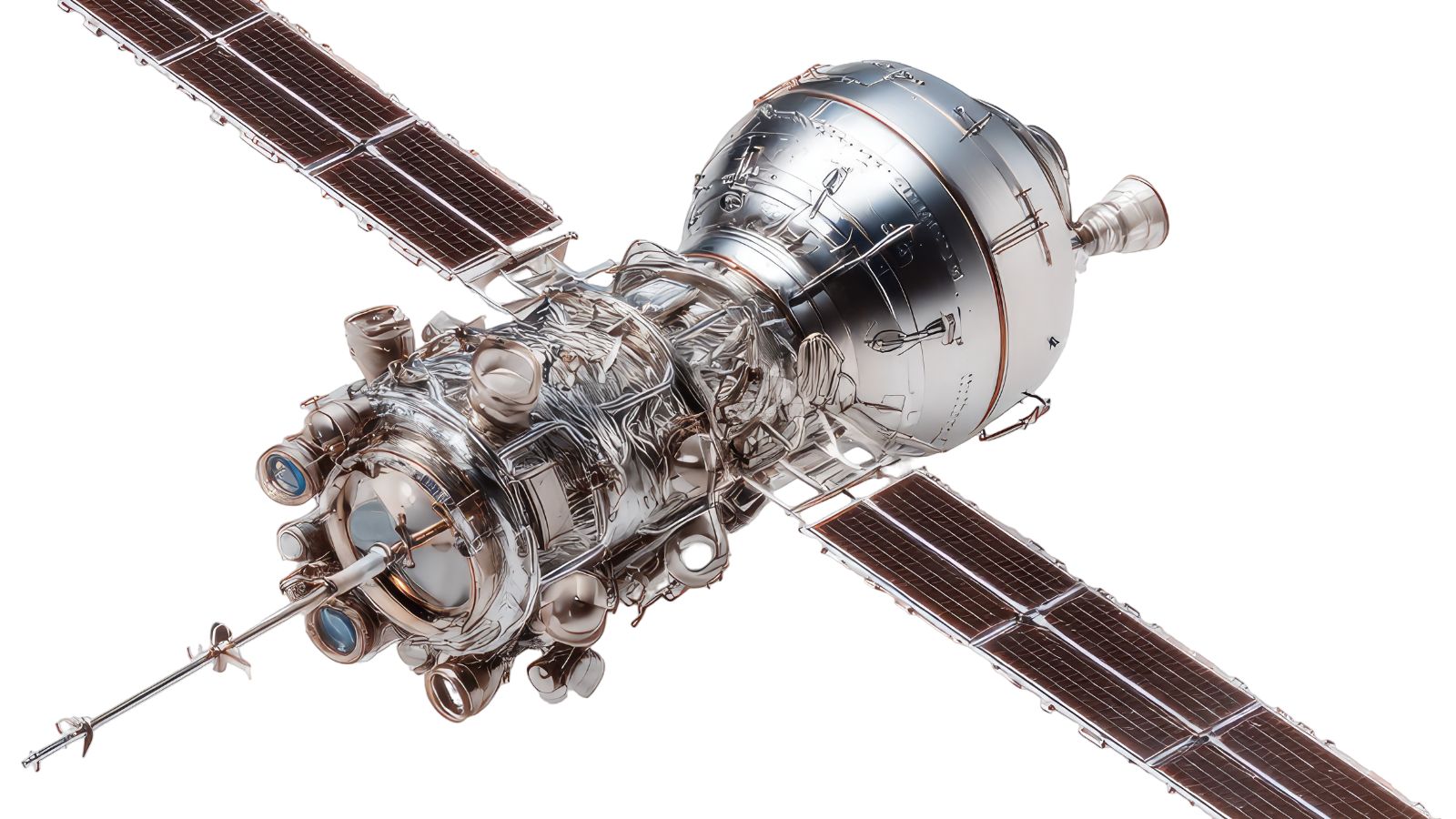
As space becomes an increasingly important domain for communication, navigation, intelligence gathering, and national security, military planners are exploring concepts that were once limited to science fiction. One of the most intriguing ideas is the Space Force Orbital Warship Carrier—a proposed space-based platform designed to function like an aircraft carrier by pre-positioning maneuverable satellites and spacecraft in orbit for rapid deployment.
What Is a Space Force Orbital Warship Carrier?
A Space Force Orbital Warship Carrier is a theoretical military spacecraft that serves as a mobile orbital base for deploying, recovering, and supporting smaller spacecraft, satellites, and defense systems. Similar to how an aircraft carrier operates at sea, an orbital carrier would function as a command center and launch platform in space.
The primary purpose of such a platform would be to ensure rapid response capabilities, maintain orbital security, and support military operations beyond Earth’s atmosphere.
How a Space Force Orbital Warship Carrier Works in Orbit
The concept revolves around maintaining a large spacecraft in a strategic orbit around Earth. This carrier would store and manage multiple smaller vehicles, including reconnaissance satellites, defensive spacecraft, communication platforms, and maintenance drones.
When needed, these assets could be launched quickly to perform specific missions such as surveillance, communications support, orbital inspections, or defensive operations. Once missions are complete, some vehicles could potentially return to the carrier for refueling, repairs, or upgrades.
The Purpose of Pre-Positioned Satellites and Spacecraft
One of the most significant advantages of an orbital warship carrier is the ability to keep critical assets already positioned in space.
Traditional launches require time, preparation, and significant resources. By keeping satellites and spacecraft in orbit, military organizations can respond more rapidly to emerging threats or operational requirements.
Pre-positioned systems could provide:
- Real-time intelligence gathering
- Enhanced communication networks
- Space domain awareness
- Rapid deployment capabilities
- Improved resilience against disruptions
Key Features of an Orbital Warship Carrier
A future orbital carrier would likely incorporate several advanced technologies and capabilities.
Large Payload Capacity
The carrier would need sufficient space to store multiple satellites, drones, and support equipment.
Autonomous Operations
Artificial intelligence and autonomous systems would help manage onboard operations, maintenance, and mission planning.
Docking and Recovery Systems
Specialized docking mechanisms would allow smaller spacecraft to launch from and return to the carrier.
Advanced Communications
Secure communication networks would enable coordination with ground stations and other orbital assets.
Modular Design
A modular structure would allow upgrades and mission-specific modifications over time.
Technologies That Could Make Orbital Warship Carriers Possible
Developing an orbital warship carrier would require breakthroughs in several technological fields.
Reusable Spacecraft
Reusable vehicles would reduce operational costs and enable frequent missions.
In-Orbit Refueling
Refueling systems would extend the operational lifespan of deployed spacecraft.
Advanced Robotics
Robotic arms and maintenance systems could repair satellites without requiring human intervention.
Artificial Intelligence
AI-powered systems would help monitor spacecraft health, optimize missions, and automate routine tasks.
High-Efficiency Propulsion
Advanced propulsion technologies would allow orbital adjustments while minimizing fuel consumption.
Strategic Advantages in Modern Space Warfare
An orbital warship carrier could provide significant strategic benefits.
Faster Response Times
Assets already stationed in orbit could be deployed immediately when required.
Greater Operational Flexibility
Military planners could adapt missions quickly based on changing circumstances.
Enhanced Orbital Presence
Continuous presence in space would strengthen national security and deterrence capabilities.
Improved Asset Protection
Critical satellites could receive maintenance, upgrades, and defensive support from the carrier.
Orbital Warship Carrier vs Traditional Aircraft Carrier
Although inspired by aircraft carriers, orbital warship carriers would operate in a vastly different environment.
| Feature | Aircraft Carrier | Orbital Warship Carrier |
| Environment | Ocean | Space |
| Launch Assets | Aircraft | Satellites and spacecraft |
| Mobility | Water-based | Orbital trajectories |
| Support Systems | Naval infrastructure | Space-based infrastructure |
| Maintenance | Onboard crews | Robotics and automation |
Both platforms serve as force multipliers, but orbital carriers would face unique technical and operational challenges.
Potential Military and Defense Applications
Orbital warship carriers could support a wide range of missions.
Intelligence and Surveillance
Deploying reconnaissance satellites to monitor strategic regions.
Communication Support
Providing resilient communication networks during emergencies.
Orbital Maintenance
Repairing and servicing valuable satellites.
Space Domain Awareness
Tracking objects and activities in orbit.
Defensive Operations
Protecting critical space infrastructure from potential threats.
Challenges of Building a Space-Based Warship Carrier
Despite its potential benefits, the concept faces major obstacles.
High Development Costs
Building and launching such a platform would require enormous investments.
Technical Complexity
Long-term operations in space demand highly reliable systems.
Orbital Debris Risks
Space debris poses a constant threat to large orbital structures.
Logistics and Maintenance
Resupplying and maintaining a carrier in orbit presents significant challenges.
Security Concerns
Protecting a high-value orbital asset would require sophisticated defensive measures.
International Laws Governing Military Assets in Space
The militarization of space remains a subject of international debate.
Various treaties and agreements seek to ensure that outer space remains accessible and peaceful. However, the rapid growth of military space programs has raised questions about how future orbital defense systems should be regulated.
Any operational orbital warship carrier would likely need to comply with international legal frameworks governing activities in space.
Could the U.S. Space Force Deploy Orbital Warship Carriers?
At present, no publicly known program is developing a true orbital warship carrier. However, ongoing investments in satellite technology, reusable launch systems, autonomous spacecraft, and space logistics demonstrate growing interest in expanding capabilities beyond traditional satellite operations.
As technology advances, concepts that seem futuristic today may become feasible in the coming decades.
Real-World Technologies That Resemble Orbital Warship Carriers
Several existing technologies provide a glimpse into how orbital carriers might evolve.
Examples include:
- Reusable spacecraft
- Satellite servicing missions
- Autonomous docking systems
- Orbital transfer vehicles
- Space logistics platforms
While these systems are not warship carriers, they represent important building blocks for future orbital infrastructure.
Space Force Orbital Warship Carrier in Science Fiction and Media
Science fiction has long explored the idea of massive spacecraft acting as mobile military bases.
Movies, television series, novels, and video games frequently depict orbital carriers launching fighters, drones, and support craft. These fictional portrayals have influenced public interest and inspired discussions about future military technologies.
Although reality remains far behind these imaginative concepts, ongoing technological progress continues to narrow the gap between fiction and possibility.
Future Developments in Orbital Defense Systems
The future of space security may involve increasingly sophisticated orbital platforms capable of supporting multiple missions.
Advancements in artificial intelligence, robotics, propulsion, manufacturing, and space logistics could eventually enable the creation of large-scale orbital infrastructure. Whether these systems take the form of orbital warship carriers or other specialized platforms, they are likely to play an important role in future space operations.
Frequently Asked Questions About Space Force Orbital Warship Carriers
What is a Space Force Orbital Warship Carrier?
It is a proposed space-based platform designed to deploy, support, and manage satellites and spacecraft from orbit.
Do orbital warship carriers exist today?
No. They remain a theoretical concept and are not currently operational.
Why are pre-positioned spacecraft important?
They allow faster deployment and response times compared to launching new assets from Earth.
What technologies are needed to build an orbital carrier?
Key technologies include reusable spacecraft, autonomous robotics, in-orbit refueling, AI systems, and advanced propulsion.
Could orbital warship carriers become a reality?
Future advances in space technology may make such platforms feasible, although significant technical, financial, and legal challenges remain.
Conclusion
The Space Force Orbital Warship Carrier represents one of the most ambitious concepts in future military space operations. Designed as a space-based equivalent of an aircraft carrier, it would provide rapid deployment capabilities, enhanced orbital security, and greater flexibility for managing critical assets in space.