

Americans are buying hybrids at a brisk pace this year, and the reasons say a lot about how people really shop for cars. Faced with expensive fuel, pricey electric models and a world that feels uncertain, many drivers are picking the option that asks the least of them.
In this article we will discuss what the latest sales data shows, why the middle path is winning, how supply and used prices are reacting, and what a sensible buyer can do before signing.
Hybrid Sales Are Climbing Across the Market
The clearest snapshot comes from CarGurus, the online car marketplace, whose third-quarter review was reported by CDG News. According to that review, new hybrid sales are up 24 percent for 2026 through the third quarter, while used hybrid sales are up 19 percent. Those are strong gains for a category that was once treated as a niche, and they arrive at a time when overall car buying is under pressure from high prices.
A separate report on public radio, citing Edmunds and Cox Automotive, puts the one-year gain in US hybrid sales at almost 27 percent. The two figures cover different periods and different methods, so they should not be added together or treated as one measurement. What matters is that independent sources, looking at the market from different angles, point in the same direction.
Brand-level numbers tell the same story. The public radio report says Hyundai’s hybrid sales in August were up 33 percent from a year earlier, and Kia’s were up 99 percent. Kia’s figure is the kind that usually reflects a low starting base or a sudden expansion in available models, so it is better read as evidence of momentum than as a measure of overall market size. Still, nearly doubling in a year is hard to ignore.
This article is centered on the United States, where these statistics were collected. Elsewhere, the picture differs. Fuel taxes, incentives and charging networks in Europe, China and other markets create their own mixes of hybrids, plug-in hybrids and full electric cars, so readers outside the US should check local data before drawing the same conclusions.
What Counts as a Hybrid in These Figures
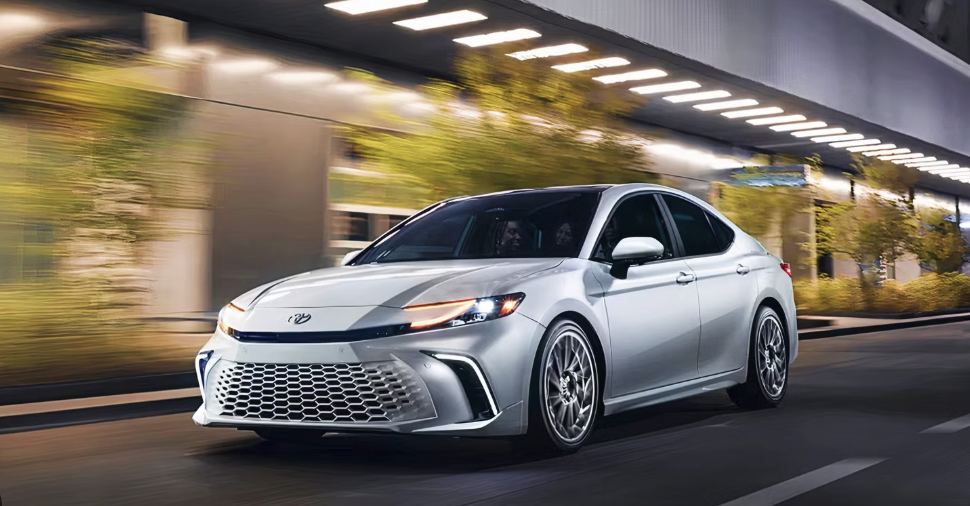
The word hybrid covers more than one kind of car, and the distinctions matter when you shop. A conventional hybrid pairs a gasoline engine with a small battery and an electric motor, recharges itself while you drive and never needs a plug.
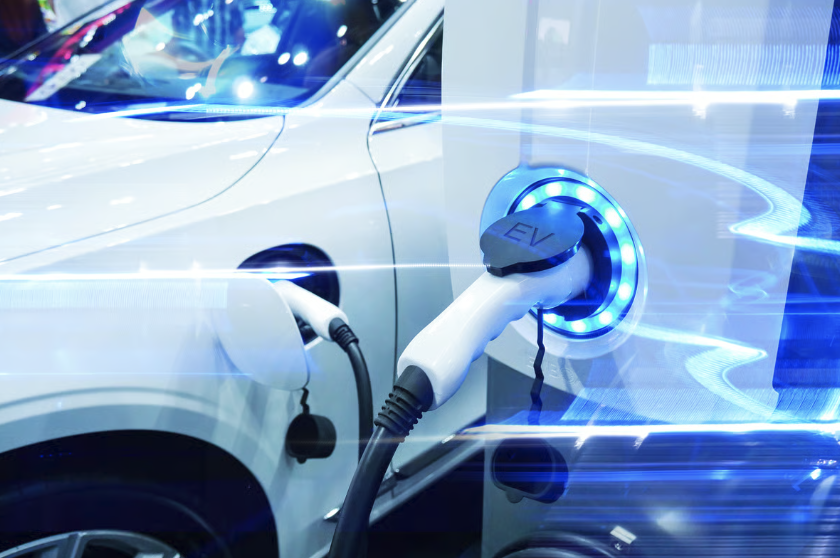
A plug-in hybrid carries a bigger battery that you can charge from an outlet, offering some all-electric driving before the gasoline engine takes over. The sales figures quoted here come from market reviews and should be read as covering hybrids in general terms, so check the source definition if the difference matters to you.
Gas Prices and a Preference That Came First
Fuel costs are the obvious explanation, and they play a real role. CarGurus cited AAA in reporting that gas hit a September record of $4.48 per gallon. Kevin Roberts of CarGurus linked the autumn pickup in interest in hybrid and electric listings to rising pump prices amid the ongoing conflict in the Middle East. When a fill-up gets noticeably more expensive, a car that uses less fuel starts to look like a bargain.
But the story is more layered than a price spike. Roberts also said demand for hybrids rose before gas prices began climbing in March, and he described the trend as a consumer “preference for hybrids.” That is an important detail. If hybrids were only a reaction to expensive fuel, sales would be expected to follow the pump price up and down. Growth that started earlier suggests buyers were already drifting toward them for other reasons.
Roberts does not expect much change in the fourth quarter, which suggests the current pattern is not a one-month blip. Quarterly reviews like this one smooth out short swings, so a steady outlook points to a market that has settled into a new rhythm rather than one riding a brief panic. That is a useful signal for shoppers who worry they are chasing a fad.
The Role of Habit and Risk
One plausible reason is that a hybrid fits the way people already live. You fill it at the same stations, drive it on the same roads and do not need to rethink your commute or your garage. For a household with a single car, and perhaps no reliable place to plug in, that continuity is worth a lot. Choosing a hybrid is a way to cut fuel use without betting that charging will always be convenient.
This is an interpretation, not a finding from the sources, but it fits the pattern. Buyers who have watched fuel prices swing for years are looking for protection from the next swing, and a car that sips fuel offers protection without demanding a lifestyle change.
Why the Timing Still Matters
Even so, the price spike clearly adds urgency. People who were already considering a hybrid may move from “someday” to “this month” when gas crosses a psychological line. That helps explain why the autumn quarter looks so busy. Fuel prices can move quickly in either direction, though, and nothing in the data suggests buyers are timing the market perfectly. Anyone shopping should treat today’s gas price as one input, not the whole decision.
Where Hybrids Sit Between Gasoline and Electric
The phrase middle path describes where hybrids fall between two other options. On one side is the conventional gasoline car, familiar and often the cheapest to buy. On the other is the full electric vehicle, which can be cheap to run but asks for a change in habits and, often, a larger purchase price. The hybrid takes some of the benefit of each.
Compared With a Gasoline Car
Compared with a similar gasoline model, a hybrid uses less fuel, especially in stop-and-go driving where the electric motor does more of the work. The trade-off is usually a higher sticker price. According to Roberts, hybrids carry only a small premium over comparable gasoline vehicles, which is what makes the math easier for many households. A modest upfront cost that pays back at the pump is a much easier sell than a large one.
Compared With a Full EV
The comparison with electric cars is where the price gap becomes visible. The public radio report cites Edmunds and Cox data showing the average EV transaction price topped $54,000 in August, while the average for gasoline vehicles was just under $50,000. A roughly $4,000 difference is not impossible to bridge, but it is a real hurdle, and it comes on top of questions about where and how to charge.
Roberts made the same contrast, noting that hybrids carry only a small premium over comparable gasoline vehicles unlike EVs. That is a fair summary of the situation. Many shoppers who like the idea of an electric car hit the price wall and then look for the next-best way to cut fuel costs.
A fair caution applies to the savings story. A hybrid’s fuel advantage is largest for drivers who do a lot of city and suburban miles, and smaller for those who spend most of their time on steady highway runs. Check the official fuel-economy ratings for the exact model, and compare them with how you really drive before assuming the savings will match a brochure.
Compared With a Plug-In Hybrid
Plug-in hybrids sit between conventional hybrids and full EVs. They can run on electricity for shorter trips and fall back on gasoline for long ones, which suits some drivers very well. They also require a place to charge to deliver their full benefit, and they cost more than a conventional hybrid. A plug-in hybrid you never plug in is a heavier, more expensive hybrid, so be honest with yourself about your charging access before choosing one.
| Option | Upfront price | Fuel cost | Charging needed | Main strength |
| Gasoline | Lowest in most cases | Highest | No | Familiar and widely available |
| Conventional hybrid | Small premium over gasoline | Lower | No | Saves fuel with no change of habits |
| Plug-in hybrid | Higher than a conventional hybrid | Lowest on short trips if charged | Yes, to get the full benefit | Electric commuting with gasoline backup |
| Full EV | Often the highest | Depends on electricity prices | Yes | Lowest running costs where charging is easy |
Toyota’s Grip and a Tight Supply
One brand dominates the hybrid conversation. CarGurus says Toyota accounts for 47.2 percent of hybrid sales, nearly half the market. Toyota brought hybrids to the mass market decades ago, and its long head start in engineering, production and brand trust is visible in that number. For many shoppers, hybrid and Toyota are close to synonyms.
That concentration has consequences. When one automaker supplies almost half of a fast-growing segment, any limit on its production or deliveries ripples through the whole market. The CarGurus review describes supply as tight, and that tightness helps explain a surprising pricing pattern in the used market, which the next section covers.
What Tight Supply Means for Shoppers
Tight supply means fewer cars on dealer lots, less room to negotiate and a greater chance that the exact trim or color you want is not available. Buyers who insist on a specific model may face a wait. Those willing to be flexible on color, options or even brand have an easier time. This is basic market behavior, not a special feature of hybrids, but it matters more when demand is rising fast.
Competitors Are Not Standing Still
The Hyundai and Kia figures show that Toyota is not alone. Both brands posted large gains, and Roberts said more automakers plan to add hybrid models in 2027 and beyond. That plan matters because supply is the main brake on the segment right now. If more choices arrive, the pressure on prices should ease over time, though nobody can say precisely when. A buyer who does not need a car immediately may find better selection and terms later.
Used Hybrids and the Price Paradox
The used market produces the most striking numbers. CarGurus reports that used 2026 RAV4 Hybrids have sold for up to 16 percent above new prices. That sounds backwards, since a used car normally costs less than a new one of the same model. The explanation is simple: buyers who cannot find a new one, or who do not want to wait for delivery, are willing to pay extra for a vehicle they can drive home now.
This is a warning sign for shoppers. Paying more than sticker price for a nearly new car is rarely good value, because the car begins losing value as soon as it is registered. Once supply catches up, the premium may fade, and an owner who overpaid could be left holding a car worth less than expected. The advice is to compare the used price against the new price for the same trim before committing, and to walk away if the used car costs more.
Checking the Battery on a Used Hybrid
For older used hybrids, the main question is the condition of the high-voltage battery. Hybrid batteries are designed to last a long time, and many manufacturers offer extended warranties on them, but the terms vary by brand and by state. Before buying, ask for the battery warranty details, request service records and have an independent mechanic who knows hybrids perform an inspection. A diagnostic scan that reports battery health is a useful extra.
Think too about where the car came from. A one-owner vehicle returned at the end of a lease usually has a documented service history, while a car passed through several auctions may not. Dealers selling certified pre-owned hybrids often include a longer warranty and an inspection checklist, which can justify a somewhat higher price, but read the terms to see what is covered and for how long.
Also confirm that the car has no open recalls and that the hybrid system has had its scheduled maintenance. A used hybrid with a clean history is typically a sound purchase, but a cheap one with missing records deserves suspicion.
Used EVs Are a Different Case
The same report says used EVs account for under 3 percent of the used market. That is a small share, though it may grow: more than 300,000 leased EVs are expected to come off lease in the next year, according to the report. A wave of off-lease cars could widen the choices and soften prices. For shoppers who want electric but cannot afford a new one, that development is worth watching.
Electric Vehicles Settle at a Steadier Level
None of this means electric cars are going away. The federal EV tax credit ended on 30 September 2025, and the public radio report says EVs have held at roughly 5 to 6 percent of new sales through 2026. The end of the credit removed a large incentive for many buyers, and the share has stayed in a narrow band since.
Cox Automotive’s Stephanie Valdez Streaty described the situation as “a lower and more stable level” of new EV demand. She also said, “I think the future’s still electric.” Those two comments fit together. EV demand is smaller than boosters once predicted, but it has found a floor, and the long-term direction of the industry may not have changed.
Why the Middle Path Is Not a Rejection of EVs
It would be easy to read the hybrid boom as a verdict against electric cars, and that would be a mistake. Hybrids and EVs solve different problems for different buyers. A household with a home charger, short commutes and a second car can make an EV work beautifully. A renter in an apartment with no charging, or a driver who regularly makes long trips, may find a hybrid far more practical.
Many buyers treat a hybrid as a stepping stone. They gain experience with electrified driving, keep the safety of a gasoline engine and wait for charging, prices and used supply to improve. Whether they later move to a full EV depends on those conditions, and nobody can promise how it will go.
There is a practical upside for the EV-curious in all this. If new EV demand has stopped swinging wildly, dealers and manufacturers can plan production and pricing with more confidence, and shoppers may find steadier incentives and clearer lease offers. Leasing lets a buyer try an electric car without owning the resale risk, and the lease terms are worth comparing against buying outright. Check the current rules and offers, since they change.
What Could Shift the Balance
Several things could change the picture. Lower EV prices would narrow the gap that currently favors hybrids. Better public charging would reduce range worries. A surge in off-lease used EVs could offer cheaper entry points. On the other side, if gas prices ease, the urgency behind hybrid buying may cool. Longer-term forecasts are uncertain, and anyone who claims to know exactly how the mix will look in a few years is guessing.
Costs to Weigh Before Signing
A car’s price tag is only the beginning. Total cost of ownership includes fuel or electricity, insurance, maintenance, taxes, registration and depreciation. A hybrid that costs a bit more upfront may still come out ahead if you drive a lot, but it may not if you drive little. The right comparison is the full cost over the years you expect to keep the car.
A Simple Illustration
Here is an illustration using invented round numbers, not market data. Suppose a gasoline car and a hybrid are identical except that the hybrid costs $2,000 more and saves $400 a year in fuel. The extra cost would be recovered in five years. If you keep the car for eight years, you come out ahead by $1,200, ignoring other differences. If gas prices rise, the payback is faster. If you drive far less than average, it is slower. Run the same arithmetic with your own mileage, local fuel prices and quoted car prices.
Insurance, Maintenance and Resale
Maintenance deserves its own line in the budget. Hybrids still need oil changes, tires, filters and brake service, and the hybrid system adds components that technicians must be trained to service. Ask whether a trusted independent shop in your area works on hybrids, because dealer-only service can cost more. A shop quote for a typical service visit, requested before you buy, is a cheap way to avoid surprises.
Insurance quotes vary by car, driver and state, so get a quote on the exact model before buying. Hybrids often have routine maintenance needs similar to gasoline cars, with a few extras related to the hybrid system, and regenerative braking can reduce brake wear. Popular hybrids have tended to hold their value well, which can offset a higher purchase price, though the unusual used-market premiums mentioned earlier may not last and nobody should count on them when planning a resale.
Reading the Dealer Paperwork
Hybrids in short supply invite add-ons. Dealers may propose market adjustments, paint protection, nitrogen-filled tires or extended service contracts, each with its own price. Ask for an itemized out-the door quote in writing, decline anything you did not ask for and compare that quote across two or three sellers. Consumer agencies and your state attorney general publish guidance on car-buying rights, and it is worth a quick read before you sit down to negotiate.
Financing and Fees
With prices high, loan terms matter. A longer loan lowers the monthly payment but raises total interest and increases the risk of owing more than the car is worth. Check the annual percentage rate, ask about fees and consider getting pre-approval from a bank or credit union to compare with dealer financing. Rates and rules change, so check current offers from lenders.
Final Thoughts: A Buyer’s Checklist for the Middle Path
For someone considering a hybrid now, a sequence helps. Begin with your driving: how many miles you cover each year, whether most trips are short or long, and where the car will be parked at night. Those facts decide whether a conventional hybrid, a plug-in hybrid, a full EV or a gasoline car fits best.
Next, set a total budget that includes insurance and fuel, then compare models by total cost rather than monthly payment alone. Shop several dealers and online marketplaces, and be firm about not paying above sticker price for a new car. Timing deserves some thought. Because fuel prices are high now, demand is high now, and sellers know it. If your current car runs well, waiting for more models to arrive could improve your choices and your leverage. If your car is failing or costing a lot to repair, the calculation changes, and buying a sound used hybrid at a fair price may beat waiting. Because supply is tight, be ready to wait or to accept a different trim, and avoid buying out of panic.
Then test-drive at least two competing models. Hybrids differ in how smoothly the engine and motor blend, how the brakes feel and how quiet the cabin is, and a short drive tells you a lot. If you are buying used, arrange an independent inspection, verify battery warranty terms and check the vehicle history report.
Finally, think about charging access if you are considering a plug-in hybrid or EV. Ask your landlord, your building or your employer about outlets, and price out a home charger if you own your home. If none of that is feasible, a conventional hybrid may be the cleaner choice. This is general information, and a trusted mechanic or financial adviser can help with your situation.
Read more about Newstwick
Frequently Asked Questions
1. How much have hybrid sales grown in 2026?
According to CarGurus, new hybrid sales are up 24 percent for 2026 through the third quarter, and used hybrid sales are up 19 percent. A separate public radio report citing Edmunds and Cox Automotive put the one-year increase in US hybrid sales at almost 27 percent. The figures use different periods, so they are not directly comparable.
2. Why are people buying hybrids instead of electric cars?
Price is a big factor. The average EV transaction price topped $54,000 in August, versus just under $50,000 for gasoline vehicles, and hybrids carry only a small premium over comparable gasoline cars. Hybrids also do not require charging.
3. What share of new car sales are electric vehicles?
EVs have held at roughly 5 to 6 percent of new sales through 2026, according to the public radio report. The federal EV tax credit ended on 30 September 2025. Cox Automotive describes demand as lower and more stable.
4. Which company sells the most hybrids?
Toyota accounts for 47.2 percent of hybrid sales, according to CarGurus. Hyundai and Kia have also posted large gains. More automakers plan to add hybrid models in 2027 and beyond.
5. Is it smart to buy a used hybrid right now?
It can be, if you check the price carefully. CarGurus reports that some used 2026 RAV4 Hybrids have sold for up to 16 percent above new prices, which is a reason to compare before paying. Ask about battery warranty terms and get an independent inspection.
6. Will gas prices stay high?
Nobody can say for certain. Gas hit a September record of $4.48 per gallon, according to AAA as cited by CarGurus, amid the ongoing conflict in the Middle East. Fuel prices can change quickly, so base your decision on total cost over several years.