

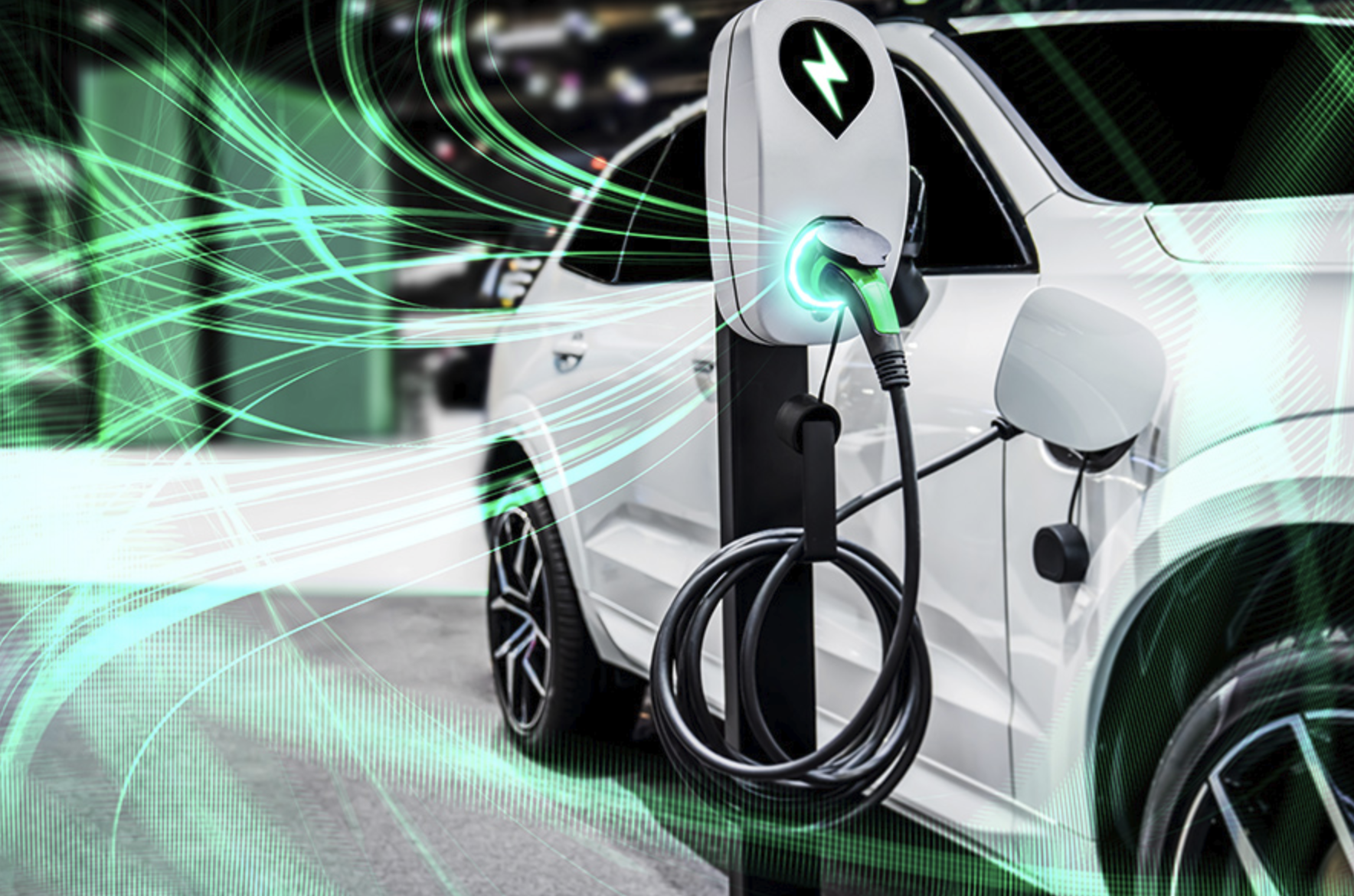
Electric vehicle advertising tends to emphasize environmental benefits and dramatic fuel savings, while critics often focus heavily on charging inconvenience and higher upfront prices, leaving many prospective buyers genuinely confused about what actually matters for their own specific situation. Cutting through both the marketing enthusiasm and the reflexive skepticism requires looking honestly at the actual numbers and practical realities that affect everyday ownership experience.
Understanding these genuine trade-offs, rather than relying on secondhand opinions or outdated information, helps prospective buyers determine whether an electric vehicle genuinely fits their specific driving patterns, budget, and living situation.
The Real Math Behind Upfront Purchase Costs
Electric vehicles generally carry higher upfront purchase prices than comparable gasoline vehicles, though this gap has narrowed considerably as battery production costs have declined and manufacturing has scaled across the industry. Available tax incentives and rebates, which vary considerably by region and specific vehicle model, can meaningfully offset this upfront price difference, sometimes substantially, though eligibility requirements and incentive availability change frequently enough that current, location-specific research remains essential rather than relying on outdated general assumptions.
Used electric vehicle prices have also become increasingly competitive as the market has matured, offering a potentially more affordable entry point for budget-conscious buyers willing to accept a somewhat older model rather than purchasing new. This growing used market represents a meaningful shift from electric vehicles’ earlier years, when limited used inventory kept resale prices relatively high compared to what buyers might now find available.
- Upfront price gaps compared to gasoline vehicles have narrowed but not disappeared entirely
- Tax incentives and rebates vary considerably and require current, location-specific research
- Used electric vehicle markets have matured, offering more affordable entry points
- Purchase price alone doesn’t capture the complete, genuine cost comparison picture
Calculating Genuine Fuel and Maintenance Savings
Electricity costs per mile driven typically run considerably lower than gasoline costs, though the actual savings depend heavily on local electricity rates, driving patterns, and whether charging happens primarily at home using off-peak electricity rates versus relying more heavily on public charging infrastructure, which often costs meaningfully more per unit of energy than home charging typically provides. Drivers with access to affordable home charging generally see the most substantial fuel cost savings compared to those relying primarily on public charging networks.
Maintenance costs also tend to run lower for electric vehicles, since they lack many components that require regular maintenance in gasoline vehicles, including oil changes, exhaust systems, and certain transmission components. Brake wear also tends to be reduced due to regenerative braking systems that many electric vehicles employ. These maintenance savings, combined with lower fuel costs, can meaningfully offset a higher purchase price over a vehicle’s total ownership period, though the exact break-even point varies considerably based on individual driving habits and local cost factors.
- Home charging generally provides more substantial savings than reliance on public charging
- Reduced maintenance needs stem from fewer mechanical components requiring regular service
- Regenerative braking systems tend to reduce brake wear and associated maintenance costs
- Total ownership cost comparisons require considering the full ownership period, not just upfront price
A Concrete Example Comparing Total Ownership Costs
Consider two drivers with similar annual mileage, one purchasing a new gasoline sedan and another purchasing a comparable electric vehicle at a notably higher upfront price. The gasoline vehicle owner spends considerably more on fuel over five years of typical driving, plus routine maintenance including oil changes and eventual brake service, while the electric vehicle owner benefits from lower per-mile electricity costs, assuming primarily home charging, and reduced maintenance expenses throughout that same five-year period.
Running these numbers side by side for this particular scenario, the electric vehicle owner’s higher upfront cost gets substantially offset by accumulated fuel and maintenance savings well before the five-year mark, though this specific outcome depends heavily on assumptions about annual mileage, local electricity and gasoline prices, and available tax incentives that could shift the calculation meaningfully for a driver in different circumstances or a different region entirely.
Charging Infrastructure Realities Beyond Marketing Claims
Home charging access represents perhaps the single most significant factor determining electric vehicle ownership convenience, and drivers without access to home charging, particularly those living in apartments or without dedicated parking, face a genuinely different, often more complicated ownership experience than homeowners with garage access to install home charging equipment. This access disparity means electric vehicle suitability varies considerably based on housing situation in ways that marketing materials don’t always adequately address or acknowledge.
Public charging infrastructure has expanded considerably but remains genuinely uneven across different regions, with some areas offering abundant, convenient charging options while others still present meaningful gaps that could complicate longer trips or reliable daily charging for drivers without home charging access. Researching specific charging availability within a prospective buyer’s actual daily routes and longer trip patterns, rather than relying on general national statistics, provides considerably more useful, personally relevant information for this particular decision.
- Home charging access represents perhaps the most significant convenience factor overall
- Apartment dwellers and those without dedicated parking face genuinely different ownership challenges
- Public charging infrastructure remains genuinely uneven across different geographic regions
- Researching specific personal routes provides more useful information than general national statistics
Battery Degradation and Long-Term Value Considerations
Battery degradation, the gradual reduction in a battery’s capacity over years of use and charging cycles, represents a genuine long-term consideration that affects both driving range over time and eventual resale value. Modern electric vehicle batteries have proven considerably more durable than early skepticism suggested, with many manufacturers offering battery warranties spanning eight years or more, though actual degradation rates vary based on climate, charging habits, and specific battery technology employed by a given manufacturer.
Resale value for electric vehicles has historically shown more variability than gasoline vehicles, partly due to rapid technology improvements making older models feel comparatively outdated more quickly, and partly due to genuine uncertainty around battery condition affecting buyer confidence in the used market. This resale consideration matters particularly for buyers planning to sell or trade in their vehicle after a relatively short ownership period, rather than those planning genuinely long-term ownership where this variability matters comparatively less.
- Battery degradation represents a genuine consideration affecting long-term range and value
- Manufacturer warranties spanning eight or more years address some, though not all, degradation concerns
- Resale value has shown more variability than gasoline vehicles due to rapid technology changes
- This consideration matters most for buyers planning shorter-term rather than long-term ownership
Driving Patterns That Genuinely Favor Electric Vehicle Ownership
Drivers with predictable, moderate daily commutes and reliable home charging access generally represent the clearest fit for electric vehicle ownership, since their typical driving patterns rarely approach range limitations, and home charging provides consistent, convenient, and cost-effective refueling without requiring reliance on public charging infrastructure for routine daily use. This profile describes a substantial share of everyday drivers, even though it doesn’t describe every driving situation equally well.
Drivers who frequently take long road trips, lack reliable home charging access, or live in regions with genuinely limited public charging infrastructure may find electric vehicle ownership considerably less convenient than gasoline alternatives, at least until infrastructure continues its ongoing expansion and improvement. Honestly assessing typical driving patterns, rather than focusing primarily on occasional edge-case long trips that represent a small fraction of overall annual driving for most people, generally leads to a more accurate, personally relevant suitability assessment.
- Predictable, moderate commutes with home charging access represent the clearest ownership fit
- This favorable profile describes a substantial though not universal share of everyday drivers
- Frequent long-distance travel or unreliable charging access presents genuine ownership challenges
- Assessing typical rather than occasional edge-case driving patterns leads to more accurate decisions
Environmental Considerations Beyond Simple Tailpipe Emissions
Electric vehicle environmental benefits are often summarized simply as zero tailpipe emissions, though a genuinely complete environmental comparison requires considering the full lifecycle, including battery production and the source of electricity used for charging. Battery manufacturing carries meaningful environmental impact, including mining for materials like lithium and cobalt, though research consistently shows that even accounting for this production impact, electric vehicles generally produce lower lifetime emissions than comparable gasoline vehicles in most regions.
The electricity grid’s energy source matters considerably for this calculation, since charging an electric vehicle using electricity generated primarily from coal produces a different environmental outcome than charging using a grid with substantial renewable energy sources. This regional variation means the environmental case for electric vehicles, while generally favorable overall, varies in magnitude depending on a specific driver’s local electricity generation mix rather than representing a uniform benefit regardless of location.
- Complete environmental comparison requires considering battery production, not just tailpipe emissions
- Battery manufacturing carries genuine environmental impact through material mining and processing
- Most research still shows lower lifetime emissions despite this production impact consideration
- Local electricity grid composition significantly affects the magnitude of environmental benefit
How Vehicle Size and Type Affect the Overall Calculation
Electric vehicle trade-offs vary considerably depending on vehicle category, with electric trucks and larger SUVs facing different range, charging, and cost considerations compared to smaller sedans and hatchbacks that have historically represented the more mature segment of the electric vehicle market. Larger, heavier electric vehicles generally require correspondingly larger batteries to achieve comparable range, which affects both purchase price and charging time in ways that smaller vehicle buyers don’t need to weigh as heavily in their own decision-making process.
Commercial and fleet buyers face additional considerations beyond typical individual consumer calculations, including total cost of ownership across larger vehicle fleets, centralized charging infrastructure investment, and predictable route patterns that often make electric vehicles particularly well-suited for certain commercial applications despite the different upfront investment and infrastructure planning these fleet-scale decisions require compared to a single household’s more straightforward purchase decision.
- Vehicle category significantly affects the specific range, charging, and cost trade-offs involved
- Larger electric vehicles require bigger batteries, affecting price and charging time considerations
- Fleet and commercial buyers face distinct considerations around centralized charging infrastructure
- Predictable commercial route patterns often make electric vehicles particularly well-suited for fleet use
Making a Genuinely Informed Decision for Your Specific Situation
Rather than relying on generalized advocacy or criticism, prospective buyers benefit from calculating specific numbers relevant to their own actual situation, including local electricity and gasoline prices, available tax incentives, typical annual mileage, and realistic assessment of charging access both at home and along commonly traveled routes. This individualized calculation provides considerably more useful guidance than generic claims about electric vehicles being universally superior or inferior to gasoline alternatives.
Test driving and, where possible, borrowing or renting an electric vehicle for a few days before committing to purchase provides genuine, firsthand insight into whether the ownership experience, including charging logistics, genuinely fits daily routines and preferences, information that reading reviews or advertising alone simply cannot fully substitute for gaining through direct, personal experience with the actual vehicle and charging process involved.
Final Thoughts
Electric vehicles offer genuine advantages for many drivers, alongside real trade-offs that vary considerably based on individual circumstances, housing situation, and driving patterns. Approaching this decision with honest, personalized calculation rather than relying on generalized marketing claims or blanket criticism offers the most reliable path toward a decision that genuinely fits an individual driver’s specific needs and circumstances.
Frequently Asked Questions
1. Do electric vehicles genuinely cost less to own overall than gasoline vehicles?
This depends heavily on individual factors including driving patterns, local energy prices, and available incentives, though many owners with home charging access do see meaningful total ownership savings over several years.
2. How long do electric vehicle batteries typically last before needing replacement?
Most modern batteries maintain useful capacity well beyond manufacturer warranty periods, often eight to ten years or more, though actual longevity varies based on climate and specific charging habits.
3. Is it practical to own an electric vehicle without access to home charging?
It’s possible but generally less convenient, requiring more reliance on public charging infrastructure that varies considerably in availability and cost depending on a driver’s specific region and typical routes.
5. Are electric vehicles genuinely better for long road trips than they used to be?
Charging infrastructure and vehicle range have both improved considerably, though long trips still generally require more planning around charging stops compared to gasoline vehicle refueling convenience.
6. Do tax incentives for electric vehicles vary significantly by location?
Yes, incentive availability, amount, and eligibility requirements vary considerably by country, state, and sometimes even local jurisdiction, making current, location-specific research essential before purchasing.
7. How does cold weather affect electric vehicle range and battery performance?
Cold temperatures generally reduce driving range meaningfully compared to a vehicle’s rated capacity, an important consideration for drivers in colder climates when evaluating whether a specific model’s range genuinely suits their needs.
8. Do electric vehicles require specialized insurance or maintenance providers?
Most standard auto insurance providers now cover electric vehicles, though finding qualified maintenance technicians can occasionally require more research in areas where electric vehicle adoption remains relatively limited.
9. Is charging speed at public stations genuinely comparable across different networks?
No, charging speeds vary considerably between networks and station types, with some offering rapid charging suitable for road trips while others provide considerably slower charging better suited for longer parking periods.
10. Do electric vehicles hold their value better or worse than gasoline vehicles over time?
This varies considerably by specific model and market conditions, though rapid technology improvements have historically created more resale value uncertainty for electric vehicles compared to more established gasoline models.