

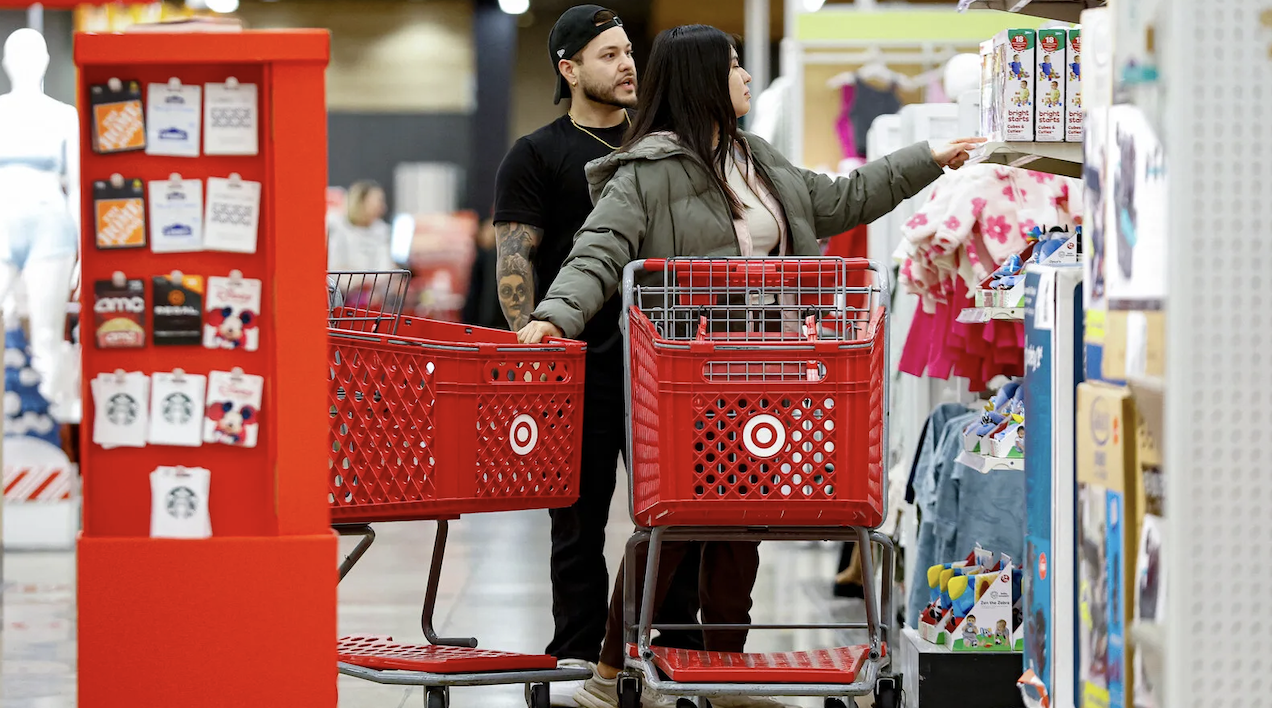
Retail forecasters expect holiday sales to keep growing this season, but the mood behind the numbers is careful rather than festive. Shoppers still want the holidays to feel special, and they are choosing where each dollar goes with more thought.
In this article we will discuss the Deloitte forecast for November 2026 through January 2027, what deliberate spending looks like in practice, how online shopping and income growth shape the season, and which habits help you get more from a gift budget.
The forecast in plain numbers
Deloitte, the professional services and consulting firm, has published its outlook for holiday retail for the three months from November 2026 to January 2027. It projects total holiday retail sales of $1.70 trillion to $1.71 trillion, which would be a rise of 4.0 to 4.8 percent from a year earlier. For comparison, the 2025 season grew by 4.1 percent, so this year’s range brackets last year’s result. The forecast covers the United States; holiday calendars, shopping events and tax systems differ in other countries, so numbers elsewhere will not match.
| Measure | Deloitte forecast | Growth from a year earlier |
| Total holiday retail sales | $1.70 trillion to $1.71 trillion | 4.0 to 4.8 percent |
| E-commerce sales | $316.1 billion to $318.9 billion | 7.5 to 8.4 percent |
| Disposable personal income during the season | Not given as a dollar figure | 4.5 to 5.2 percent |
The 2025 comparison deserves a pause. Last season’s growth of 4.1 percent sits inside this year’s forecast range, which suggests forecasters expect continuity rather than a sharp acceleration or a slump. Steady growth is useful news for anyone who sells or ships goods, and it is a reminder that holiday spending has become a predictable, planned part of both household and business calendars.
Why the forecast is a range
Forecasters give a low and a high figure because spending depends on things that cannot be known in advance, such as weather, jobs data, prices and consumer confidence. The range is an honest statement of uncertainty. If conditions improve, actual sales land near the top; if households pull back, they land near the bottom. Forecasts are also revised as new data arrives, so a figure published in the fall may look different by December.
What the three months include
The period runs from November to January, not just Black Friday week. That matters because many shoppers now spread purchases across the full stretch, and January includes returns, exchanges, gift card spending and post-holiday clearance sales. A forecast of this kind is therefore a picture of a season, not a single weekend.
Growth in dollars is not growth in gifts
These figures are in current dollars, as retail forecasts normally are. A rise of 4 percent or more can include the effect of higher prices, so it does not necessarily mean shoppers will carry home 4 percent more items. The best reading is that the pool of money flowing through stores and websites is expected to keep expanding at a pace similar to last year.
Who is affected
A forecast of national sales sounds distant, but it touches several groups at once. Retailers use projections like this to decide how much stock to order, how many seasonal workers to hire and how deep to make their promotions. Shipping and delivery firms plan capacity around the same numbers. Workers in retail, warehouses and delivery see the effects directly, since seasonal hiring and overtime tend to rise when the outlook is strong. Shoppers are affected indirectly, through the prices, promotions and delivery windows that retailers choose once they have a view on demand.
For an ordinary household, the main use of a forecast is context. If professionals expect healthy growth in sales, competition for shoppers’ attention will be strong, and discounts are likely to be plentiful. If the forecast were weak, retailers might hold back stock and offer fewer deals. Neither outcome tells you what to spend, but both help you judge how much patience to bring to your search.
Deliberate spending is the theme of the season
Deloitte’s central message is about behavior. According to the forecast, consumers want to make the holidays special, yet they are spending deliberately. Put simply, people are not skipping celebrations, but they are weighing choices more carefully than they might have in a looser economic mood. This is a different story from the one headlines sometimes tell, where shoppers either splurge or retreat.
Special, but measured
Wanting a holiday to feel meaningful and wanting to watch the bill are not opposites. Many families protect the parts that matter most, such as a meal, a main gift for each child or time with relatives, and trim spending elsewhere. That might mean fewer small presents, a spending cap among adults or homemade items. Deliberate spending is closer to prioritizing than to cutting back.
Value-seeking across income levels
The forecast notes that the search for value is happening across income levels. That detail is important. It would be easy to assume that only lower-income households compare prices and wait for deals, but the forecast suggests shoppers at higher incomes are doing it too. Planning and comparison have become normal behavior rather than a sign of hardship.
For retailers, this means promotions and clear pricing are expected by almost everyone. For shoppers, it means there is no need to feel awkward about asking for a price match or waiting for a sale; most of the people around you are doing the same.
Switching brands and retailers
Deloitte describes consumers switching brands and retailers and using promotions to stretch budgets. Brand switching often shows up as a move from a premium name to a store brand, or to a competitor with a better offer, when quality is judged to be similar. Retailer switching shows up as people leaving a habitual store for whichever one has the lower total price after shipping and discounts.
Loyalty is therefore softer than it used to be. Shoppers still value trusted names, especially for gifts where the recipient will notice, but they will reconsider when the price gap is clear.
Promotions: a tool, not a trap
Promotions can lower the cost of a purchase you were already going to make, which is the best use for them. They become a trap when the discount creates the desire to buy. A discount of 30 percent on something nobody needed is still money spent on something nobody needed.
A simple test helps: would you buy this item at its normal price, if you had the money today? If the answer is yes, the promotion is a bonus. If the answer is no, the saving is an illusion.
What deliberate spending is not
It is worth being clear about what deliberate spending does not mean. It does not mean that people are broke, and it does not mean a collapse in demand. The forecast still calls for growth in both total sales and online sales, at a pace close to last year’s. What changes is how the money is used: more comparison, more patience, more willingness to switch. A seasoned shopper might simply call it good housekeeping.
For stores, the consequence is that they compete on price clarity and convenience as much as on brand name. For shoppers, the consequence is that the effort of comparing prices is more likely to pay off, because retailers know they are being compared.
It also helps to remember that retailers design promotions to raise their total basket, not yours. Threshold offers that unlock a discount after a set spend, bundle deals and loyalty points can all be useful, but only when the extra items are things you wanted anyway. Write down what you planned to buy before opening a sale page, and compare the final total with that list.
E-commerce keeps taking a larger slice
Online sales are forecast to reach $316.1 billion to $318.9 billion, up 7.5 to 8.4 percent. That growth rate is roughly twice the pace of total holiday retail, which is expected to rise 4.0 to 4.8 percent. If you divide the e-commerce figures by the total, as a rough check, online sales come to a little under one fifth of the season’s retail volume, and that share is growing.
Deloitte also notes that consumers are using digital tools to research, compare and buy. This is the practical side of deliberate spending. A phone in a shopper’s hand in a store aisle turns every shelf price into an open question, because a competitor’s price is a few taps away. Reviews, price histories and wish lists, which many retailers offer, all push shoppers toward a considered decision.
For consumers, the online share brings a mix of benefits and risks. Benefits include a wider choice, easy comparison and the ability to shop outside store hours. Risks include delivery delays, extra fees that appear at checkout, look-alike sellers on large marketplaces and the temptation to keep a cart open and add items. An item that seems cheap can cost more once shipping, taxes and return costs are included, so compare the final total at checkout rather than the sticker price.
A few habits make digital tools more useful. Compare at least two sellers for any purchase above a figure you choose, and check who really sells and ships the item on a marketplace. Read recent reviews rather than the highest-rated ones from years ago, and be skeptical of ratings that look uniformly perfect. Keep screenshots or emails of the order, the price and the promised delivery date, because they help if something goes wrong.
Not every purchase belongs online. Items that need fitting, such as shoes, coats or gifts for someone with exact preferences, may involve a return, and returns cost time and sometimes money. Buying those in a store, or choosing a seller with free returns, can lower the real cost.
Delivery matters too. Packages left on porches can be stolen or damaged, so consider delivery to a locker, a workplace or a store pickup point if your address is not secure. Track important orders, and photograph any damage when you open the box.
Stores still matter
Faster online growth does not mean stores are fading. Using the same rough division, most of the roughly $1.7 trillion still goes through physical locations, and many shoppers combine the two: research online, pick up in store, return in store. This blended behavior is where the digital tools Deloitte mentions have the most effect. A shopper who has already compared prices at home arrives at the shelf knowing what a fair price looks like, and a retailer that offers pickup or easy returns can win the sale even if its sticker price is slightly higher. If you like the feel of a store, you do not need to feel behind the trend.
Income growth sets the ceiling
Spending is strongly tied to what households have to spend. Deloitte projects disposable personal income, the money people have left after taxes, to rise 4.5 to 5.2 percent during the season. That range sits close to the growth forecast for retail sales of 4.0 to 4.8 percent, which fits the picture of households spending roughly in line with their incomes and not racing ahead of them.
What disposable income means
Disposable personal income is a measure published by the US government that adds up what households receive and subtracts personal taxes. It is a national total, not a household figure. When it rises, there is more money in the economy to spend or save, but the rise says nothing about how it is shared among households.
Averages hide different households
A national average can look healthy while many families feel squeezed. Households with rising wages may feel comfortable. Those with fixed incomes, high rent or heavy debt may feel little benefit. The forecast describes the overall picture, and your own position can differ from it in either direction. That is why personal budgeting matters more than any national projection.
Borrowing for gifts
When income growth feels thin, some shoppers use credit cards or buy-now-pay-later plans to cover gift costs. These can be convenient, but interest, fees and missed payments can turn a holiday expense into a long-lasting one. This article offers general information, not financial advice. As a rule, a gift that takes months to pay off may not be worth the cost, and a person with concerns about debt can ask a nonprofit credit counselor or financial professional for guidance.
Prices and purchasing power
Even when income grows, what it buys depends on prices. If the cost of everyday goods rises at a similar pace to income, extra income does not turn into extra gifts. The forecast’s growth figures do not separate the two, so households should judge their own position by looking at their own bills: rent, groceries, utilities and transportation. If those have risen faster than your pay, a flat or lower gift budget is a rational response, not a failure of holiday spirit. If they have not, a modest increase may be affordable. Either way, decide the number before the sales begin.
Timing, shipping and returns decide how much value you keep
Getting a good price is only half of smart shopping. The other half is making sure the item arrives on time, works for the recipient and can be returned if needed. Many holiday disappointments come from timing and policy, not price.
Shipping cut-offs
Every carrier and retailer sets last-order dates for delivery before December holidays, and these dates vary by shipping speed and by seller. Standard shipping usually has the earliest cut-off, and express options have later ones, at higher cost. Check the dates on the retailer’s site and the carrier’s site rather than assuming. If an item is a main gift, order it early enough that a delay does not leave you with nothing to give.
Marketplace sellers can ship from different locations and on different schedules from the site that lists them, so the delivery estimate shown at checkout deserves a second look. Where a gift is time-sensitive, in-store pickup is often the safest route.
Return policies
Before buying, read the return policy for the exact item. Many retailers extend their return windows over the holiday period, but the details differ: some exclude electronics, opened items or final-sale goods, and some charge restocking fees or return shipping. Policies can change, so confirm them with the seller. Ask for gift receipts, which let the recipient exchange an item without revealing the price.
Price comparison and price adjustments
Compare prices before you buy and again after. Some retailers offer a price adjustment if an item drops in price shortly after purchase, though terms vary and many exclude certain sales. If you buy in November and the item drops in December, it is worth checking whether the seller will refund the difference.
Avoiding impulse buying
Holiday marketing is designed to create urgency, with countdown clocks, limited stock banners and flash sales. A few small rules help. Make a list before you shop. Wait a day before buying anything not on the list. Remove saved cards from your browser so each purchase takes a deliberate step. Unsubscribe from promotional emails you do not need, since fewer prompts mean fewer impulse purchases.
Gift cards and experiences
Gift cards are popular because they remove guesswork, and January often brings a wave of redemption. They have downsides: some carry fees or expiry dates under certain conditions, the issuing business can close, and they lock the recipient into one retailer. Rules vary by state and country, so check the terms on the card or the issuer’s site. Experiences such as tickets, classes or a shared meal avoid clutter and returns, but they require scheduling and are hard to refund. A good compromise is a small physical gift paired with a promise of time together, which costs little and tends to be remembered.
Free-shipping thresholds
Many retailers offer free shipping above a minimum order. It can be tempting to add items to reach the threshold, but that often costs more than paying the fee. Do the arithmetic: if you would have to add an item you would not otherwise buy, compare its price with the shipping charge. Consider combining orders with family or friends, or choosing store pickup, which is usually free.
Where to start with your own gift budget
The forecast describes millions of households, but a plan only works if it fits yours. The order below runs from the biggest decisions to the smallest, and it takes less than an hour to complete.
First, choose a total. Look at what you can afford after regular bills and savings, and write down one number for gifts, food, travel, decorations and entertainment together. Many people set a gift budget and forget the other costs, which then push the total higher.
Second, build a list. Write down each person you plan to give to, and set an amount beside each name. Include teachers, coworkers and others who are easy to overlook. If the total of the individual amounts exceeds your ceiling, trim the list or the amounts now, before shopping.
An illustration with invented round numbers shows how this works. Suppose a household sets a total of $600 and has ten people on the list. If four close family members each get $90 and six others each get $40, the list comes to $600. If one gift later costs $30 more, the household needs to take $30 from somewhere else on the list. Without a written plan, such overruns tend to be invisible until the bill arrives.
Third, spend in the right order. Buy main gifts early, when selection is best and shipping is not a worry. Keep a small reserve for last-minute needs, and treat the sales that come later as a chance to fill gaps, not to enlarge the list.
Fourth, protect your records. Keep receipts and order confirmations, note return deadlines and set reminders for the dates that matter. A return window that closes in January is easy to miss after a busy December.
Finally, decide what makes your holiday special and protect that first. The forecast suggests many households are doing exactly this: keeping what matters and spending less on the rest. That approach tends to leave people with better memories and a lighter January bill.
The table below puts these steps into a simple calendar for the season.
| Stage | What to do | Why it helps |
| Before November | Set the total, write the list, check what you already own | Prevents overspending and duplicate gifts |
| Early in the season | Buy main gifts and anything with a long delivery time | Better selection and time for exchanges |
| Mid-season | Track prices on planned purchases and use promotions you would use anyway | Keeps deals useful instead of tempting |
| Final weeks | Check shipping cut-offs and use pickup for late items | Avoids expensive express fees |
| After the holidays | Return or exchange within the window and compare spending with the plan | Protects value and improves next year |
Final Thoughts
Deliberate spending works best when it is shared. A spending cap among adults, a draw-a-name system or an agreement to give one meaningful gift each can relieve pressure on everyone. These conversations are easier in October than in December, when decisions feel rushed. Most people are relieved when someone else raises the subject, because many are quietly counting costs too.
Frequently Asked Questions
1. How much are people expected to spend during the 2026 holiday season?
Deloitte projects total holiday retail sales of $1.70 trillion to $1.71 trillion for November 2026 to January 2027. That would be growth of 4.0 to 4.8 percent from a year earlier.
2. How fast is online holiday shopping expected to grow?
Deloitte forecasts e-commerce sales of $316.1 billion to $318.9 billion, up 7.5 to 8.4 percent. That is faster than the growth forecast for total holiday retail.
3. What does deliberate holiday spending mean for shoppers?
It means people still want a special holiday but make more careful choices about where money goes. According to Deloitte, that includes switching brands and retailers, using promotions and relying on digital tools to research and compare.
4. Is holiday spending growing faster than income?
The forecast does not suggest so. Deloitte projects disposable personal income to rise 4.5 to 5.2 percent during the season, while total retail sales are projected to rise 4.0 to 4.8 percent.
5. What months does the holiday forecast cover?
The forecast covers November 2026 through January 2027. That includes the main gift-buying weeks, post-holiday returns and January clearance sales.
6. How can I avoid impulse buying during holiday sales?
Write a list and a total before shopping, and wait a day on any purchase that is not on the list. Compare the final price, including shipping, and read the return policy before paying.