

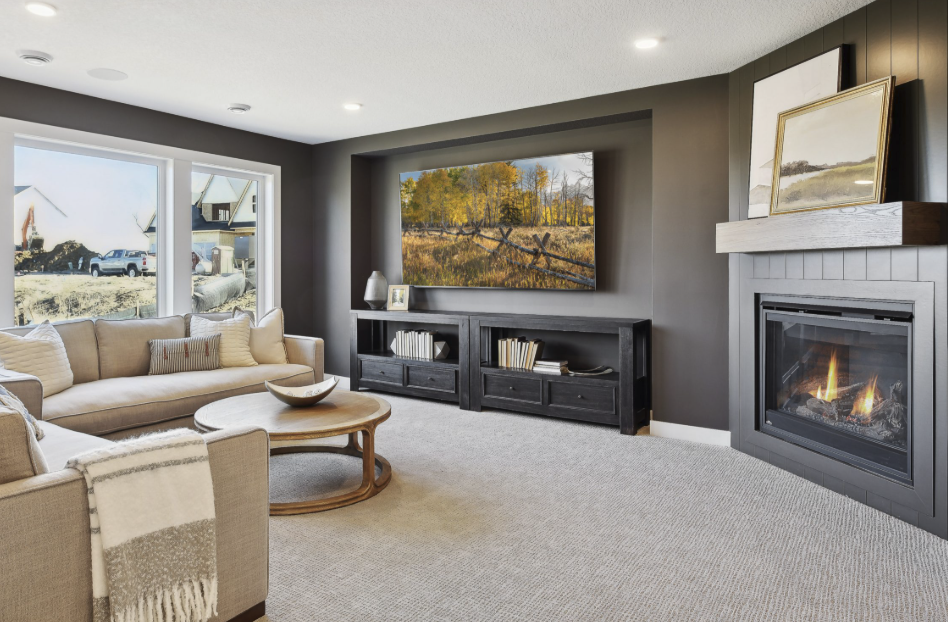
Owning less has quietly become a lifestyle choice for a growing number of households, not out of minimalism as a philosophy but out of practical necessity and shifting financial habits. Furniture rental services now furnish entire apartments for young professionals moving between cities.
Appliance subscription programs let renters swap a washing machine without a repair call or a bulky purchase. Clothing rental platforms rotate closets full of items that would otherwise sit unworn after a single occasion.
Together these services represent a rental economy that extends far beyond the traditional territory of car leases and vacation rentals, reshaping how people furnish a home, dress for an event, and manage the appliances that keep a household running.
Furniture Rental for a Mobile Generation
Companies such as CORT and Feather have built businesses around furnishing apartments for people who expect to move again within a year or two, a group that includes recent graduates, military families relocating on short notice, and remote workers testing out a new city before committing to it.
Renting a full living room and bedroom setup avoids the cost and hassle of buying furniture that might need to be sold, donated, or hauled across the country at the next move. Monthly rental fees typically bundle delivery, assembly, and eventual pickup, a level of convenience that appeals strongly to renters without a truck, tools, or the time to build furniture themselves.
The pricing math on furniture rental works best for shorter stays, since paying a monthly fee for several years will typically exceed what the same furniture would have cost to buy outright. Renters weighing the decision tend to calculate a break-even point, often somewhere between twelve and eighteen months, beyond which ownership becomes the cheaper option. For someone confident they will stay in one place for years, buying used furniture through a marketplace like Facebook Marketplace or a local thrift store usually makes more financial sense than an ongoing rental subscription.
Corporate relocation programs have also fueled demand for furniture rental, since companies moving employees for a temporary assignment often prefer to pay a predictable monthly fee for a fully furnished apartment rather than shipping an employee’s own furniture across the country or covering the cost of a full household move.
Relocation specialists working with large employers frequently partner directly with furniture rental companies, building bundled packages that include a furnished apartment lease alongside the moving logistics, which simplifies what used to be a fragmented and stressful process for employees uprooting their household on short notice. This corporate channel has become a solid revenue stream for several rental companies, supplementing the individual consumer market with steadier, higher-volume contracts.
- Short-term cost efficiency: Furniture rental tends to make the most financial sense for stays under about eighteen months.
- Bundled logistics: Delivery, assembly, and pickup are typically included in a rental fee, removing a major hassle for frequent movers.
- Damage and wear policies: Most rental agreements include some allowance for normal wear, with additional fees charged for damage beyond that threshold.
- Buyout options: Many furniture rental companies let a renter purchase a piece outright after a set rental period if they decide to stay longer.
Appliance Subscriptions Replace Ownership
Buying a washing machine, refrigerator, or dishwasher outright has traditionally meant absorbing the full cost of repairs and eventual replacement once the appliance breaks down. A newer category of appliance subscription services flips that model, charging a monthly fee that includes the appliance itself along with maintenance and replacement if something breaks.
Whirlpool and other manufacturers have experimented with subscription programs for major appliances, while startups have built entire businesses around leasing washers and dryers directly to renters who do not want to buy a unit they might not be able to take with them at the end of a lease.
This model appeals strongly to landlords and property managers outfitting multi-unit buildings, since a subscription arrangement shifts the burden of maintenance and eventual replacement away from an in-house maintenance team and onto the appliance provider.
For individual renters, appliance subscriptions solve a specific problem common in furnished or short-term housing: the need for a washer and dryer without the capital cost or the complication of reselling the unit when a lease ends. Energy-efficient appliance upgrades have become easier to access this way as well, since a subscription model lets a household access a newer, more efficient unit without financing a large purchase.
Utility companies in some regions have taken an interest in appliance subscription models as a tool for encouraging energy efficiency at scale, occasionally partnering with rental providers to offer discounted subscriptions on appliances that carry an Energy Star rating. This approach lets a utility reduce demand on the electrical grid without requiring customers to make a large upfront investment in a new appliance, aligning the utility’s interest in efficiency with a renter’s interest in avoiding a big purchase.
A handful of pilot programs have tested this model in select markets, though widespread adoption across major utility providers has not yet materialized at a national scale.
- Maintenance included: Subscription appliance services typically cover repair costs and replacement parts as part of the monthly fee.
- No resale hassle: Renters avoid the challenge of selling or disposing of an appliance when they move, since it belongs to the provider.
- Landlord adoption: Property managers increasingly use appliance subscriptions to furnish rental units without tying up capital in owned equipment.
- Access to newer models: Subscribers can sometimes upgrade to a newer, more energy-efficient appliance without paying the full retail price upfront.
Clothing Rental Fights for a Foothold
Clothing rental platforms such as Rent the Runway pioneered a model built around special-occasion dressing, letting subscribers borrow designer dresses and formalwear for a fraction of the retail price rather than buying an outfit they might wear only once. The category expanded during the 2010s into everyday wardrobe rotation subscriptions, promising subscribers a rotating closet of work and casual
clothing delivered monthly. This broader ambition has proven harder to sustain than the special-occasion niche, with several platforms scaling back their everyday rotation offerings or shifting focus back toward event-specific rentals where demand has remained more consistent.
The logistics of clothing rental are more complicated than furniture or appliances, since garments require cleaning, quality inspection, and repair between each rental cycle, and fashion trends shift quickly enough that inventory can become outdated faster than a couch or a refrigerator ever would. Sustainability-minded shoppers have embraced clothing rental as an alternative to fast fashion’s disposal problem, viewing a shared wardrobe model as a way to access variety without contributing to the volume of clothing that ends up in landfills each year.
Whether this sustainability appeal is enough to sustain the business model long-term remains an open question, given the thin margins reported by several companies in this space.
- Special-occasion focus: Designer dress and formalwear rental remains the strongest and most consistent segment of the clothing rental market.
- Everyday rotation challenges: Subscription models built around casual weekly wardrobe rotation have struggled to sustain demand compared with occasion-based rental.
- Cleaning and inspection costs: Garments require professional cleaning and quality checks between rentals, adding operational expense not present with furniture or appliances.
- Trend turnover: Fast-changing fashion trends can make rental inventory outdated more quickly than durable goods like couches or refrigerators.
Kids clothing rental has emerged as a smaller but resilient niche within this broader category, since children outgrow clothing so quickly that a subscription model addresses a problem parents already recognize firsthand. Companies focused on this segment have positioned their service around
sustainability and cost savings simultaneously, arguing that a rotating subscription reduces both spending on rapidly outgrown clothes and the waste generated by garments worn only a handful of times before no longer fitting.
Subscription Boxes and the Broader Access Economy
Beyond furniture, appliances, and clothing, the subscription model has spread into an expanding list of household categories, including toy rotation services for young children, tool rental for home improvement projects, and even subscription access to baby gear like cribs and strollers that a family needs for only a limited window of time. These services share a common logic with their larger counterparts: many purchases are needed intensely for a short period and then become clutter, making a rotating access model more practical than outright ownership for a specific stretch of life.
Tool libraries, some run as nonprofit community programs and others as for-profit subscription services, let homeowners borrow power tools for an occasional project rather than buying equipment that might be used only once or twice a year. Baby gear rental addresses a similar pattern, since cribs, strollers, and car seats are needed intensely during a narrow window of a child’s early years before becoming unnecessary as the child grows.
These smaller subscription categories may never reach the scale of furniture or appliance rental, but they reflect the same underlying shift toward treating access, rather than ownership, as the default expectation for goods with a limited useful window in a household’s life.
- Toy rotation services: Subscription boxes that rotate age-appropriate toys reduce clutter while keeping children engaged with new items regularly.
- Tool libraries: Community and for-profit tool lending programs let homeowners access equipment needed only occasionally without a full purchase.
- Baby gear rental: Cribs, strollers, and car seats needed for a limited window of early childhood are increasingly available through rental subscriptions.
- Seasonal equipment access: Items like snow gear or camping equipment used only part of the year are well suited to rental rather than storage.
Cost Comparisons Against Traditional Ownership
Deciding whether a rental subscription makes financial sense requires comparing the total cost of renting over a realistic time horizon against the upfront cost of buying, financing, or repairing an owned item.
For furniture and appliances, this comparison depends heavily on how long someone expects to stay in one place and how much they value avoiding the logistics of moving, reselling, or disposing of an item later. A renter who moves every year captures real value from a subscription model, while someone settling into a long-term home is more likely to save money by purchasing outright, even accounting for eventual repair or replacement costs.
Clothing rental math works differently, since the comparison is less about a single large purchase and more about the cumulative cost of buying multiple special-occasion outfits that would otherwise sit unworn in a closet. For someone attending several weddings, galas, or formal work events each year, a rental subscription can noticeably reduce total spending on clothing that has limited reuse value.
For someone who wears the same handful of versatile outfits repeatedly, traditional ownership remains the more economical choice, since the rental subscription fee accumulates regardless of how often a subscriber places an order.
- Move frequency: Frequent relocation favors furniture and appliance rental, while long-term stability favors ownership.
- Event frequency: Clothing rental delivers the most value for subscribers attending several formal occasions each year.
- Storage and space constraints: Smaller living spaces benefit from rental models that avoid accumulating owned furniture and clothing over time.
- Total cost over time: Calculating a realistic break-even point against the upfront cost of buying helps determine whether a subscription ends up saving money.
Environmental and Consumer Protection Considerations

Proponents of the rental economy frequently frame it as a more sustainable alternative to constant new purchases, since shared furniture, appliances, and clothing theoretically extend the useful life of each item across multiple users rather than ending in a landfill after a single owner discards it.
Whether this promise holds up depends heavily on how rental companies handle damaged or worn-out inventory, since items that cannot be repaired or resold still eventually reach the end of their usable life, just on a different timeline than an owned item would.
Consumer protection concerns have also emerged around rental contracts, especially regarding damage fees, automatic renewal terms, and the total cost disclosed upfront compared with what a subscriber ultimately pays after add-on charges. Some states have extended existing rent-to-own regulations, originally written for furniture and electronics rental stores, to cover newer subscription-based rental models, requiring clearer disclosure of total cost and cancellation terms.
Shoppers considering a rental subscription are generally advised to read the full contract terms carefully, paying close attention to damage liability and what happens if a subscription is canceled partway through a billing cycle.
Insurance considerations also come into play for renters using these services, since a renter’s insurance policy may or may not cover damage to a rented item depending on how the policy defines personal property versus items owned by a third party.
Some rental companies build a damage waiver fee directly into the monthly subscription cost, functioning similarly to the optional insurance offered on a rental car, while others leave damage coverage entirely up to the subscriber’s own renter’s insurance policy. Reviewing both the rental agreement and an existing insurance policy before signing up can prevent an unpleasant surprise if an item is damaged or lost during the rental period.
Final Thoughts
The rental economy has grown well past its early association with cars and vacation homes, extending into furniture, appliances, and clothing as households look for flexibility without the commitment of ownership. The math favors renting most clearly for people who move often, attend occasional formal events, or want to avoid the logistics of buying and eventually disposing of large items.
For others, traditional ownership still makes more financial sense over time.
As more companies enter this space and consumer protection rules catch up with newer subscription models, shoppers will likely have clearer information to decide which approach fits their own living situation and budget, whether that means a fully furnished apartment for a short assignment or a single rented dress for a weekend wedding.
Frequently Asked Questions
Is furniture rental cheaper than buying new furniture?
For short stays, typically under about eighteen months, furniture rental tends to cost less than buying and later reselling or disposing of furniture, while longer stays usually favor ownership.
How do appliance subscriptions handle repairs?
Most appliance subscription services include maintenance and repair as part of the monthly fee, sending a technician or replacement unit rather than requiring the subscriber to arrange and pay for repairs separately.
Does clothing rental reduce a household’s environmental footprint?
Clothing rental can reduce the number of garments a person needs to own, though the environmental benefit depends on how efficiently a rental company manages cleaning, shipping, and the eventual disposal of worn-out items.
What happens if a rented item is damaged?
Most rental agreements include an allowance for normal wear, with additional fees charged for damage beyond that threshold, so reviewing the specific damage policy before signing up is worthwhile.
Are rental subscriptions a form of rent-to-own?
They are related but distinct: traditional rent-to-own agreements typically build toward eventual ownership, while many modern subscription rental services are designed around continuous use without an ownership endpoint.
Who benefits most from renting instead of buying?
People who move frequently, attend occasional formal events, or want access to newer models without a large upfront purchase tend to benefit most from rental subscriptions compared with traditional ownership.