


Cold plunge therapy, deliberately immersing oneself in extremely cold water for a set period, has moved from a niche practice associated with elite athletes into a mainstream wellness trend, with dedicated cold plunge tubs now marketed directly to everyday consumers alongside enthusiastic claims about dramatic health benefits. Separating what research genuinely supports from what remains largely speculative marketing requires looking carefully at the actual available evidence rather than relying on enthusiastic testimonials alone.
Understanding both the legitimate physiological effects this practice produces and the considerable gap between some marketing claims and current scientific consensus helps anyone considering cold plunge therapy make a more genuinely informed decision about whether it fits their specific goals and circumstances.
What Actually Happens Physiologically During Cold Immersion
Cold water immersion triggers an immediate, measurable physiological stress response, including rapid increases in heart rate, blood pressure, and stress hormone release as the body responds to the sudden temperature shock. This response, sometimes called the cold shock response, represents a genuine, well-documented physiological reaction that occurs reliably across research studying cold water immersion, regardless of debates about the practice’s broader claimed benefits.
Following this initial acute response, the body activates various adaptive mechanisms, including vasoconstriction, the narrowing of blood vessels near the skin’s surface, which research suggests may play a role in some of the anti-inflammatory effects associated with cold exposure. Understanding this basic physiological sequence provides useful context for evaluating which specific claimed benefits have plausible underlying biological mechanisms versus those that seem less directly connected to what actually happens within the body during cold immersion.
The Basic Physiological Response Sequence
- Immediate cold shock response includes rapid heart rate and blood pressure increases
- Stress hormone release occurs as an acute reaction to sudden temperature change
- Vasoconstriction narrows blood vessels near the skin’s surface during cold exposure
- These physiological changes provide the biological basis for various claimed practice benefits
Recovery and Inflammation Claims With Reasonable Research Support
Among cold plunge therapy’s various claimed benefits, its use for post-exercise recovery carries relatively more research support than many other claims, with several studies suggesting cold water immersion following intense exercise may reduce perceived muscle soreness and, in some research, measurable inflammatory markers compared to passive recovery without cold exposure. This application has driven much of cold therapy’s adoption among athletes, predating its more recent expansion into broader general wellness marketing.
Research in this specific area does show some genuinely mixed results, however, with certain studies suggesting cold immersion might actually blunt some of the beneficial adaptive responses that exercise-induced inflammation typically triggers for muscle strength and growth over time, creating a genuine tension for athletes specifically focused on long-term strength building rather than purely short-term soreness reduction following individual training sessions.
- Post-exercise recovery represents one of the better-researched cold therapy applications
- Some studies show reduced perceived soreness and inflammatory markers following cold exposure
- Mixed research suggests possible interference with beneficial exercise adaptation for strength athletes
- This tension matters specifically for athletes prioritizing long-term strength gains over immediate recovery
Mental Health and Mood Claims Requiring More Cautious Interpretation
Popular cold plunge marketing frequently emphasizes mental health and mood benefits, sometimes citing the genuine, measurable release of certain neurotransmitters and hormones during cold exposure as evidence for improved mood and reduced anxiety or depression symptoms. While cold exposure does trigger measurable changes in specific brain chemistry, the leap from this acute physiological response to meaningful, lasting mental health treatment benefit represents a considerably larger claim than current research has actually, conclusively established through rigorous clinical trials.
Some smaller studies have reported mood improvements following cold water immersion, though sample sizes have generally been limited, and rigorous, larger-scale clinical trials specifically examining cold therapy as a treatment for diagnosed anxiety or depression remain considerably less extensive than the confident marketing claims associated with cold plunge products might suggest to consumers encountering this messaging without deeper research into the underlying evidence quality.
- Cold exposure does trigger measurable, genuine changes in certain brain chemistry markers
- The connection between these acute changes and lasting mental health benefit remains less established
- Available studies on mood benefits have generally involved limited sample sizes
- Marketing claims often outpace the current state of rigorous clinical mental health research
A Concrete Example Illustrating the Evidence Gap
Consider a wellness brand marketing a home cold plunge tub with claims citing “activated brown fat” and “boosted metabolism” as key selling points, referencing genuine research showing cold exposure can activate brown adipose tissue, a type of fat tissue that generates heat and burns calories differently than typical body fat. This underlying physiological finding is genuinely accurate and represents legitimate, published research.
However, the marketing’s implied leap toward meaningful weight loss or dramatic metabolic transformation from regular cold plunge use considerably overstates what the underlying research actually demonstrates, since the magnitude of calorie burning from brown fat activation through typical cold plunge protocols remains genuinely modest compared to what achieving meaningful weight loss would actually require through this specific mechanism alone, without accompanying dietary and broader lifestyle changes working in combination.
Genuine Safety Considerations Worth Taking Seriously
Cold water immersion carries genuine safety risks that marketing materials don’t always adequately emphasize, particularly for people with underlying cardiovascular conditions, since the acute cardiovascular stress response cold immersion triggers can pose real risk for individuals with heart conditions who haven’t consulted a healthcare provider before beginning this kind of practice. Sudden cold water immersion has been associated with genuine cardiac events in vulnerable individuals, making medical consultation genuinely important before starting rather than an overly cautious formality.
Cold shock response can also, in some documented cases, trigger involuntary gasping and hyperventilation that poses genuine drowning risk if someone enters cold water unprepared or without appropriate safety supervision, particularly relevant for open water cold immersion rather than controlled, supervised settings like a properly designed cold plunge tub with appropriate safety features and reasonable exposure time limits built into the intended practice.
- Cardiovascular stress from cold immersion poses genuine risk for those with existing heart conditions
- Medical consultation before beginning this practice represents a genuinely important safety step
- Involuntary gasping responses create real drowning risk in unsupervised open water settings
- Controlled settings with appropriate safety features reduce though don’t eliminate these genuine risks
How Cold Exposure Compares to Other Recovery and Wellness Practices
Placing cold plunge therapy alongside other popular recovery practices, including sauna use, massage, and active recovery techniques, helps contextualize its specific role within a broader wellness routine rather than treating it as a singular, standalone solution. Some research has explored contrast therapy, alternating between cold and heat exposure, suggesting potential complementary benefits, though this combined approach introduces additional variables that make isolating cold exposure’s specific individual contribution more difficult to establish with confidence.
Compared to practices with more extensively established research support, like adequate sleep and regular moderate exercise, cold plunge therapy’s evidence base remains considerably less developed, suggesting it may be reasonably viewed as a potential complementary practice for people already addressing these more foundational wellness factors, rather than a replacement for practices with more robust supporting evidence behind their broader health benefits.
- Contrast therapy combining cold and heat exposure shows some complementary research interest
- Combining multiple recovery techniques makes isolating cold exposure’s specific contribution difficult
- Cold plunge evidence remains less developed than more foundational practices like sleep and exercise
- Reasonable positioning treats cold therapy as complementary rather than a standalone wellness solution
The Business Behind the Growing Cold Plunge Product Market
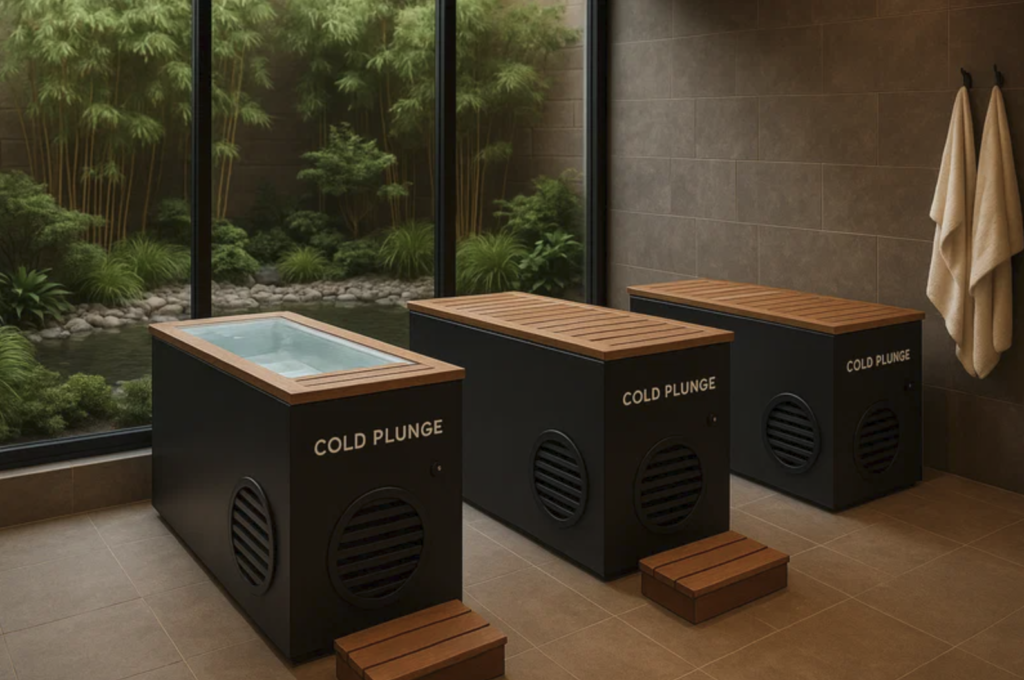
The consumer cold plunge market has grown into a genuinely substantial business category, with home cold plunge tubs ranging from relatively affordable basic models to premium units with integrated cooling and filtration systems commanding prices comparable to major home appliances. This commercial growth has occurred alongside, and partly independent of, the underlying research base, with marketing sophistication in some cases outpacing the scientific evidence supporting specific product claims made to prospective consumers.
Wellness influencers and public endorsements from athletes and celebrities have played a substantial role in driving consumer interest, sometimes presenting personal anecdotal experience as though it carries the same weight as controlled clinical research, a pattern common across the broader wellness industry that makes genuinely evaluating specific product claims more challenging for consumers navigating this popular, rapidly growing but not always rigorously evidence-based market category.
- The consumer cold plunge product market has grown into a substantial commercial category
- Marketing sophistication has in some cases outpaced the underlying scientific evidence base
- Influencer and celebrity endorsements have significantly driven consumer interest and purchasing
- Personal anecdotal experience sometimes gets presented as equivalent to genuine clinical evidence
Comparing Athlete-Focused Versus General Consumer Marketing Claims
Marketing targeted at athletes tends to emphasize the more evidence-supported recovery applications, while marketing aimed at general wellness consumers more frequently ventures into the less substantiated mental health and metabolic claims discussed earlier. This distinction matters for evaluating any specific product or program, since the same underlying practice gets marketed quite differently depending on the target audience, with athlete-focused messaging generally staying closer to what current research actually supports.
Consumers encountering general wellness marketing benefit from applying somewhat more scrutiny than they might toward athlete-recovery-focused claims, recognizing that the broader consumer wellness market has historically shown a pattern of extending genuinely research-supported practices into considerably less substantiated territory once a practice gains mainstream popularity and commercial interest beyond its original, more narrowly evidenced application.
- Athlete-focused marketing generally stays closer to genuinely evidence-supported recovery claims
- General consumer wellness marketing more frequently makes less substantiated broader claims
- This pattern reflects a common trajectory where practices expand beyond original evidenced applications
- Applying differentiated scrutiny based on target audience helps evaluate specific marketing claims
How to Approach Cold Plunge Therapy Reasonably If Interested
For people without underlying health conditions who’ve consulted a healthcare provider and remain genuinely interested in trying cold plunge therapy, starting with shorter exposure times and gradually building tolerance, rather than attempting extended immersion immediately, represents a more reasonable, safety-conscious approach than following marketing suggestions that sometimes emphasize longer exposure times without adequately addressing genuine safety considerations for beginners.
Approaching specific claimed benefits with appropriately calibrated expectations, treating the more evidence-supported recovery applications with reasonable confidence while remaining considerably more skeptical of dramatic weight loss or mental health treatment claims, allows for a more genuinely informed decision about whether this practice fits personal goals, rather than either dismissing cold therapy entirely or accepting every specific marketing claim without appropriate scrutiny of the underlying evidence quality.
- Gradual exposure time increases represent a more safety-conscious approach for beginners
- Medical consultation before starting matters particularly for those with underlying health conditions
- Calibrating expectations differently across different claimed benefits reflects genuine evidence quality differences
- This balanced approach avoids both dismissive skepticism and uncritical acceptance of marketing claims
Final Thoughts
Cold plunge therapy offers some genuinely research-supported benefits, particularly around post-exercise recovery, alongside considerably more speculative claims regarding mental health treatment and dramatic metabolic transformation that current evidence doesn’t yet fully support at the confidence level much marketing materials suggest. Approaching this practice with genuine safety awareness and appropriately calibrated expectations, distinguishing evidence-supported claims from speculative marketing, offers a more useful foundation than either wellness trend enthusiasm or reflexive dismissal.
This article is for general informational purposes and is not a substitute for professional medical advice. Anyone with underlying health conditions should consult a healthcare provider before trying cold plunge therapy.
Frequently Asked Questions
1. Is cold plunge therapy safe for most healthy people to try?
Generally yes for people without underlying cardiovascular conditions, though consulting a healthcare provider before starting remains a reasonable precaution, particularly for anyone with any health concerns or uncertainty.
2. How cold does water need to be for genuine cold plunge therapy benefits?
Research protocols vary considerably, though most studied approaches use water considerably colder than typical swimming pool temperatures, with specific optimal temperatures remaining an area of ongoing research rather than firm consensus.
3. Can cold plunge therapy genuinely help with weight loss?
Current evidence suggests any metabolic effect remains modest compared to what meaningful weight loss typically requires, making this a considerably overstated claim relative to what research actually demonstrates.
4. Should athletes use cold plunge therapy after every single workout?
This depends on training goals; athletes prioritizing long-term strength adaptation might reasonably use it more selectively, given research suggesting possible interference with some beneficial exercise adaptation responses.
5. How long should a typical cold plunge session last for beginners?
Starting with brief exposure periods and gradually building tolerance over subsequent sessions represents a more reasonable, safety-conscious approach than attempting extended immersion immediately as a genuine beginner.
6. Is there a genuine difference between cold showers and dedicated cold plunge tubs?
Both provide cold exposure, though plunge tubs typically allow more complete, controlled immersion at consistently colder temperatures than most home shower systems can practically achieve and maintain.
7. Do cold plunge benefits require daily practice to maintain?
Most research protocols involve regular but not necessarily daily exposure, and specific optimal frequency remains an area where research hasn’t yet established firm, universally applicable consensus recommendations.
8. Is there a meaningful difference between ice baths and commercial cold plunge tubs?
Both achieve similar cold exposure effects; commercial tubs simply offer more convenient, consistent temperature control and filtration compared to the more manual, less precise approach of a homemade ice bath setup.
9. Can pregnant individuals safely try cold plunge therapy?
Most healthcare providers recommend particular caution or avoidance during pregnancy, given the cardiovascular stress response involved, making medical consultation especially important before considering this practice during pregnancy.