

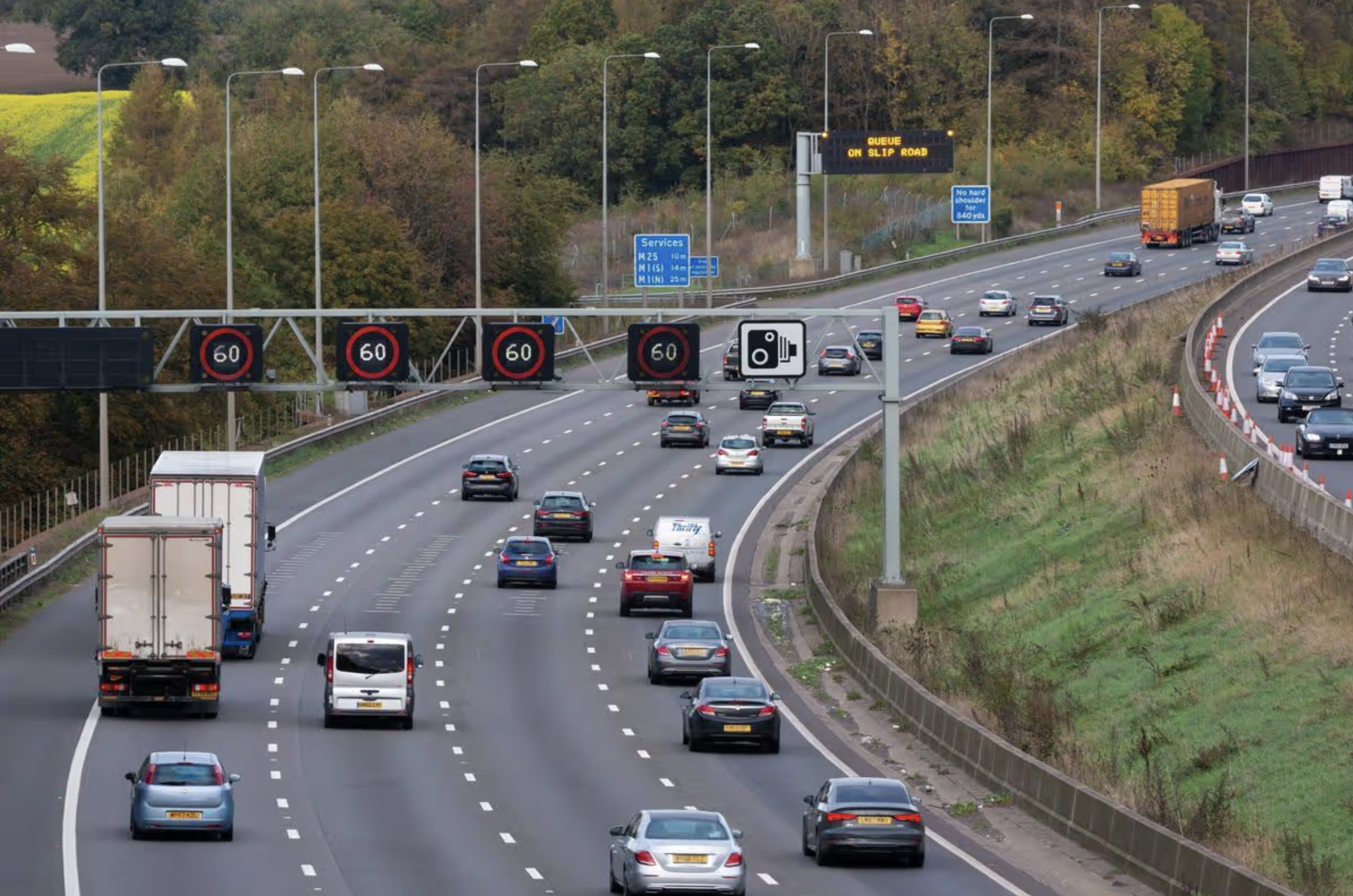
We are witnessing a rapid escalation in the health consequences of air pollution across the United Kingdom. Once considered a long-term environmental concern, air pollution has now evolved into an immediate and aggressive public health threat, affecting individuals far earlier in life than previously anticipated. Emerging evidence indicates that exposure to polluted air is no longer just shortening lifespans; it is accelerating the onset of chronic diseases, weakening immune systems, and degrading the quality of life across all age groups.
Understanding the Scale of Air Pollution in the UK
The United Kingdom faces a complex mix of pollution sources, including vehicle emissions, industrial activities, construction dust, and residential heating. Cities such as London, Birmingham, and Manchester consistently report dangerous levels of particulate matter (PM2.5 and PM10) and nitrogen dioxide (NO₂).
These microscopic pollutants penetrate deep into the lungs and bloodstream, triggering a cascade of biological damage. What makes the situation more alarming is that even moderate exposure levels, once deemed safe, are now linked to early disease development.
Early Onset of Chronic Diseases Linked to Pollution
Respiratory Disorders Emerging Earlier
We are observing a sharp rise in early-onset respiratory illnesses, including Asthma and Chronic Obstructive Pulmonary Disease. Children and young adults, who were traditionally considered low-risk groups, are now experiencing persistent breathing difficulties, reduced lung capacity, and chronic inflammation.
Polluted air irritates the airway linings, causing long-term structural damage. Over time, this leads to irreversible respiratory decline, often manifesting years earlier than expected.
Cardiovascular Diseases on the Rise
Air pollution is not limited to lung damage. It significantly contributes to cardiovascular diseases, including Heart Disease and Stroke. Fine particulate matter enters the bloodstream, promoting arterial plaque buildup, increasing blood pressure, and triggering inflammation.
We now see individuals in their 30s and 40s developing conditions previously associated with much older populations, highlighting a dangerous shift in disease timelines.
Neurological and Cognitive Impacts
Emerging research reveals that air pollution also affects the brain. Exposure to toxic air has been linked to cognitive decline, memory impairment, and increased risk of neurodegenerative diseases such as Alzheimer’s Disease.
Children exposed to polluted environments often show reduced attention spans and impaired cognitive development, suggesting that air quality directly influences mental performance and long-term brain health.
Vulnerable Populations at Greater Risk
Children and Infants
We recognize that children are among the most vulnerable. Their developing lungs and immune systems make them highly susceptible to pollution-related damage. Exposure during early life stages can result in lifelong health complications, including reduced lung function and chronic illness.
Elderly Individuals
Older adults face increased risks due to pre-existing health conditions. Polluted air exacerbates respiratory and cardiovascular issues, leading to higher hospitalization rates and premature mortality.
Low-Income Communities
Air pollution disproportionately affects economically disadvantaged populations, often living in high-traffic or industrial areas. Limited access to healthcare further intensifies the impact, creating a cycle of environmental and health inequality.
Invisible Threat: Indoor Air Pollution
While outdoor pollution dominates headlines, we must not overlook indoor air quality. Homes and workplaces often trap pollutants such as volatile organic compounds (VOCs), dust, and mold spores. Poor ventilation compounds the issue, exposing individuals to continuous low-level toxicity.
Indoor pollution can be just as harmful, contributing to chronic fatigue, headaches, respiratory irritation, and long-term illness.
Economic and Social Consequences
The health impact of air pollution extends beyond individuals, placing a significant burden on the healthcare system. Increased hospital admissions, long-term treatments, and loss of productivity result in billions of economic costs annually.
We also observe declining workforce efficiency, as more individuals experience fatigue, illness, and reduced cognitive function. This directly affects national productivity and economic growth.
Government Policies and Their Limitations
The UK government has introduced measures such as Clean Air Zones (CAZ) and emissions regulations. While these initiatives represent progress, they are often insufficient to address the scale of the problem.
Enforcement gaps, slow policy implementation, and continued reliance on fossil fuels hinder meaningful improvement. We require more aggressive, data-driven strategies to combat pollution effectively.
Technological Innovations and Sustainable Solutions
Transition to Clean Energy
A shift toward renewable energy sources such as wind, solar, and hydroelectric power is essential. Reducing reliance on fossil fuels directly lowers emissions and improves air quality.
Electric Vehicles and Public Transport
The adoption of electric vehicles (EVs) and the expansion of efficient public transportation systems can significantly reduce urban pollution levels. Encouraging sustainable commuting habits is a critical step toward cleaner air.
Urban Green Spaces
Increasing the number of parks, trees, and green infrastructure helps absorb pollutants and improve overall air quality. Urban planning must prioritize environmental sustainability alongside development.
Personal Strategies to Reduce Exposure
While systemic change is necessary, individuals can take proactive steps to protect themselves:
- Use air purifiers indoors to reduce pollutant levels
- Avoid high-traffic areas during peak hours
- Wear protective masks in heavily polluted environments
- Maintain proper ventilation at home
- Monitor air quality indexes regularly
These actions, while small, can significantly reduce daily exposure to harmful pollutants.
The Urgent Need for Collective Action
We must acknowledge that air pollution is not a distant threat—it is a present and escalating crisis. The early onset of diseases signals a fundamental shift in public health dynamics, requiring immediate and coordinated action.
Governments, industries, and individuals must work together to implement sustainable solutions, reduce emissions, and protect future generations. Without decisive intervention, the health consequences will continue to intensify, affecting millions across the UK.
Conclusion: A Defining Moment for Public Health
We stand at a critical crossroads where environmental policy directly determines human health outcomes. Air pollution is accelerating illness, shortening healthy lifespans, and placing unprecedented strain on society.
For deeper insight into this issue, you can explore the detailed report published by The Guardian, which highlights how air pollution is causing people in the UK to develop long-term illnesses much earlier than expected.
By prioritizing clean air initiatives, technological innovation, and public awareness, we can reverse this trend and create a healthier, more sustainable future. The urgency is clear, and the time for action is now.