

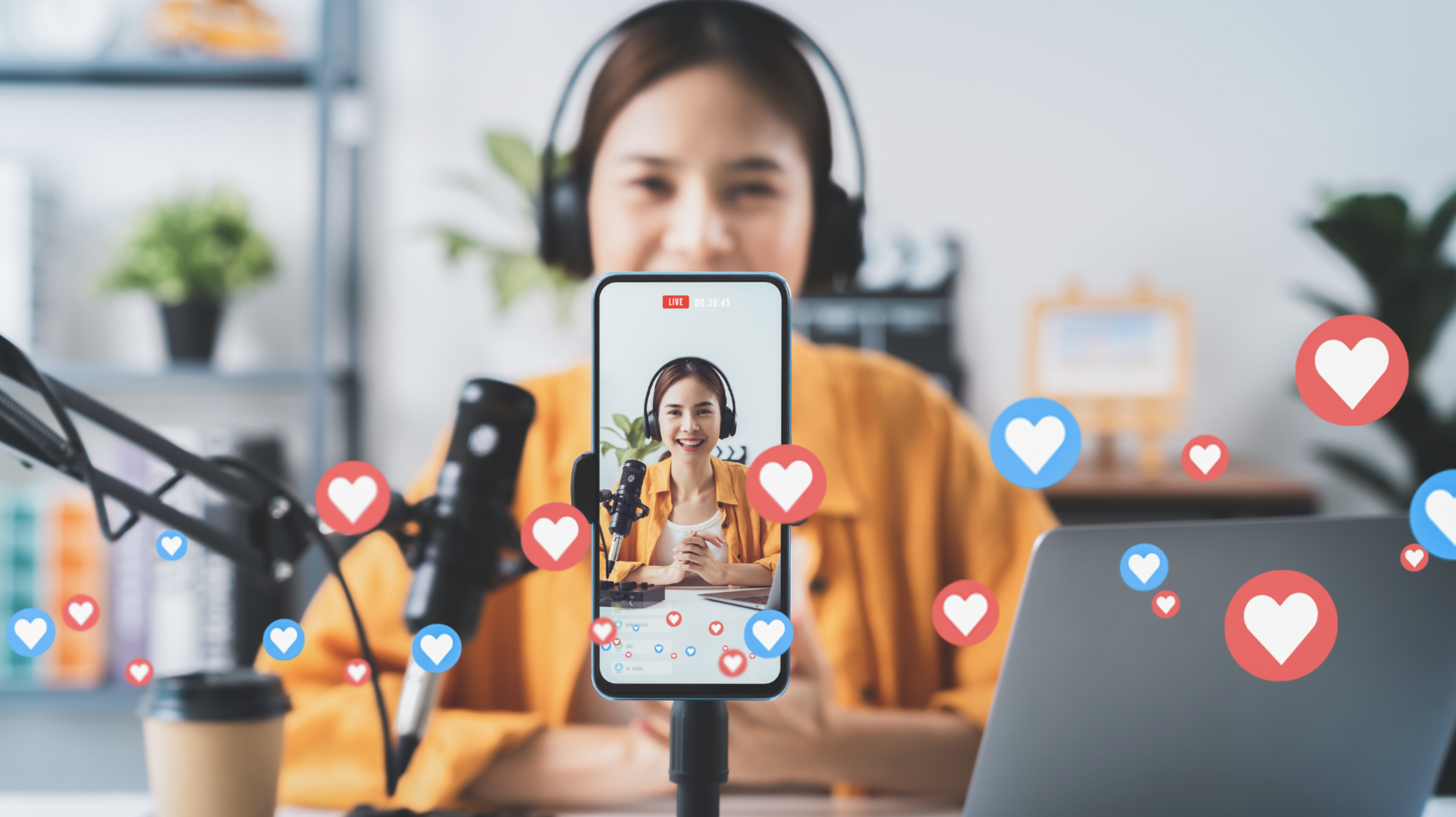
Social media has changed the way people discover products, research brands, and decide what to buy. Instead of relying only on traditional advertisements, many consumers now look to creators they follow for recommendations, reviews, tutorials, and opinions.
This is where influencer marketing comes in.
Influencer marketing allows businesses to work with creators who have an established audience on platforms such as Instagram, YouTube, TikTok, Facebook, and other social networks. Instead of communicating with potential customers entirely through traditional advertising, brands collaborate with creators to introduce products or services through content that fits the creator’s audience and style.
However, influencer marketing in 2026 is very different from simply paying someone with a large following to promote a product. Brands are increasingly interested in audience quality, engagement, authenticity, content performance, and measurable results.
So, what exactly is influencer marketing, how does it work, and how can businesses use it effectively in 2026?
Let’s break it down.
What Is Influencer Marketing?
Influencer marketing is a digital marketing strategy in which a business collaborates with a creator or influential individual to promote a product, service, brand, or campaign to their audience.
An influencer doesn’t necessarily need millions of followers.
Someone with a smaller but highly engaged audience can sometimes be more useful to a brand than a celebrity with a massive but less relevant following.
For example, a company selling photography equipment might collaborate with a photography creator whose audience is interested in cameras, lenses, editing, and photography tutorials.
The creator might produce:
- Product reviews
- Tutorials
- Demonstration videos
- Sponsored posts
- Short-form videos
- Product comparisons
- Unboxing content
- Live streams
The goal is to introduce the brand to a relevant audience in a way that feels natural and useful.
How Does Influencer Marketing Work?
An influencer marketing campaign usually follows several basic steps.
1. Define the Marketing Goal
Before searching for influencers, a brand should decide what it wants to achieve.
Possible goals include:
- Increasing brand awareness
- Driving website traffic
- Generating leads
- Increasing product sales
- Launching a new product
- Growing social media followers
- Creating user-generated content
A campaign designed to increase awareness may require a different influencer strategy than one focused on direct sales.
2. Identify the Target Audience
The next step is understanding who the campaign needs to reach.
Consider factors such as:
- Age group
- Interests
- Location
- Buying behavior
- Platform preferences
- Problems and needs
The influencer’s audience should closely match the people the brand wants to reach.
3. Find Relevant Influencers
Brands can search for creators manually or use influencer marketing platforms and agencies.
When evaluating an influencer, don’t focus only on follower count.
Look at:
- Engagement
- Audience relevance
- Content quality
- Posting consistency
- Audience demographics
- Previous brand partnerships
- Communication style
- Reputation
A creator with 20,000 highly relevant followers may deliver better results than someone with hundreds of thousands of unrelated followers.
4. Agree on the Campaign
Once a suitable creator is identified, the brand and influencer discuss the campaign details.
These may include:
- Content format
- Number of posts
- Publishing schedule
- Payment
- Creative requirements
- Disclosure requirements
- Usage rights
- Performance tracking
Clear expectations help prevent misunderstandings later.
5. Create and Publish the Content
The influencer creates content based on the agreed campaign.
The strongest campaigns usually provide creators with clear information about the product while still allowing them some creative freedom.
After all, creators understand their audiences better than most brands do.
6. Measure the Results
After the campaign is published, the brand evaluates its performance.
Common metrics include:
- Views
- Reach
- Engagement
- Website visits
- Clicks
- Leads
- Sales
- Conversion rate
- Cost per acquisition
- Return on investment
These results can help determine whether future campaigns should use the same creator, platform, or content format.
Types of Influencers in 2026
Influencers are often categorized by audience size, although follower counts can vary between platforms and marketing companies.
Nano Influencers
Nano influencers generally have small audiences but often focus on highly specific communities.
They can be useful for local businesses, niche products, and highly targeted campaigns.
Micro Influencers
Micro influencers have larger audiences than nano creators but still tend to maintain a focused niche.
They are popular with brands because they can combine reasonable reach with strong audience relationships.
Macro Influencers
Macro influencers have significantly larger audiences.
They can help brands reach a broad group of potential customers, particularly when awareness is the main objective.
Mega Influencers and Celebrities
These creators and public figures can reach enormous audiences.
They may be useful for large-scale campaigns, but working with them can require substantial budgets.
The most expensive influencer isn’t necessarily the best choice. Relevance and audience quality remain critical.
Why Is Influencer Marketing Important in 2026?
The creator economy continues to influence how people discover information and products online.
Every day, consumers encounter a vast flood of advertisements across various channels. Traditional advertisements can sometimes feel repetitive or easy to ignore.
Creators offer a different approach.
A creator may demonstrate how a product works, explain its advantages, compare it with alternatives, or show how they personally use it.
This can make promotional content more informative and relatable.
In 2026, brands are also increasingly interested in creators who can produce high-quality content that can be reused across multiple marketing channels.
For example, a short video created for a creator’s social media account might also become part of a brand’s advertising campaign, website, or product page, provided the necessary usage rights have been agreed upon.
Influencer Marketing vs Traditional Advertising
Traditional advertising typically involves a brand directly communicating its marketing message to consumers.
Influencer marketing introduces another person into that relationship.
For example:
Traditional advertising:
Brand -> Advertisement -> Customer
Influencer marketing:
Brand -> Creator -> Creator’s audience
The creator provides context around the product.
This can make the promotion feel more like a recommendation, demonstration, or piece of educational content.
However, influencer marketing still needs to be transparent. Sponsored relationships should be clearly disclosed according to applicable advertising rules and platform requirements.
What Are the Benefits of Influencer Marketing?
Influencer marketing can provide several advantages.
Increased Brand Awareness
Creators can introduce your business to people who may never have encountered your brand through traditional advertising.
Access to Niche Audiences
A creator focused on a particular subject can give your brand access to a highly relevant community.
For example, a software company could work with creators who specialize in productivity, technology, business, or education.
Authentic Content
Creators often understand how to present information in a way that matches their audience.
This can produce content that feels more natural than a traditional advertisement.
Social Proof
When potential customers see someone they trust discussing a product, it can provide additional context and confidence.
However, creators should be honest about sponsored products and should not make unsupported claims.
Content Creation
Influencer partnerships can also give brands a library of original content.
Depending on the agreement, businesses may be able to reuse creator content in:
- Social media campaigns
- Websites
- Paid advertisements
- Email marketing
- Product pages
Usage rights should always be agreed upon before the campaign begins.
How Much Does Influencer Marketing Cost in 2026?
There is no universal influencer marketing price.
Costs can vary significantly depending on:
- Audience size
- Engagement
- Platform
- Content format
- Campaign duration
- Creator’s niche
- Production requirements
- Usage rights
- Exclusivity
- Geographic market
A small creator may accept a modest payment or product-based collaboration, while established creators can charge significantly more.
Brands should therefore avoid creating a budget based solely on follower count.
Instead, consider the expected value of the campaign.
A creator who reaches the right audience and produces strong content can be more valuable than a creator with a much larger but less relevant following.
How to Choose the Right Influencer
Choosing the right creator is one of the most important parts of a successful campaign.
Check Audience Relevance
Does the creator’s audience actually care about your product?
Examine Engagement
Look at meaningful interactions rather than simply counting followers.
Review Previous Content
Study several posts rather than judging the creator based on one video.
Look for Authenticity
Creators who constantly promote unrelated products may have difficulty maintaining audience trust.
Check Audience Quality
It’s important to stay alert for unusual engagement behaviors or audiences that seem inauthentic.
Consider Brand Fit
Ensure that the creator’s voice, principles, and content style align well with your brand’s identity.
Influencer Marketing Trends in 2026
Influencer marketing continues to evolve.
Several trends are shaping campaigns in 2026.
Short-Form Video Remains Important
Short videos continue to be an effective format for product demonstrations, tutorials, reviews, and entertaining content.
Micro and Niche Creators Matter
Brands are increasingly recognizing that smaller creators can provide access to focused communities.
Long-Term Partnerships
Instead of working with a creator once, some businesses are building longer-term relationships.
Repeated collaborations can make campaigns feel more consistent and help creators become familiar with the product.
Creator Content Is Being Reused
Brands are increasingly interested in obtaining rights to reuse creator-produced content across their own marketing channels.
Such alignment can maximize the effectiveness and impact of each partnership.
AI Is Supporting Campaign Management
AI tools can help marketers analyze campaign data, organize creator research, generate ideas, and identify patterns in performance.
However, AI-generated recommendations should not replace human judgment when evaluating creators or audience relationships.
Common Influencer Marketing Mistakes
Influencer marketing can fail when brands focus on the wrong metrics or provide poor campaign direction.
Common mistakes include:
Choosing Influencers Based Only on Followers
A large following doesn’t guarantee results.
Ignoring Audience Relevance
The creator should reach people who could realistically become customers.
Overcontrolling the Content
Giving creators a detailed script can make sponsored content feel unnatural.
Provide important brand information while allowing room for the creator’s personality.
Forgetting Disclosure Requirements
Sponsored content should be clearly identified according to applicable laws and platform rules.
Failing to Track Results
Without measurement, you won’t know whether the campaign achieved its objective.
Expecting Immediate Sales
Some influencer campaigns are primarily designed for awareness and consideration rather than immediate purchases.
How to Build a Successful Influencer Marketing Strategy
A strong strategy starts with a clear goal.
Use this simple process:
1. Set a measurable objective.
Decide what success looks like.
2. Define your audience.
Understand who you want to reach.
3. Choose the right platform.
Different audiences behave differently across social networks.
4. Research creators carefully.
Look beyond follower numbers.
5. Create a clear campaign brief.
Explain the product, objectives, requirements, deadlines, and disclosures.
6. Give creators creative flexibility.
Let them communicate with their audience in their own voice.
7. Track performance.
Use unique links, discount codes, platform analytics, and other measurement tools where appropriate.
8. Learn from the results.
Identify which creators and content formats performed best.
Is Influencer Marketing Worth It in 2026?
For numerous companies, influencer marketing proves effective when it’s tailored to the appropriate audience and driven by clear, trackable objectives.
It can help a new brand gain visibility, allow established companies to reach niche communities, and provide businesses with original content.
However, it isn’t automatically successful.
The key is to treat influencer marketing as a strategic marketing channel rather than simply paying someone to mention a product.
Choose creators carefully, establish clear expectations, measure results, and prioritize authentic communication.
Final Thoughts
Influencer marketing has evolved considerably. In 2026, successful campaigns are less about finding the person with the biggest follower count and more about finding the right creator for the right audience and the right objective.
A strong influencer campaign combines audience relevance, trustworthy content, clear communication, appropriate disclosure, and measurable performance.
Whether you work with a nano influencer, micro creator, or major online personality, the basic principle remains the same: connect your brand with a creator whose audience genuinely has an interest in what you offer.
When that connection is authentic and strategically managed, influencer marketing can become a valuable part of a broader digital marketing strategy.
Frequently Asked Questions
1. What is influencer marketing in simple words?
Influencer marketing is when a business partners with a creator or influential person to promote its product, service, or brand to that creator’s audience.
2. How does influencer marketing work?
A brand identifies its target audience, finds relevant creators, agrees on campaign terms, provides product or information, and collaborates with the creator to produce promotional content. The brand then measures the campaign’s results.
3. How much does influencer marketing cost in 2026?
There is no fixed price. Costs depend on the creator’s audience, platform, engagement, content requirements, campaign length, usage rights, and other factors.
4. Are micro influencers effective?
Yes. Micro influencers can be particularly useful when a brand wants to reach a focused and relevant audience. Their smaller audiences can sometimes provide strong engagement and community connections.
5. Which social media platform is best for influencer marketing?
There isn’t one best platform for every business. Selecting the ideal platform hinges on understanding where your target market is most active and which content formats resonate most with your offerings.
6. Is influencer marketing better than traditional advertising?
Neither approach is automatically better. Influencer marketing can provide access to niche audiences and creator-led content, while traditional advertising can offer broader control and predictable distribution. Many brands use both as part of a larger marketing strategy.