


Fitness used to mean a solitary gym session or a private jog before work. Today, groups of runners gather on pavements, in parks and outside shops, and for many of them the conversation matters as much as the miles.
In this article we will explore why group running has grown into a social habit, what draws different people to it, how local businesses respond, what the risks and limits are, and how you can join or start a club safely and sustainably.
Running turns from a solo habit into a group event
Running has always had a social side, through school teams, athletics clubs and informal groups of friends. What has changed is how visible and how casual the format has become. Many cities now have groups that meet weekly outside a cafe, a shop or a community center, often with no membership requirement and no race ambitions. Commentators describe this as part of a wider shift in which exercise has become a way to meet people, not only a way to change your body.
The structure of a typical meeting is easy to picture. People gather ten minutes before the start, someone gives a short welcome and explains the route, and the group splits into smaller packs by pace. After the run, many groups stay for a drink or a chat, and this post-run gathering is often what turns acquaintances into friends. The whole event is usually over within an hour or so, which makes it fit into a busy week.
Several forces have encouraged the growth. Running needs little equipment, so the entry cost is low compared with many sports. It also scales well, because a fast runner and a slower one can share a route if the group is organized in loops or pace bands. Social media has made it easier to find and share meetups, and many people like the sense of belonging that comes from turning up regularly in the same place.
It would be easy to call this a fad, and some of it surely is, but running groups are a modern version of an old pattern. People have long gathered around shared physical activity, from village walking clubs to football teams and dance classes. The current wave is distinctive mostly because it is informal, open to all abilities and organized through phones. Whether the particular style endures is uncertain, though the underlying desire for active company is likely to remain.
Social motives sit alongside fitness goals
Ask runners why they joined a club and the answers range widely. Some want to get fitter or lose weight, and others want to prepare for a first race. Many simply want to meet people, especially after moving to a new city, changing jobs or working from home. Surveys of exercisers over the years have often suggested that enjoyment and social connection are strong predictors of whether people keep going, which is one reason groups can outperform good intentions.
Accountability is a powerful ingredient. If friends expect to see you at the start line on Tuesday evening, you are more likely to put on your shoes on a cold or tired day. Group commitments also remove decision fatigue, because the time, route and plan are set in advance. For people who have started and stopped solo programs many times, this external structure can make the difference.
There is also a psychological comfort in moving alongside others at a talking pace. Many clubs encourage a conversational effort, meaning you can speak in short sentences while running, which is a commonly used rule of thumb for easy aerobic exercise. Chatting makes the time pass faster and takes attention away from discomfort. For people who dislike the self-consciousness of a gym floor, an outdoor group can feel less exposing, because everyone is doing the same simple thing.
Not everyone is motivated in the same way, and clubs that recognize this tend to be more welcoming. Some people want a dating-friendly social scene, others prefer a quiet, supportive environment, and some want a serious training group with structured sessions. A few simply enjoy being near others without talking much. A good club gives space for all of these preferences without pressuring anyone to be sociable.
Health authorities in many countries recommend regular moderate physical activity for adults, with commonly cited guidance of around 150 minutes of moderate activity each week, along with muscle-strengthening work on two days. Running groups can help people reach those levels, but they are not the only route, and walking, cycling and swimming count too. If you are unsure whether running suits you, a doctor or physiotherapist can advise on safe ways to begin.
Beginner-friendly design is the secret of the format
The most successful run clubs share a few design choices that make a first visit feel safe. They say clearly that all paces are welcome, they offer shorter and longer route options, and they assign a friendly leader or sweeper who stays with the slowest group so nobody is left behind. They also explain the route in advance, mark turning points and describe what to do if someone needs to stop. These details sound small, but they address the biggest fear of beginners: being too slow or getting lost.
Walk-run intervals are a common technique used in beginner programs. A runner alternates short bursts of jogging with periods of brisk walking, gradually increasing the jogging portion over several weeks. This approach reduces the chance of overdoing it and allows the body to adapt to impact. Many clubs and widely used beginner plans follow the same idea, and it works for people of many ages and starting fitness levels.
Pace groups deserve a closer look. A well-organized club will split runners by comfortable effort, not by ambition, so that people at different speeds can chat while moving. Some groups use a loop route so faster runners can circle back and rejoin slower ones. If you are new, choose the slower pack at first, because it is easier to move up later than to recover from starting too hard.
Warm-ups and cool-downs are worth including. A few minutes of brisk walking, gentle leg swings and easy jogging prepares the body, and a short walk afterward lets breathing and heart rate settle. Many clubs build these into the session and invite people to stretch lightly at the end. They cost nothing and help the group feel like a team.
Equipment can be kept simple. Comfortable, supportive running shoes that fit well are the main investment, and many specialist shops can assess your gait or fit without pressure to buy the most expensive pair. Wear clothing suited to the weather, layered so you can adjust. In the dark, carry or wear something reflective and a light so drivers and cyclists can see you.
The table below gives a quick checklist for judging whether a run club is a good fit for a beginner. It is a guide, not a rulebook. Local clubs vary widely, so use your own judgment after a visit or two.
| What to look for | Good sign | Warning sign |
| Pace options | Several groups, including walk-run | One fast pace only |
| Welcome for newcomers | A named contact and a short introduction | Nobody speaks to first-timers |
| What to look for | Good sign | Warning sign |
| Route information | Shared in advance, with shorter options | Vague or changing without notice |
| Safety | Lights, reflective gear, sweeper at the back | No plan if someone is hurt |
| Cost | Free or clearly stated, no pressure to buy | Hidden fees or required gear |
| Atmosphere | Friendly, inclusive, relaxed after the run | Cliquey, competitive or judgmental |
Different runners find different reasons to turn up
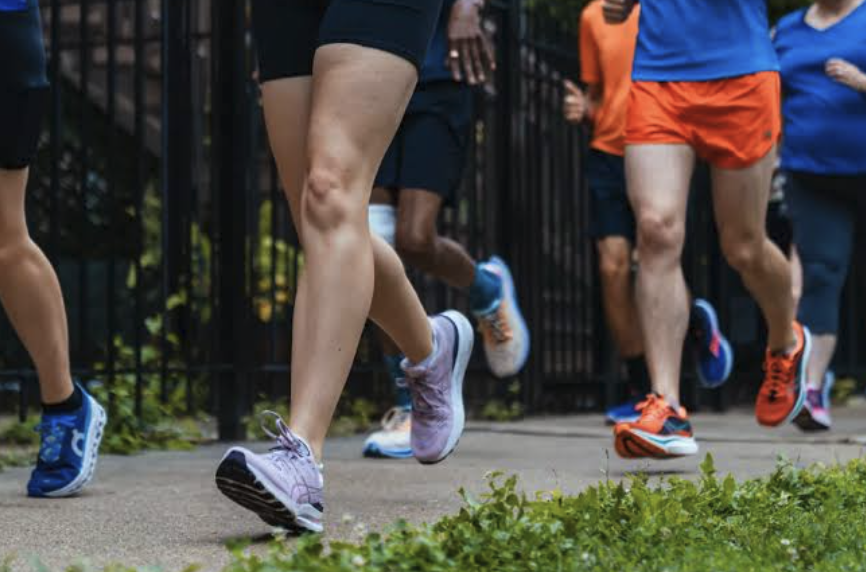
The boom is not one crowd but several. Newcomers to a city often use a club as a social shortcut, since a weekly run offers ready-made company without the awkwardness of arranging a first meeting. Parents of young children may value the hour of adult conversation as much as the exercise. Older runners often appreciate the routine, the encouragement and the chance to stay active alongside people of similar pace.
Experienced runners sometimes join to find training partners or to meet a coach, and they may use a social club as a relaxed complement to harder sessions. Others return to running after a long break and want a gentle, welcoming reentry. Some people take part mainly to support a friend, a cause or a community event. Observers note that a club which serves several of these groups at once tends to feel lively and mixed.
Work culture plays a part. Some employers encourage staff running groups, and professionals who spend the day at a screen often say that an outdoor session helps them switch off. Networking happens too, although the better clubs discourage turning a run into a sales pitch. A relaxed rule is to keep the conversation friendly and leave the business cards at home.
Online habits shape the scene. Messaging groups announce routes and weather changes, and photo posts show new faces that a club is friendly. That visibility can lower the barrier for hesitant newcomers, who can see what to expect before they arrive. It can also create a polished impression that hides the plain truth that most sessions are simply people jogging and talking.
Local businesses build around the weekly run
Businesses have noticed that a group of thirty or forty people arriving at the same time each week is valuable. Cafes, bars and bakeries often host a meetup because runners arrive before opening or return thirsty, and they tend to spend money on drinks and food. Running shops use clubs to build a customer base and offer advice on shoes and clothing. Gyms, physiotherapists and sports massage practitioners sometimes sponsor groups to reach potential clients.
For the host business, the benefits go beyond sales. A weekly crowd puts a venue on the neighborhood map and gives staff a friendly set of regulars. For the club, a host provides a meeting point, somewhere to leave bags, shelter in poor weather and sometimes small discounts. When the relationship works, both sides gain without either dominating the other.
There are tensions to watch. Some critics worry that commercial sponsorship can turn a community activity into a marketing exercise, with branded kit and pressure to buy. Neighbors may object to noise, crowding on pavements or early-morning gatherings. Responsible clubs deal with this by keeping groups tidy, running in small packs, using shared paths courteously and thanking the places that host them.
Brands also see opportunity. Many sports companies sponsor events, offer product trials and encourage staff to lead community runs. This can bring resources and energy, but it can also change the feel of a group, so it is sensible to ask who organizes it and what is expected of participants. A free, volunteer-led club with no obligation is a different experience from a brand-led event, and both have a place.
Some clubs grow into formal organizations, with committees, insurance and affiliation to a national running body, while others remain loose gatherings. Formal structures can provide trained leaders, first aid knowledge and clearer safety rules, though they sometimes involve membership fees. Informal groups offer flexibility and low cost but may lack a safety framework. Rules, insurance requirements and liability arrangements differ by country, so organizers should check local guidance.
Pace, safety and the injury question
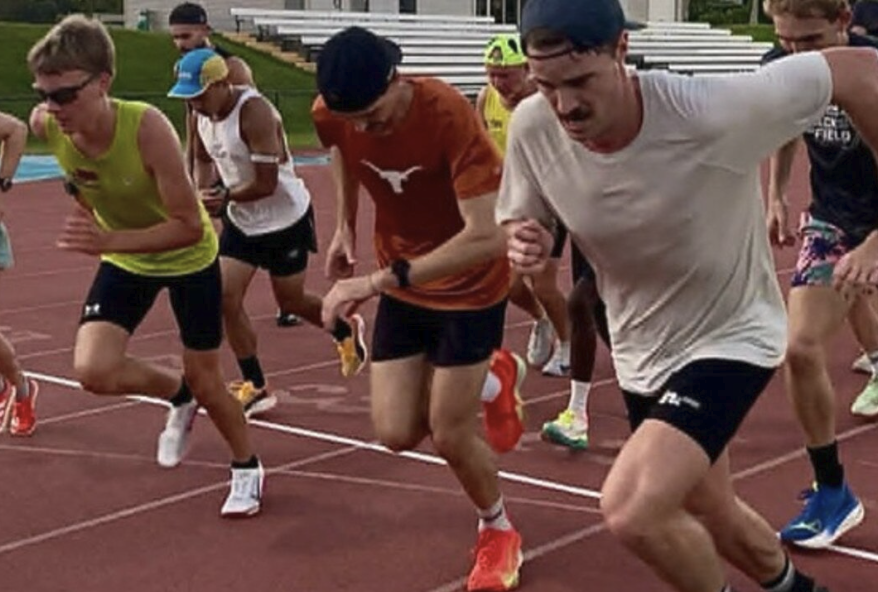
Running is accessible, but it is not risk-free. Common problems include sore shins, knee pain, tight calves, blisters and overuse injuries from increasing distance or speed too quickly. Many coaches and health bodies commonly suggest increasing training gradually, building in rest days and avoiding sudden jumps in weekly mileage. A group can make it harder to follow this advice if you feel pressure to keep up with faster friends.
Listening to your body is the central rule. Mild muscle fatigue after a new activity is normal, but sharp, worsening or persistent pain is a signal to stop and seek advice. Chest pain, unusual shortness of breath, dizziness, fainting or an irregular heartbeat during exercise need prompt medical attention, and anyone with a heart condition, diabetes, asthma, pregnancy or other health concerns should speak to a doctor before starting a new program. These are general points, and your own clinician can give advice specific to you.
Environmental safety matters as well. In hot weather, runners should drink fluids, slow down and avoid the hottest part of the day, while in cold or icy conditions they need warm layers and attention to footing. Runners in low light should wear bright or reflective clothing and ideally use a front light and rear light. Group leaders should know the route, carry a phone, and have a plan for emergencies, including how to call for help and who stays with an injured runner.
Personal safety is a concern too, especially for people running alone or in the dark. Joining a group addresses some of this, since there is safety in numbers, but runners should still be aware of their surroundings, avoid isolated routes at night and tell someone where they are going. Keep volume low if you wear headphones, or leave one ear free. If a route or situation feels unsafe, change it without embarrassment.
Recovery is part of training, and clubs that emphasize it keep their members longer. Sleep, food, hydration, rest days and gentle mobility work all support the body as it adapts. A club that celebrates showing up, rather than only fast times, tends to see fewer injuries and less burnout. If pain lingers beyond a few days, a physiotherapist or doctor is the right person to consult.
Hype, cost and the risk of leaving people out
Like any popular trend, social running attracts exaggeration. It is sometimes described as a replacement for therapy, dating apps or entire social lives, and that goes too far. Exercise can support mood and provide company, but it does not substitute for professional care if someone is struggling with depression, anxiety or an eating disorder. A balanced view treats running clubs as one helpful part of a healthy routine.
Cost is a legitimate concern. The activity itself is cheap, yet the surrounding culture can nudge people to spend on shoes, watches, apparel, race entries and post-run coffees. For someone on a tight budget, the pressure to keep up with matching kit can feel exclusionary. The best clubs say plainly that nobody needs fancy gear, and that old shoes and a plain t-shirt are fine for a first visit.
Inclusion is another challenge. Some groups can feel dominated by fit, young or highly social people, and runners who are larger-bodied, older, disabled, neurodivergent or new to exercise may worry about being judged. Others face practical barriers such as evening meeting times that clash with caring duties or venues that are not accessible. Clubs that take inclusion seriously offer walk options, publish accessibility information, welcome different body types and ages, and set a tone of kindness.
There is also the question of staying power. Many people join with enthusiasm, then drift away after a few weeks when life gets busy or the novelty fades. Groups depend on volunteers, and organizers can burn out. Some clubs fade or split when leaders step back, while those that share responsibilities and keep the format simple last longer.
Social media can both help and harm. It makes events easier to find, but it can also encourage comparison, performance and the sense that a run does not count unless it is recorded and shared. If tracking apps motivate you, use them, and if they cause stress, take a break. The point of a club is the shared experience, not the data.
Making the habit last through busy weeks and bad weather
Consistency is the real prize of group running, and it takes planning. Pick a regular session that fits your schedule and treat it like an appointment. If your club has more than one weekly run, choose a primary one, and use the others as bonuses. Tell a friend or family member that you are going, and ask them to check in.
Prepare for the practical obstacles in advance. Lay out your kit the night before, keep a spare layer in your bag, and eat a light snack beforehand if you tend to run hungry. Plan for bad weather with waterproof layers, grip-friendly shoes and a mental rule that you will at least show up and decide at the start. Many people find that once they arrive, the group makes it easy to carry on.
Mix up your routine to keep things fresh. Try different routes, join a social run one week and a themed event the next, or pair running with a weekly strength session. Some people set a gentle goal, such as a local community event or a distance they have not tried before, and train with friends. Choose goals that excite you rather than ones that add pressure, and be ready to adjust them.
Think about how running fits into the rest of your week. Many people do best with a mix of one social run, one easy solo outing and some strength or mobility work, though the right balance depends on your goals and health. Easy days should feel easy, and a conversational pace on most outings is a sensible default for beginners. If you are training for a particular event, a qualified coach or a reputable beginner plan can help you build up safely.
Keep an eye on sleep and stress too. Poor sleep, a heavy workload or an illness can make normal sessions feel hard, and that is a sign to ease off rather than push through. Clubs that value wellbeing give permission to walk, shorten a route or skip a week. That flexibility is often what keeps people running for years instead of months.
When life interrupts, as it will, return gradually. After illness, travel or a busy stretch, reduce your distance and effort for the first sessions, then build back over a couple of weeks. If you have been ill, speak to a doctor about when it is safe to resume exercise. Rejoining your club with a cheerful message rather than an apology is usually all it takes.
Conclusion
Begin by finding a club that suits your starting point. Look at what is available nearby, whether through running shops, community centers, cafes or local noticeboards and online groups, and read how each describes its welcome for beginners. Choose one with a clear contact person, several pace options and a stated policy of including newcomers. Send a short message to ask any questions, such as where to meet and what to bring.
Prepare modestly for your first session. Wear comfortable shoes and clothing, bring water and a phone, and arrive a few minutes early so you can introduce yourself to the leader. Tell the organizer you are new and ask which pack to join. Start with the slower group, run or walk at a pace that lets you talk, and remember that nobody is judging you.
After the first run, reflect honestly on how it went. Did the group feel friendly and well organized, and was the pace right? If not, try a second club before giving up, because the atmosphere differs greatly from one group to another. Give yourself at least three or four sessions before deciding, since the first visit can feel awkward.
Build up gradually over the following weeks. Aim for one or two group sessions each week at first, with rest days in between, and increase your total effort slowly. If you feel pain beyond normal muscle tiredness, pause and seek advice from a doctor or physiotherapist. Keep your goals modest and enjoyable, and celebrate showing up as the main success.
Finally, bring a friendly attitude and a little patience with yourself. Everyone in the group was a beginner once, and most runners remember how it felt to arrive nervous and unsure. Say hello, ask a question, and thank the leader afterward. Those small gestures help a new routine feel like a community, and they cost nothing at all.
If you want to start a club, begin small and keep the rules simple. Choose a fixed time and place, invite a few friends, plan an easy loop with shorter and longer options, and agree on who will stay at the back. Check local guidance on insurance, permissions and safety, since requirements differ by country and sometimes by town. Above all, make the first message warm, so that newcomers know they are welcome.
Read more about Newstwick