

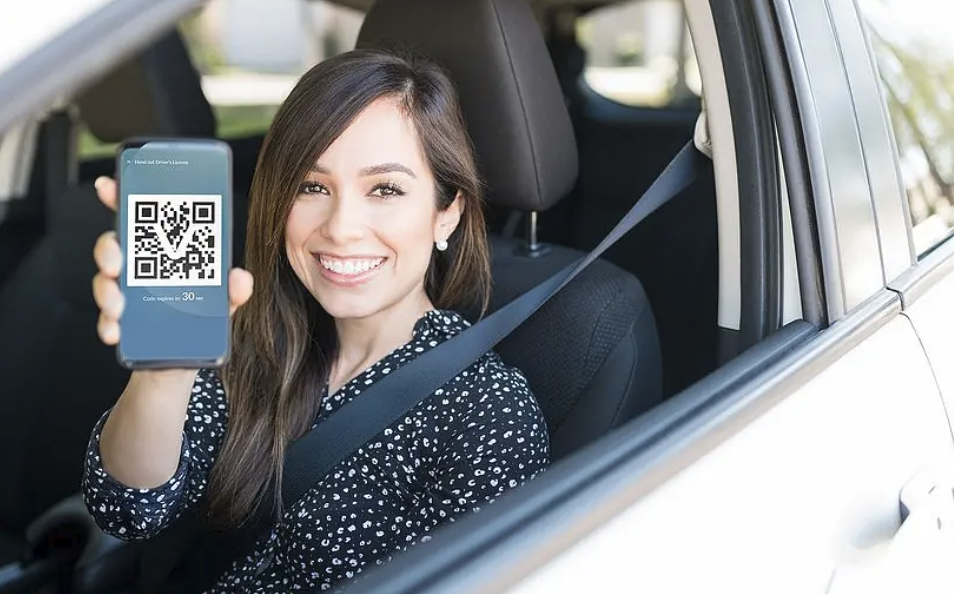
Reaching for a smartphone instead of a wallet to prove age at a liquor store or identity at an airport security checkpoint sounds like a small convenience, but it represents a real shift in how governments issue and verify identification. Mobile driver’s licenses, often shortened to mDLs, have moved from pilot programs in a handful of states to functioning credentials accepted at select TSA checkpoints, some retail locations, and a growing list of apps that require age or identity verification.
States including Arizona, Colorado, Maryland, and California have each rolled out their own versions through partnerships with Apple, Google, or dedicated state-built apps, while federal agencies work through the technical and legal questions that come with treating a phone as an acceptable substitute for a physical card.
For decades, a driver’s license has functioned as the default form of identification for an enormous range of everyday tasks, from boarding a flight to buying a beer to picking up a prescription, all without much change to the format of a laminated plastic card. The push toward a digital version is not simply a cosmetic update; it touches questions of cryptography, interstate cooperation between motor vehicle agencies, and how much information a business or officer should be able to see during a routine identity check.
Seeing how this technology works in practice, and where it currently falls short, helps explain why adoption has been gradual rather than immediate despite the clear convenience a phone-based credential offers.
What a Mobile Driver’s License Really Is
A mobile driver’s license is not simply a photo of a physical card stored in a phone’s camera roll, which would offer no more security than carrying the card itself. Instead, an mDL is a cryptographically signed digital credential stored in a secure part of a smartphone, designed so that a verifier can confirm the credential’s authenticity and its connection to the state that issued it without contacting the state directly during the verification process.
This distinction matters because it allows an mDL to work even in situations with no internet connection, such as scanning at an airport security checkpoint, while still preventing the kind of screenshot forgery that would undermine a simple digital photo of an ID card.
Apple’s implementation, integrated into the Wallet app on iPhone, and Google’s version for Android phones both rely on this same underlying standard, developed through the International Organization for Standardization as ISO 18013-5, which defines how a mobile credential should be structured, encrypted, and verified.
This shared technical standard means that, in theory, an mDL issued by one state’s motor vehicle department should be readable by a verification terminal built to the same specification anywhere else, though real-world adoption has moved more slowly than the technical standard itself, with many businesses and government agencies still building out the infrastructure needed to read these credentials.
- Cryptographic signing: The credential is digitally signed by the issuing state, allowing a verifier to confirm its authenticity without contacting the state in real time.
- Selective disclosure: Some mDL implementations let a user share only the specific information needed, such as proof of being over twenty-one, without revealing a full birthdate or address.
- Offline verification: The credential can be checked at a checkpoint without an active internet connection, useful in settings like airport security lines.
- Shared technical standard: ISO 18013-5 provides a common format intended to let mDLs from different states work with the same verification hardware.
States Leading the Rollout
Arizona was among the earliest states to launch a functioning mobile driver’s license program, integrating directly with Apple’s Wallet app and enabling residents to use their phone at select TSA checkpoints well before most other states had a comparable option available. Colorado built its own dedicated app rather than relying exclusively on Apple or Google’s wallet platforms, giving residents a state-branded option alongside later integration with the larger tech company ecosystems.
Maryland, Georgia, and Ohio have each pursued their own combination of state apps and tech company partnerships, reflecting a lack of federal coordination that has left each state largely responsible for choosing its own implementation path.
California’s rollout, covering one of the largest populations of any state pursuing a mobile driver’s license program, has drawn close attention given the scale involved and the state’s existing DMV modernization efforts that predate the mobile credential push. The uneven pace of adoption across states means a resident’s ability to use a phone instead of a physical card depends heavily on which state issued their license, and traveling across state lines can mean a mobile credential functions differently, or not at all, depending on local infrastructure and reciprocal recognition agreements between states.
- Arizona’s early launch: One of the first states to enable phone-based ID acceptance at TSA checkpoints through direct Apple Wallet integration.
- Colorado’s dedicated app: Built its own state-branded mobile ID app before later adding compatibility with major tech company wallet platforms.
- Multi-state variation: Each state has pursued its own technical path, creating inconsistency in how mobile IDs function when a resident travels elsewhere.
- Reciprocal recognition gaps: A mobile ID accepted in one state is not automatically guaranteed to be recognized by businesses or agencies in another.
Where Digital IDs Are Currently Accepted
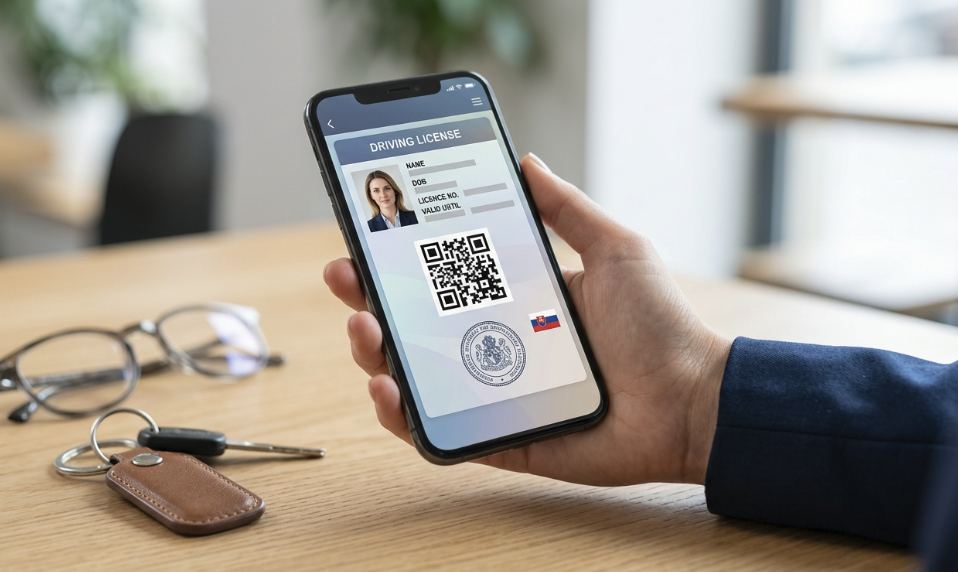
TSA checkpoints represent the most visible and consistent use case for mobile driver’s licenses so far, with participating airports allowing travelers from supported states to tap their phone at a special reader rather than handing over a physical card. Beyond air travel, acceptance has grown more slowly, with a scattered mix of retailers, bars, and age-restricted businesses adopting the technology at their own pace rather than through any coordinated national rollout.
Some states have extended mobile ID acceptance to specific government interactions, such as certain DMV services or unemployment benefit verification, where the state itself controls both ends of the transaction and does not need to convince a third-party business to adopt new verification hardware.
The slower pace of retail and private-sector adoption reflects a chicken-and-egg problem common to new identification technology: businesses have limited incentive to invest in mDL-reading hardware until enough customers carry a mobile credential, while states have limited incentive to aggressively push residents toward mobile IDs until enough businesses can accept them.
Age verification for online alcohol and tobacco sales has emerged as one promising use case outside of travel, since an mDL’s selective disclosure feature lets a website confirm a shopper is over the legal age without collecting or storing a full copy of the person’s driver’s license information.
- TSA checkpoint scanning: The most consistent and widely available use case, letting travelers from participating states tap a phone at a dedicated reader.
- Government service verification: Some states accept mobile IDs for specific DMV transactions or benefit applications handled entirely within a state agency.
- Age-restricted retail pilots: A small but growing number of bars, liquor stores, and cannabis dispensaries have begun testing mobile ID acceptance.
- Online age verification: Selective disclosure allows a website to confirm legal age for alcohol or tobacco purchases without collecting full identity details.
Banking and financial services represent another area where mobile driver’s licenses could eventually play a role, since opening a new account or verifying identity for a large transaction currently requires either an in-person visit or uploading a photo of a physical ID that a bank’s system must then verify manually or through a third-party service. A handful of financial institutions have begun exploring mDL integration for remote account opening, though widespread adoption in this sector remains further behind than the travel and retail use cases already in limited operation.
Privacy and Security Concerns
Privacy advocates have raised a range of concerns about mobile driver’s licenses, starting with questions about what data gets logged each time a credential is verified and whether that verification history could be used to track a person’s movements or activities over time. The selective disclosure feature built into most mDL implementations is specifically designed to address one version of this concern, letting a bar verify only that a customer is over twenty-one without transmitting a full birthdate, home address, or driver’s license number.
Whether every verifier reliably implements selective disclosure correctly, rather than simply requesting a full data dump from the credential, remains an open question that depends on how carefully individual businesses configure their verification systems.
Security researchers have also examined how mobile driver’s licenses handle a lost or stolen phone, generally finding that most implementations require a device passcode or biometric unlock before the credential can be displayed or transmitted, providing a real layer of protection compared with a physical card that offers no such barrier once it leaves a person’s wallet.
Questions remain, however, about what happens during a police stop or other situation where handing over an unlocked phone raises separate concerns about an officer viewing other apps or data on the device beyond the identification credential itself. Several states have addressed this by designing their verification process so that only the credential data appears on a dedicated screen, without requiring the phone to be handed over at all.
- Verification logging concerns: Privacy advocates worry about how long verification records are kept and whether they could reveal a person’s movements over time.
- Selective disclosure implementation: Not every verifier configures their system to request only the minimum necessary information from a credential.
- Device security dependency: Most mDLs require a passcode or biometric unlock, adding protection compared with a physical card but tying identification to phone security.
- Handover concerns during stops: Some states have designed verification flows specifically to avoid requiring a phone to be physically handed to another person.
Federal Standardization Remains a Work in Progress
The Department of Homeland Security has worked through TSA to establish technical requirements for mobile driver’s licenses used at airport checkpoints, providing at least a partial federal framework even without comprehensive national legislation governing digital identification.
Congress has considered various proposals related to digital identity standards, though comprehensive federal legislation specifically addressing mobile driver’s licenses has not yet been enacted, leaving much of the practical framework to state-level decisions and the technical standards developed through international standards bodies rather than federal law.
International comparisons offer a preview of where this technology might head domestically, since several countries have moved further along in digital identity infrastructure, integrating government-issued digital credentials into a wider range of everyday transactions beyond travel and age verification.
Whether the United States follows a similarly centralized path or continues with its current patchwork of state-led initiatives will likely depend on how quickly public trust builds around privacy protections and how much value residents see in an mDL beyond the narrow set of situations where it currently works reliably.
Advocacy groups focused on digital rights have called for baseline federal privacy standards specifically covering mobile identification, arguing that a national framework would prevent a race to the bottom where individual states might adopt weaker data protection rules to attract technology partnerships more quickly.
Other observers counter that state-level experimentation has allowed for useful variation in approach, letting policymakers watch how different privacy safeguards perform in practice before settling on a single national standard that might lock in design choices too early.
Motor vehicle agencies themselves have also had to adjust internal processes to support mobile credentials, since issuing a digital license requires new systems for identity verification, credential renewal, and revocation if a license is suspended or a phone is reported lost.
Staff training at DMV offices has expanded to cover these new digital workflows alongside the traditional process of issuing a physical card, adding a layer of complexity to an agency function that had changed relatively little for many years before mobile credentials entered the picture.
- TSA technical framework: The Department of Homeland Security has established requirements for mobile IDs used at airport checkpoints, offering partial federal guidance.
- No comprehensive federal law: Congress has not passed dedicated legislation covering mobile driver’s licenses, leaving most decisions to individual states.
- International standards influence: The ISO 18013-5 standard, developed through an international body, shapes technical implementation more than any single national law.
- State-by-state variation persists: Without federal mandates, states continue to choose their own technology partners and rollout timelines independently.
Federal agencies beyond TSA and Homeland Security have also begun examining how mobile credentials might fit into broader government identity verification efforts, including proposals to streamline how people access federal benefits or verify identity for tax purposes.
These conversations remain in early stages, and any broader federal framework would likely need to address interoperability between states, privacy protections, and accessibility for residents who do not own a smartphone capable of running the required wallet apps, a nontrivial population that any national digital ID strategy will eventually need to account for.
Final Thoughts
Mobile driver’s licenses represent a real step toward digitizing a piece of daily life that has remained largely unchanged for decades, but the rollout remains uneven and dependent on where a resident lives and which businesses have invested in the necessary verification technology.
The underlying cryptographic approach offers real security advantages over a simple digital photo of an ID, and privacy features like selective disclosure address some of the more legitimate concerns raised by advocates.
For now, a physical card remains a necessary backup even for residents of states with an active mobile ID program, and broader adoption will likely depend on continued investment from both state governments and the businesses that need to accept these credentials reliably.
Frequently Asked Questions
1. Is a mobile driver’s license as secure as a physical card?
In many respects it can be more secure, since a properly implemented mDL requires phone authentication to access and uses cryptographic signing that is far harder to forge than a physical card, though security depends heavily on correct implementation by both the state and the verifier.
2. Do I still need to carry my physical driver’s license if I have a mobile ID?
Yes, most states currently recommend carrying a physical license alongside a mobile credential, since acceptance of mobile IDs remains inconsistent across businesses, states, and situations where a physical card may still be required.
3. Can police officers access other apps on my phone when checking a mobile ID?
Most mobile driver’s license implementations are designed to display only the credential information on a dedicated screen without requiring a phone to be unlocked and handed over in full, though practices can vary by jurisdiction and officer training.
4. Which states currently offer a mobile driver’s license?
Arizona, Colorado, Maryland, Georgia, Ohio, and California are among the states that have launched mobile driver’s license programs, with additional states continuing to roll out their own versions.
5. Can a mobile driver’s license be used to board a domestic flight?
Yes, at select TSA checkpoints in supported airports, travelers from participating states can use their mobile driver’s license instead of a physical card, though not every airport or airline counter currently supports this option, so it remains worth checking carefully ahead of any planned trip.
6. What happens if my phone is lost or the battery dies while I need to show ID?
Because mobile ID acceptance is not yet universal, most guidance recommends keeping a physical card as a backup, since a dead battery or lost phone would otherwise leave a person without an accepted form of identification, and some verification systems will simply reject a request if the phone cannot connect or unlock in time.