

Dark Academia is more than a fashion trend. It is an internet-born aesthetic centered around learning, literature, art, history, architecture, and the atmosphere of traditional academic life.
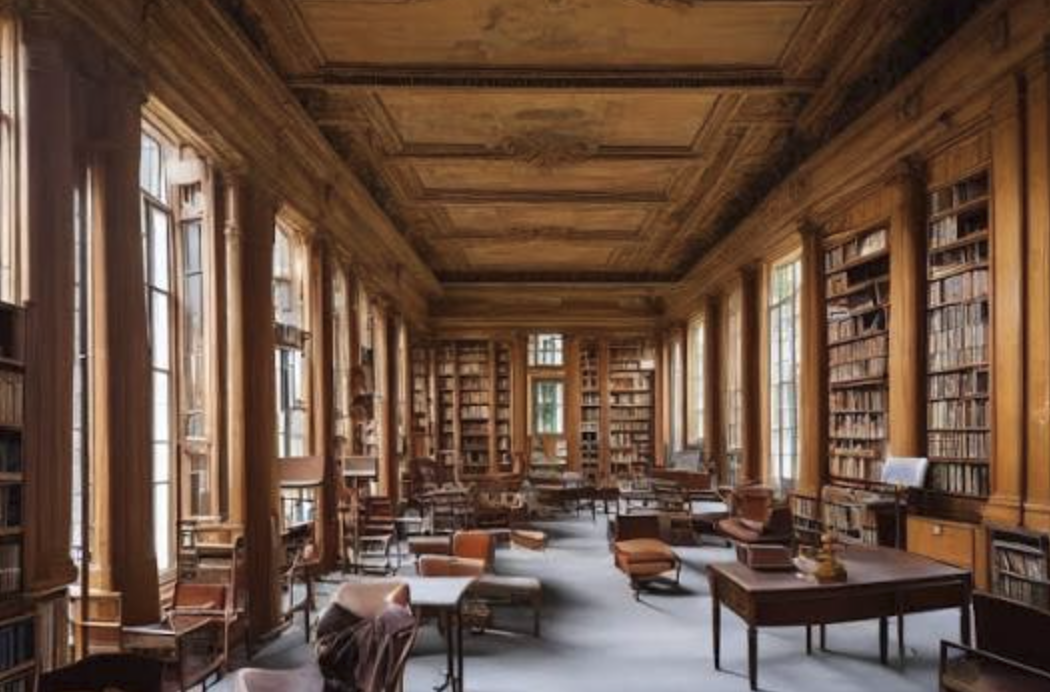
Think of old libraries filled with books, handwritten notes on worn desks, classical paintings, university buildings, rainy afternoons, vintage clothing, and shelves packed with literature. These images capture much of the visual identity associated with Dark Academia.
The aesthetic has become popular across social media, influencing everything from clothing and interior design to photography, music, reading habits, and personal style.
But Dark Academia isn’t simply about dressing in brown clothes or carrying an old book. It represents a particular mood and an appreciation for knowledge, creativity, mystery, and traditional academic settings.
So, what exactly is Dark Academia, where did it come from, and how can you recognize its defining characteristics? Let’s explore the aesthetic in detail.
What Is Dark Academia?
Dark Academia is an aesthetic and subculture inspired by education, literature, classical art, philosophy, history, and older academic environments.
The word “dark” refers less to anything frightening and more to the aesthetic’s moody atmosphere. Deep colors, dramatic architecture, vintage objects, rainy weather, candlelit rooms, and serious literary themes are commonly associated with the style.
At its heart, Dark Academia celebrates intellectual curiosity.
It often romanticizes activities such as:
- Reading classic literature
- Studying history
- Writing in notebooks
- Visiting museums
- Learning languages
- Studying philosophy
- Appreciating classical art
- Listening to classical or atmospheric music
- Exploring historic architecture
You don’t need to attend an elite university or own an enormous library to participate in the aesthetic. Much of Dark Academia is about creating an atmosphere around learning and creativity rather than belonging to a particular institution.
Where Did Dark Academia Come From?
Dark Academia developed primarily through online communities and social media, where users began sharing images inspired by traditional academic environments.
Although the aesthetic became especially visible on platforms such as Tumblr, Pinterest, Instagram, and TikTok, its influences are much older.
Classic literature, European architecture, Gothic buildings, university traditions, old libraries, and historical fashion all contributed to the visual language that eventually became associated with Dark Academia.
Films and books also played an important role in shaping the aesthetic. Stories involving prestigious schools, intellectual characters, secret societies, friendship, ambition, and classical education frequently appear in Dark Academia discussions.
Donna Tartt’s novel The Secret History is often associated with the aesthetic because of its setting, academic atmosphere, classical references, and themes of intellectual obsession and university life.
The aesthetic therefore combines older cultural influences with modern internet culture.
The Main Ideas Behind Dark Academia
Although Dark Academia is often presented visually, its appeal goes beyond appearance.
Love of Learning
Curiosity is one of its strongest themes. You might find yourself reading about philosophy, exploring history, learning about art, or studying a subject simply because it interests you.
Appreciation for Literature
Books play a central role in Dark Academia. Classic novels, poetry, mythology, philosophy, and literary criticism are commonly associated with the aesthetic.
Connection to History
Historic buildings, ancient civilizations, traditional art, and old academic institutions provide much of the aesthetic’s visual inspiration.
Creative Expression
Writing, painting, photography, music, and other creative activities fit naturally into the Dark Academia world.
Romanticizing Everyday Learning
One of the most recognizable ideas is turning ordinary study into an atmospheric experience. A notebook, a cup of tea, a quiet desk, and an interesting book can become part of a carefully created environment.
Dark Academia Color Palette
Color is one of the easiest ways to recognize the aesthetic.
Dark Academia typically uses muted, earthy, and deep shades rather than bright colors.
Common colors include:
- Dark brown
- Chocolate brown
- Black
- Cream
- Beige
- Forest green
- Burgundy
- Charcoal gray
- Navy
- Dark olive
- Warm tan
These colors help create the traditional, vintage, and slightly dramatic atmosphere associated with the aesthetic.
There’s no need to incorporate all colors simultaneously; choose what feels right. Even adding a few darker neutral shades to your wardrobe or room can create a similar feeling.
What Does Dark Academia Fashion Look Like?
Dark Academia fashion takes inspiration from traditional school uniforms, vintage clothing, classic menswear, and European academic settings.
Common pieces include:
- Blazers
- Button-down shirts
- Sweaters
- Cardigans
- Trousers
- Pleated skirts
- Turtlenecks
- Wool coats
- Loafers
- Oxford-style shoes
- Scarves
- Leather-style bags
Layering is especially common. For example, you might combine a shirt with a sweater, blazer, trousers, and a long coat.
Patterns such as plaid, herringbone, and subtle stripes also fit the aesthetic.
The goal isn’t necessarily to look historically accurate. Modern Dark Academia outfits usually reinterpret vintage academic clothing in a way that works with contemporary fashion.
Dark Academia and Books
Literature is arguably one of the most important parts of Dark Academia.
Books associated with the aesthetic often involve themes such as:
- Knowledge
- Friendship
- Ambition
- Morality
- Identity
- Mystery
- Philosophy
- Classical culture
- Academic life
Dark Academia as an aesthetic finds its inspiration in a mix of timeless literary masterpieces and contemporary stories, all set against the backdrop of academic environments and intellectual pursuits.
Some frequently discussed examples include:
- The Secret History by Donna Tartt
- If We Were Villains by M. L. Rio
- Dead Poets Society by N. H. Kleinbaum
- Frankenstein by Mary Shelley
- The Picture of Dorian Gray by Oscar Wilde
- Works by Shakespeare
- Greek and Roman mythology
However, you don’t need to read only classic or serious books to enjoy the aesthetic.
The important idea is developing curiosity and enjoying literature rather than creating a reading list simply for appearances.
Dark Academia Interior Design
The aesthetic can also influence the way you decorate your room or workspace.
Dark Academia interiors often combine vintage-looking furniture, books, warm lighting, artwork, and natural materials.
You might see:
- Wooden desks
- Bookshelves
- Antique-style frames
- Classical artwork
- Vintage lamps
- Leather-style furniture
- Brass or bronze details
- Candles used as decorative elements
- Maps
- Globes
- Old-looking notebooks
- Dark curtains
- Plants
- Stacked books
Warm lighting is particularly useful for creating the mood.
You don’t need expensive antiques to achieve the look. A wooden desk, secondhand books, framed artwork, and warm-toned accessories can create a similar atmosphere without completely redesigning your space.
Dark Academia vs. Light Academia
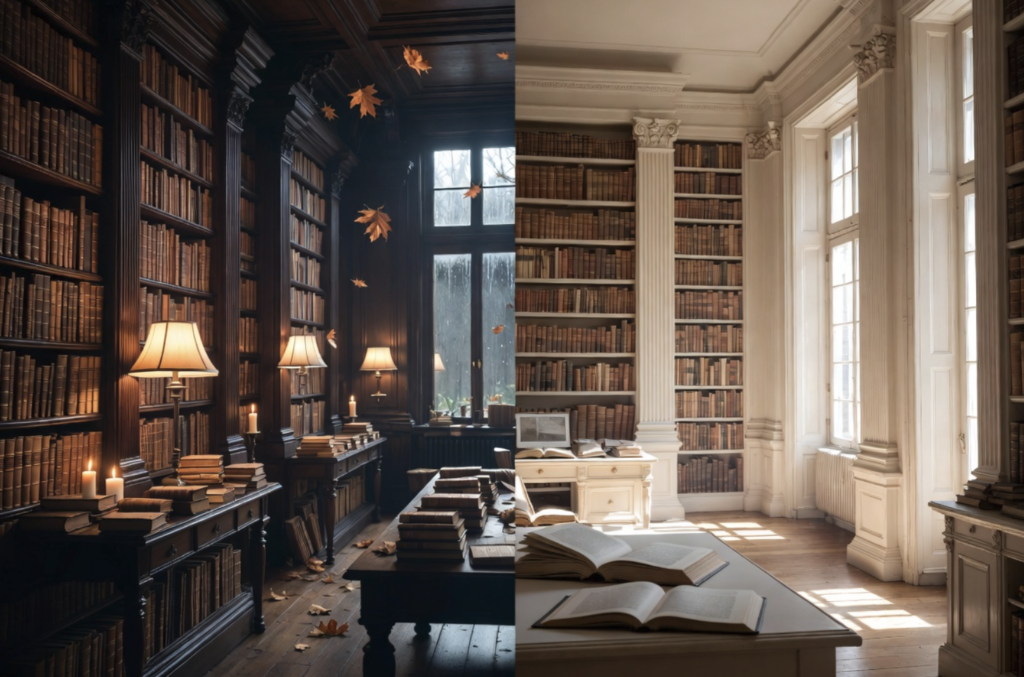
Dark Academia has a closely related counterpart called Light Academia.
Both aesthetics focus on learning, literature, art, creativity, and academic environments. The biggest difference is the visual mood.
Dark Academia
Dark Academia typically emphasizes:
- Deep colors
- Moody lighting
- Historic architecture
- Mystery
- Classical literature
- Vintage clothing
- Dramatic imagery
Light Academia
Light Academia generally emphasizes:
- Cream and beige tones
- Natural light
- Soft colors
- Minimal interiors
- Classical art
- Romantic literature
- Bright academic environments
You don’t have to choose one exclusively. Many people combine elements of both depending on their mood and personal taste.
Is Dark Academia Only About Appearance?
No. This is one of the most important things to understand about the aesthetic.
It is easy to reduce Dark Academia to clothing, photography, and room decoration because those are the parts most visible on social media.
However, the deeper appeal is often connected to intellectual curiosity and creative activities.
You can enjoy Dark Academia without buying a new wardrobe or redesigning your bedroom.
For example, you could:
- Read a classic novel
- Visit a museum
- Learn about art history
- Keep a study journal
- Explore historic architecture
- Write poetry
- Study a language
- Listen to classical music
- Learn about philosophy
The aesthetic can simply provide inspiration for making learning and creativity more enjoyable.
Why Has Dark Academia Become So Popular?
Several factors have contributed to the aesthetic’s popularity.
Social Media
Platforms such as Pinterest, Instagram, Tumblr, and TikTok made it easy for people to share photographs, outfits, rooms, books, and study spaces connected to the aesthetic.
Nostalgia
Dark Academia often creates a sense of nostalgia for an idealized version of older academic life.
Even people who never experienced that environment can enjoy its visual atmosphere.
Escapism
The aesthetic offers an escape from highly digital modern life. Books, handwritten notes, historic buildings, and quiet study spaces can feel refreshingly different from constant notifications and fast-moving online content.
Individual Expression
Dark Academia can be adapted to different personalities. Someone might express it through fashion, while another person might focus entirely on books, photography, architecture, or interior design.
Common Misconceptions About Dark Academia
Dark Academia is sometimes misunderstood because social media tends to emphasize its visual side.
You Don’t Need to Be an Academic
You don’t have to study at a university or be interested in advanced subjects.
Curiosity is enough.
You Don’t Need Expensive Clothing
Secondhand stores, existing wardrobe pieces, and simple neutral clothing can create an academic-inspired look.
You Don’t Need a Huge Library
A few books that genuinely interest you are more meaningful than buying books purely as decorations.
It Doesn’t Have to Be Perfect
Social media images often show carefully arranged rooms and outfits. Real life is naturally less polished.
Let the Dark Academia style motivate your creativity, rather than make you feel obligated to conform to a strict look.
How to Try the Dark Academia Aesthetic
If you’re interested in exploring the trend, start small.
You could begin by changing your reading routine. Choose a classic novel, visit a library, or spend some time reading without distractions.
For fashion, try combining neutral colors with classic pieces you already own.
For your room, introduce a wooden accessory, framed artwork, books, or warmer lighting.
For photography, look for subjects such as old buildings, libraries, museums, books, rainy streets, and architectural details.
Most importantly, make the aesthetic your own.
You don’t have to copy photographs from social media exactly. The most interesting personal styles usually combine different influences.
Is Dark Academia Still Popular?
Dark Academia has remained recognizable because it isn’t limited to one product or platform.
Its themes connect with broader interests in reading, vintage fashion, historic architecture, traditional art, learning, and offline hobbies.
Even as specific social media trends change, the underlying ideas can continue to appeal to people who enjoy creating a slower, more thoughtful atmosphere around everyday activities.
That makes Dark Academia more flexible than a short-lived fashion trend. You can adapt its elements without following every trend associated with the online aesthetic.
Final Thoughts
So, what is Dark Academia?
It is an aesthetic and online cultural trend inspired by literature, education, history, classical art, architecture, fashion, and intellectual curiosity. Its visual identity often combines dark colors, vintage clothing, old books, historic spaces, and atmospheric photography.
But its appeal goes beyond the visuals.
At its best, Dark Academia encourages you to become curious, read more, explore creative interests, appreciate history, and find enjoyment in learning.
You don’t need to transform your entire lifestyle to experience it. Start with something simple, such as reading a book, visiting a museum, writing in a notebook, or exploring the history behind a building in your area.
The aesthetic may begin with the way something looks, but its most lasting appeal comes from the ideas and activities behind the image.
Frequently Asked Questions
1. What does Dark Academia mean?
The Dark Academia vibe revolves around a love for books, learning, history, classical art, architecture, fashion, and a deep sense of intellectual exploration. It is known for its moody visual style and vintage academic influences.
2. What is the Dark Academia aesthetic?
The Dark Academia aesthetic commonly features deep earthy colors, vintage-inspired clothing, books, historic architecture, classical artwork, warm lighting, and academic themes.
3. What do people wear for Dark Academia?
Typical Dark Academia-inspired clothing includes blazers, sweaters, button-down shirts, trousers, pleated skirts, turtlenecks, long coats, loafers, scarves, and other classic or vintage-inspired pieces.
4. What books are associated with Dark Academia?
Books frequently associated with the aesthetic include The Secret History, If We Were Villains, Frankenstein, The Picture of Dorian Gray, Shakespeare’s works, and various works of classical literature and mythology.
5. Is Dark Academia still popular?
Yes. Dark Academia continues to influence fashion, interior design, photography, reading communities, and social media. Its themes also make it easy to adapt to changing trends.
6. How can you start a Dark Academia lifestyle?
You can start by exploring literature, history, art, museums, classical music, creative writing, and vintage-inspired fashion. You can also introduce darker neutral colors, books, artwork, and warm lighting into your environment.