

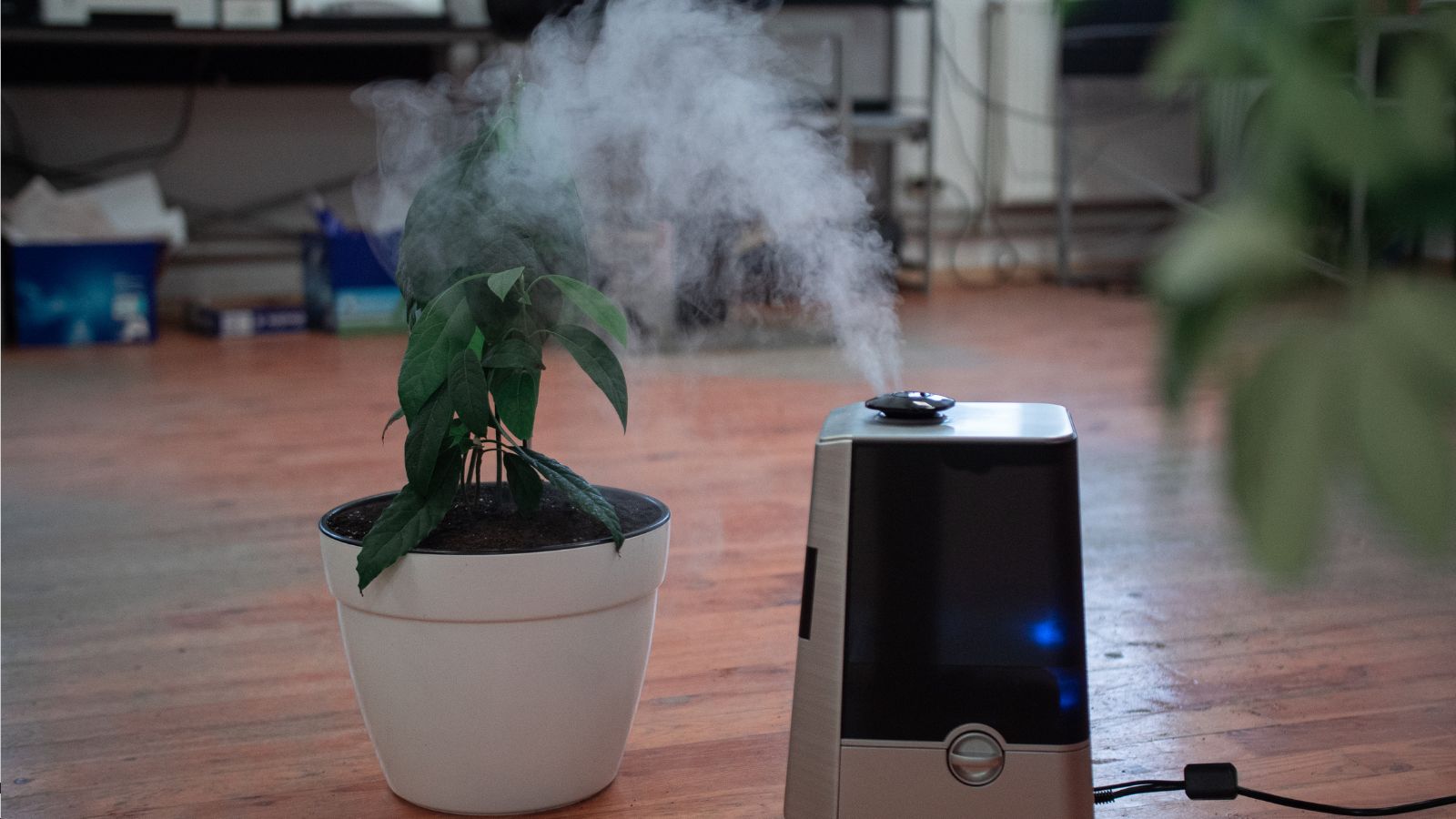
Indoor air quality plays a vital role in maintaining a healthy and comfortable living environment. Dust, pollen, pet dander, mold spores, and other airborne particles can negatively impact health, especially for individuals with allergies or respiratory conditions. One of the most effective solutions for improving indoor air quality is the use of HEPA air purifiers.
HEPA, which stands for High-Efficiency Particulate Air, is a type of pleated mechanical air filter commonly found in portable air cleaners, also known as air purifiers. These filters are designed to capture microscopic airborne particles, helping create cleaner and healthier indoor spaces.
What Is a HEPA Air Purifier?
A HEPA air purifier is a device that uses a HEPA filter to remove airborne contaminants from the air. As air passes through the purifier, the pleated filter traps particles such as dust, pollen, smoke, pet dander, and other pollutants. The purified air is then circulated back into the room, significantly improving indoor air quality.
Unlike ordinary air filters, HEPA filters are engineered to capture extremely small particles with remarkable efficiency, making them one of the most trusted filtration technologies available today.
How HEPA Filters Work
HEPA filters consist of a dense network of fine fibers arranged in a pleated design. As air flows through the filter, particles are captured through three primary mechanisms:
Interception
Medium-sized particles following the airflow come into contact with the filter fibers and become trapped.
Impaction
Larger particles cannot easily follow the changing airflow around the fibers, causing them to collide with the filter and remain captured.
Diffusion
Very small particles move randomly due to Brownian motion, increasing their chances of striking the filter fibers and being retained.
These combined filtration methods allow HEPA filters to remove a broad range of airborne contaminants efficiently.
Benefits of HEPA Air Purifiers
HEPA air purifiers provide numerous advantages for homes, offices, healthcare facilities, and commercial spaces.
Improved Air Quality
By continuously removing airborne particles, HEPA purifiers help maintain cleaner indoor air and reduce the accumulation of dust and allergens.
Allergy Relief
People who suffer from seasonal allergies or sensitivities to dust, pollen, or pet dander often experience improved comfort when HEPA filtration reduces airborne allergens.
Better Respiratory Health
Cleaner air can benefit individuals with asthma or other respiratory conditions by reducing exposure to irritants that may trigger symptoms.
Odor Reduction
Many HEPA air purifiers also include activated carbon filters that help reduce household odors, smoke, and volatile organic compounds (VOCs), creating a fresher indoor environment.
Cleaner Living Spaces
By capturing dust before it settles on furniture and floors, HEPA air purifiers help reduce household dust buildup and simplify routine cleaning.
Common Applications
HEPA air purifiers are widely used in various environments, including:
- Homes and apartments
- Offices and workplaces
- Hospitals and healthcare facilities
- Schools and educational institutions
- Laboratories and clean rooms
- Hotels and hospitality venues
Their versatility makes them suitable for virtually any indoor space where cleaner air is desired.
Choosing the Right HEPA Air Purifier
When selecting a HEPA air purifier, consider the following factors:
- Room Size: Choose a purifier designed for the square footage of the space.
- Clean Air Delivery Rate (CADR): A higher CADR indicates faster and more effective air cleaning.
- Noise Level: Consider quieter models for bedrooms, offices, or study areas.
- Filter Replacement: Check how often filters need replacement and their ongoing cost.
- Additional Features: Smart controls, air quality sensors, timers, and multiple fan speeds can improve convenience and performance.
Maintenance Tips
To keep a HEPA air purifier operating efficiently:
- Replace HEPA filters according to the manufacturer’s recommendations.
- Clean or replace pre-filters regularly.
- Keep air intake and outlet vents unobstructed.
- Operate the purifier consistently for the best air quality results.
- Place the unit where airflow is not blocked by walls or furniture.
Proper maintenance ensures optimal filtration performance and extends the life of the device.
Conclusion
HEPA air purifiers have become a trusted solution for improving indoor air quality by capturing dust, allergens, and other airborne particles that affect health and comfort. Using a pleated mechanical air filter, these portable air cleaners provide highly efficient filtration that helps create cleaner, healthier indoor environments.