

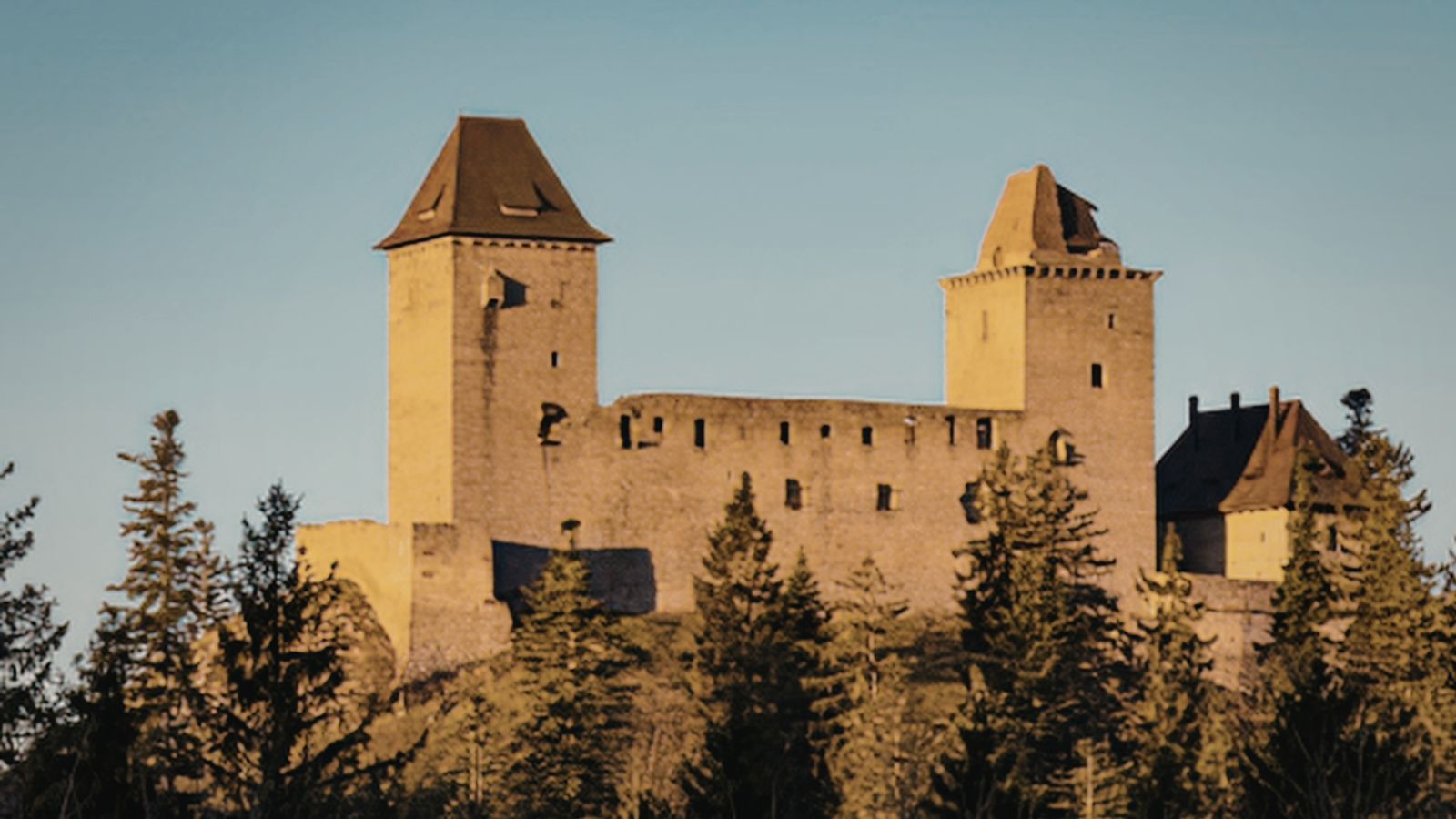
Nestled in the serene countryside near Loka pri Mengšu, just a short distance from Ljubljana, stands the historic and elegant Jablje Castle. Known in Slovene as Grad Jablje (or Grad Jable) and historically referred to by its German name Habach, this 16th-century castle is a remarkable symbol of Slovenia’s architectural, cultural, and historical legacy. With its refined Renaissance design, tranquil surroundings, and enduring significance, Jablje Castle continues to captivate visitors and historians alike.
Historical Origins and Development
The origins of Jablje Castle date back to the 1500s, a period marked by the spread of Renaissance architecture across Europe. During this time, Slovenia—then part of the Habsburg domains—experienced a wave of cultural and architectural transformation. Jablje Castle emerged as part of this movement, reflecting the influence of Italian Renaissance design while incorporating local building traditions.
The castle was initially constructed as a noble residence, serving both defensive and residential purposes. Its strategic location near important trade routes made it a valuable property, while its elegant design reflected the status and wealth of its owners. Over the centuries, Jablje Castle passed through the hands of various aristocratic families, each contributing to its development and preservation.
Architectural Elegance
One of the most striking features of Jablje Castle is its architectural style. Unlike medieval fortresses that emphasized heavy fortification, Jablje Castle showcases the balance and symmetry characteristic of Renaissance design. Its structure is defined by clean lines, proportionate layouts, and a harmonious relationship between form and function.
The castle typically features a rectangular layout with a central courtyard, a common design in Renaissance estates. Large windows allow natural light to fill the interior spaces, creating an atmosphere of openness and refinement. Decorative elements, though understated, add to the building’s elegance without overwhelming its simplicity.
Surrounding the castle is a landscaped park that enhances its visual appeal. The greenery not only provides a picturesque setting but also reflects the Renaissance ideal of integrating architecture with nature. Walking through the grounds, visitors can experience a sense of calm and timeless beauty that has remained unchanged for centuries.
Cultural and Historical Significance
Jablje Castle holds an important place in Slovenia’s cultural heritage. It is more than just an architectural landmark—it is a testament to the region’s history and evolution. From its origins as a noble residence to its modern role as a cultural and institutional venue, the castle has adapted to changing times while preserving its identity.
During different historical periods, the castle served various functions. It was a residence for nobility, a site of administrative activity, and at times a center for intellectual and cultural exchange. Its walls have witnessed significant social and political changes, making it a silent observer of history.
Today, Jablje Castle is often used for official events, conferences, and cultural programs. Its well-preserved interiors and dignified atmosphere make it an ideal setting for gatherings that celebrate heritage and innovation.
Restoration and Preservation
Like many historic structures, Jablje Castle has undergone restoration efforts to maintain its condition and relevance. Preservation work has focused on retaining the original architectural features while ensuring that the building meets modern standards.
These restoration projects are essential for protecting the castle from the effects of time and environmental factors. By carefully balancing conservation with modernization, Slovenia has ensured that Jablje Castle remains both functional and historically authentic.
The commitment to preserving such landmarks reflects a broader appreciation for cultural heritage. It highlights the importance of safeguarding historical sites for future generations, allowing them to connect with the past in meaningful ways.
The Surrounding Landscape
The location of Jablje Castle adds to its charm and significance. Situated near Loka pri Mengšu, the castle is surrounded by rolling hills, open fields, and lush greenery. This tranquil environment provides a stark contrast to the hustle and bustle of urban life, making it a perfect retreat for those seeking peace and inspiration.
The proximity to Ljubljana also makes the castle easily accessible to visitors. This accessibility has contributed to its popularity as a destination for both locals and tourists.
The surrounding landscape is not only visually appealing but also historically relevant. In the past, the land around the castle would have been used for agriculture and resource management, supporting the needs of its inhabitants. Today, it serves as a reminder of the castle’s connection to the natural world.
Jablje Castle in Modern Times
In contemporary Slovenia, Jablje Castle continues to play an active role in society. It has been repurposed as a venue for academic, cultural, and governmental activities. This modern use ensures that the castle remains a living part of the community rather than a static relic of the past.
Events held at the castle often bring together scholars, artists, and professionals from various fields. This aligns with the Renaissance spirit of intellectual exchange and creativity, giving the castle a renewed sense of purpose.
Additionally, the castle occasionally opens its doors to the public, allowing visitors to explore its interiors and learn about its history. Guided tours and exhibitions provide insights into the architectural features and historical context of the site.
Tourism and Visitor Experience
For travelers exploring Slovenia, Jablje Castle offers a unique experience that combines history, architecture, and natural beauty. Unlike larger, more crowded tourist attractions, it provides a quieter and more intimate setting.
Visitors can enjoy leisurely walks around the grounds, admire the architectural details, and immerse themselves in the peaceful atmosphere. The castle’s understated elegance makes it a perfect destination for those who appreciate subtle beauty and historical depth.
Photography enthusiasts, in particular, find Jablje Castle appealing. Its scenic surroundings and classic design create opportunities for capturing stunning images that reflect both nature and heritage.
The Legacy of Jablje Castle
The enduring legacy of Jablje Castle lies in its ability to bridge the past and the present. It stands as a reminder of Slovenia’s rich history while continuing to serve contemporary needs. This dual role is a testament to the resilience and adaptability of cultural landmarks.
As Slovenia continues to develop and modernize, sites like Jablje Castle play a crucial role in preserving national identity. They provide a tangible connection to history, allowing people to understand and appreciate their cultural roots.
Conclusion
Jablje Castle is more than just a historic building—it is a symbol of elegance, heritage, and continuity. From its Renaissance origins to its modern-day functions, the castle embodies the spirit of a nation that values its past while embracing the future.